
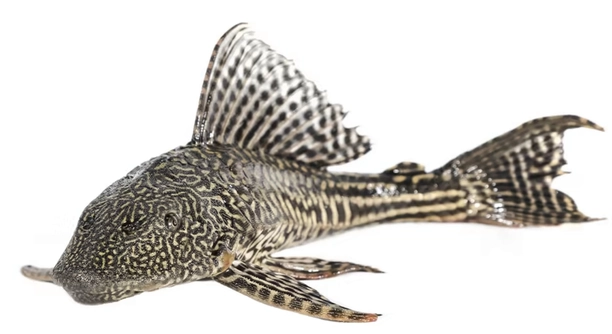
Plecostomus are popular aquarium fish known for their ability to clean tank surfaces, but they need proper rest for optimal health. Understanding the factors that disrupt their sleep is essential for keeping them happy and active.
The main factors that disrupt plecostomus rest include improper water conditions, excessive light, noisy environments, irregular tank temperatures, poor tank mates, frequent disturbances, and insufficient hiding spots. Each of these issues can prevent them from resting properly, affecting their well-being.
Addressing these common disruptions can greatly improve your plecostomus’ rest and health. Learn how simple adjustments in their environment can help them feel secure and comfortable for restful nights.
1. Poor Water Quality
Water quality plays a vital role in the health and rest of your plecostomus. If the water is too dirty or polluted, it can make them restless and stressed. Plecostomus need clean, well-maintained water to thrive. Ammonia and nitrite buildup in the tank can irritate them, leading to sleepless nights. It’s important to regularly check the water parameters like pH, ammonia, nitrites, and nitrates. Keeping these levels in balance ensures a calm and comfortable environment for your plecostomus to rest. If the water gets too murky or unsafe, they’ll struggle to get the deep rest they need.
A water change schedule is essential to keeping the tank clean. Maintaining the right filtration system and removing debris also helps keep the water clear. Proper water quality is a simple yet effective way to prevent sleep disturbances for your plecostomus.
Plecostomus are very sensitive to poor water conditions. Without a clean, stable tank, they can become stressed and unable to rest properly. Regularly testing the water quality and maintaining the tank will keep your plecostomus healthy and active. A healthy environment promotes a well-rested fish.
2. Excessive Light Exposure
Light exposure can be a major factor in disturbing your plecostomus’ sleep. These fish are nocturnal and tend to rest during the day, coming out at night to feed and clean. Bright lights or too much light during the day can prevent them from finding peace.
Plecostomus require a more natural light cycle to feel comfortable. Keeping the lights dim or using a timer for your aquarium lights can help them maintain a natural routine. Constant bright lights can stress them out and impact their ability to rest effectively.
Creating a peaceful environment with dim lighting will encourage your plecostomus to follow their natural rest cycle. If you find that your plecostomus seem active during the day or less settled, adjusting the lighting in their tank may help. By limiting exposure to harsh light, you give them a better chance to sleep and stay healthy.
3. Noisy Environment
Plecostomus can easily be disturbed by loud noises. Being a sensitive species, they find constant noise unsettling, especially when they are trying to rest. Tanks placed in high-traffic areas or near noisy appliances like filters or pumps can lead to stress. A quiet environment is key.
To ensure your plecostomus gets proper rest, place the tank in a peaceful area away from loud sounds. The less noise they’re exposed to, the more relaxed they’ll be. You should also avoid tapping on the glass or making sudden movements that can startle them. Keeping their environment calm helps them sleep.
If your plecostomus is exposed to regular noise disruptions, they may become stressed and restless. Creating a quieter space in your home will help your plecostomus feel safer. The more peaceful the surroundings, the better your plecostomus can rest, ultimately improving its health and well-being.
4. Tank Temperature Fluctuations
Maintaining stable water temperature is crucial for plecostomus rest. If the tank is too hot or too cold, it can disrupt their sleep and cause stress. Plecostomus prefer temperatures between 72°F and 82°F (22°C to 28°C). Sudden temperature changes can be harmful.
Keeping the tank temperature within the preferred range is necessary for plecostomus comfort. If the water gets too cold, they may become sluggish and inactive. On the other hand, too much heat can lead to oxygen depletion, causing them to struggle for proper rest. Make sure your heater is reliable and accurate.
To prevent temperature fluctuations, use a quality aquarium thermometer and adjust the heater as needed. A consistent temperature creates a peaceful and safe environment for your plecostomus. This not only promotes better rest but also supports their overall health and activity levels. Consistency is essential for them to feel secure and rest soundly.
5. Aggressive Tank Mates
Plecostomus are peaceful fish, and tank mates that are too aggressive can make them feel threatened, disrupting their rest. Aggressive fish might chase or nip at plecostomus, causing stress. A peaceful environment is important for them to feel safe and secure while resting.
Choosing tank mates wisely is crucial. Avoid aggressive or territorial fish that might harass your plecostomus. Consider peaceful species like tetras, rasboras, or other calm fish that won’t disturb your plecostomus’ rest. Keeping them with compatible tank mates ensures a harmonious environment where they can relax and sleep properly.
Plecostomus thrive in a stress-free environment with tank mates they can coexist with peacefully. If aggression is present, the plecostomus will struggle to find rest. It’s essential to monitor their interactions and make adjustments if needed. Peaceful companions are key to keeping them relaxed and well-rested.
6. Lack of Hiding Spots
Plecostomus, being shy creatures, need hiding spots to feel secure. Without places to retreat, they may become stressed and unable to rest properly. Adding caves, plants, or driftwood gives them the chance to hide and feel safe when they need rest.
Hiding spots mimic their natural environment and offer comfort, helping them manage stress. When they feel secure, plecostomus are more likely to relax and sleep without disruptions. Without these spots, they may become restless or even more active than usual. Providing a few hideaways improves their overall well-being.
Plecostomus need an environment that allows them to hide whenever they feel threatened or stressed. By adding a few hiding spots in your aquarium, you create a safer, more comfortable space. This can significantly improve their ability to rest and stay relaxed.
FAQ
How do I know if my plecostomus is stressed?
A stressed plecostomus will show certain behaviors. You may notice them becoming more active than usual, swimming erratically, or hiding more often. They might also lose their appetite or show signs of discoloration. It’s important to watch for these signs and address any issues like poor water quality, tank mates, or environmental disturbances to help them feel secure again.
Can I keep plecostomus with other fish?
Yes, plecostomus can be kept with other fish, but they prefer peaceful tank mates. Avoid aggressive or territorial fish, as they can cause stress and disrupt your plecostomus’ rest. Small, non-aggressive species like tetras, guppies, and rasboras usually make good companions. Always monitor interactions to ensure compatibility.
What water temperature is best for plecostomus?
Plecostomus prefer water temperatures between 72°F and 82°F (22°C to 28°C). It’s important to maintain a stable temperature within this range, as fluctuations can stress them out. Use a reliable aquarium heater and thermometer to ensure the water stays at the optimal level for their health and rest.
How often should I clean my plecostomus’ tank?
Cleaning your plecostomus’ tank regularly is essential for their health. Perform partial water changes every one to two weeks, depending on the size of the tank and number of fish. Clean the filter and remove debris to ensure the water quality stays high. This helps reduce stress and promotes restful sleep.
Can I feed my plecostomus too much?
Yes, overfeeding can lead to water quality problems and stress for your plecostomus. Plecostomus are bottom feeders and primarily eat algae, detritus, and leftover food. Offer food once a day, and remove any uneaten food after a few hours to prevent it from decaying and affecting the water.
What should I do if my plecostomus isn’t eating?
If your plecostomus isn’t eating, check the water quality first. Poor water conditions can cause them to lose their appetite. Also, ensure the food you’re offering is suitable for plecostomus, like algae wafers or vegetables. If they still won’t eat, check for any signs of illness or stress and adjust their environment accordingly.
How can I make sure my plecostomus is getting enough algae?
Plecostomus love to eat algae, and providing a natural source can help them stay healthy. You can encourage algae growth by reducing water changes or adding natural elements like rocks and driftwood. If algae is sparse, supplement their diet with algae wafers or fresh vegetables like zucchini.
What is the ideal pH for plecostomus?
Plecostomus thrive in slightly acidic to neutral water, with a pH range between 6.5 and 7.5. It’s important to monitor the pH levels in your aquarium to ensure they stay within this range. Sudden changes in pH can cause stress, so avoid drastic shifts.
Why does my plecostomus hide all the time?
Hiding is a natural behavior for plecostomus, especially if they feel stressed or threatened. They are nocturnal creatures, so they may be more active at night. If they hide during the day, check the tank for aggressive tank mates, excessive light, or other factors that might be causing them to feel insecure.
Can plecostomus live without a filter?
While plecostomus can survive in a tank without a filter for short periods, it is not recommended. Plecostomus help clean the tank by eating algae, but they still need clean water to thrive. A filter helps maintain water quality by removing waste, improving oxygen levels, and reducing toxins.
Is it normal for my plecostomus to be upside down sometimes?
It’s not uncommon for plecostomus to flip onto their backs, especially when they are cleaning the bottom of the tank. However, if they are upside down for long periods or struggling to right themselves, it could indicate a health problem, such as swim bladder issues. In that case, consult an aquarium professional.
How long do plecostomus live?
Plecostomus can live for a long time if well cared for. Most plecostomus species live for 10 to 15 years, and some can even live longer. Ensuring stable water conditions, proper tank mates, and a healthy diet will help them reach their full lifespan.
Can plecostomus be kept in a tank with plants?
Yes, plecostomus can live in tanks with plants. In fact, they often enjoy nibbling on plants and algae, which can be beneficial for their diet. However, be mindful of the plants you choose. Hardier plants, like Java fern or anubias, are less likely to be damaged by plecostomus.
Do plecostomus need a lid on their tank?
While plecostomus are not known to be jumpers, it’s still a good idea to have a lid or cover on the tank. They may occasionally leap, especially if they feel threatened or startled. A lid helps maintain water temperature and keeps your fish safe from escaping.
How can I reduce stress for my plecostomus?
To reduce stress, focus on water quality, stable temperature, and peaceful tank mates. Make sure your plecostomus has plenty of hiding spots to feel secure. Limit excessive lighting, as they are nocturnal creatures. Reducing disturbances and maintaining a clean, quiet environment will promote a more restful plecostomus.
Final Thoughts
Ensuring that your plecostomus gets the proper rest they need is essential for their overall health and well-being. By addressing the factors that can disrupt their sleep, you can create an environment where they feel safe and comfortable. The most common issues that affect their rest include poor water quality, excessive light, loud noises, and aggressive tank mates. Each of these can cause stress, which in turn can impact their ability to rest properly. When their environment is peaceful and stable, plecostomus are more likely to thrive and live a longer, healthier life.
It’s also important to remember that plecostomus are naturally nocturnal, meaning they are more active at night. Creating an environment that mimics their natural habitat can help them feel more at ease. This includes providing hiding spots, keeping the tank at a stable temperature, and maintaining proper water quality. A calm, stress-free tank can greatly improve your plecostomus’ chances of getting the rest they need to stay healthy. While it may seem like a lot of work, small adjustments like reducing the light cycle and placing the tank in a quieter area can make a significant difference in their comfort.
Lastly, always observe your plecostomus for any signs of distress or changes in behavior. If they start hiding more often, swimming erratically, or seem less active than usual, it may be a sign that something is wrong with their environment. In these cases, taking a close look at factors like water quality, tank temperature, and tank mates is important. By keeping an eye on their well-being and adjusting their environment as needed, you’ll help your plecostomus live a happier, healthier life with plenty of restful sleep.

Hello,
If you enjoy the content that we create, please consider saying a "Thank You!" by leaving a tip.
Every little bit helps us continue crafting quality advice that supports the health, happiness, and well-being of pets around the world, for pets of all shapes, sizes, and species.
We really appreciate the kindness and support that you show us!