
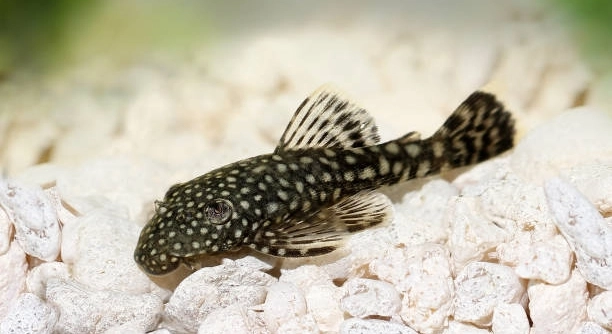
Quarantining a new Plecostomus is a common practice for fish enthusiasts. This precaution helps ensure that your new fish won’t introduce any harmful diseases to your existing aquarium. Let’s explore why this step is important for a healthy tank.
Quarantining a new Plecostomus is highly recommended to prevent potential disease transmission to other aquarium inhabitants. By keeping it in a separate tank for a few weeks, you can monitor its health before introducing it to the main tank.
A quarantine period gives you time to observe the Plecostomus and ensure it’s healthy. Understanding this process can help avoid future problems in your aquarium.
Why Quarantine a New Plecostomus?
When you bring a new Plecostomus into your aquarium, it may look healthy at first, but it could still carry diseases or parasites that you can’t easily spot. Fish, like other animals, can sometimes carry infections that aren’t immediately visible. These infections can spread quickly once the fish joins the main tank. By quarantining, you give yourself a chance to spot any signs of illness early, such as unusual behavior or visible marks. This helps protect the rest of your tank, including the more vulnerable species, from potential health issues.
Without a quarantine, you risk introducing pathogens that could harm or even kill other fish in your aquarium. It’s best to isolate new fish for a period of time to see if they develop any symptoms. This also gives you the opportunity to treat any problems before they spread.
A separate tank allows you to monitor the Plecostomus in a controlled environment, minimizing any risks. This is a simple yet effective step in preventing long-term issues in your main aquarium. Quarantining doesn’t take much effort but can save you from future headaches.
What Happens During the Quarantine Period?
The quarantine period typically lasts for two to four weeks. During this time, you should carefully observe the Plecostomus for any signs of illness, such as unusual swimming patterns or lesions. It’s essential to check for external parasites like ick, which can spread rapidly.
In addition to monitoring for visible signs, you can also test the water quality in the quarantine tank. A stable environment with proper filtration, temperature, and water parameters is key to keeping the Plecostomus healthy. If any issues arise, you can address them quickly without affecting the rest of your aquarium.
During quarantine, avoid introducing any new decorations or equipment that could potentially bring harmful bacteria or parasites. Keep things simple—just the fish, a filter, and water. This makes it easier to maintain the tank and track any changes in the fish’s health. At the end of the quarantine period, you’ll feel more confident about adding the Plecostomus to your main tank.
How to Set Up a Quarantine Tank
Setting up a quarantine tank is simple. It doesn’t need to be elaborate—just enough to house your new fish comfortably. A small tank with a filter, heater, and a light is all you need. Keep it minimal to avoid unnecessary complications.
For the best results, ensure the water parameters in the quarantine tank match those of your main aquarium. Check the pH, temperature, and hardness to prevent stressing the fish. Use a sponge filter for gentle filtration. The goal is to mimic the main tank environment but keep the fish isolated. A bare tank, without plants or decorations, is ideal to spot any potential problems easily.
Maintain the quarantine tank at the same temperature as the main tank to reduce stress on the fish. Avoid overcrowding; the goal is to make it a safe space for the Plecostomus to acclimate. By keeping the environment simple, you can quickly notice any health concerns. This also makes water changes easier, helping keep the tank clean and free of toxins during the quarantine period.
How to Observe the Plecostomus
Observing the new Plecostomus closely is essential to detect any problems. Look for abnormal behavior, like unusual swimming patterns or lethargy. A healthy fish should be active and explore the tank. If your Plecostomus stays in one corner or hides constantly, this could be a red flag.
Also, check for any visible marks or abnormalities on the skin. White spots, lesions, or discoloration can indicate health issues. Make sure the gills are moving normally and that the fish is eating well. If the fish refuses to eat, it’s another sign that something might be wrong.
Watch for any signs of aggression as well. While Plecostomus are generally peaceful, stress can sometimes make them act out. If your fish is constantly darting around the tank or showing aggressive behavior toward the glass or decorations, it might be struggling with stress or illness. Keeping track of these behaviors can help catch problems early before they affect the rest of your aquarium.
Common Diseases to Watch For
When quarantining your Plecostomus, be on the lookout for common diseases like ick, velvet, and fin rot. These illnesses can spread quickly if not detected early. Symptoms like white spots or fuzzy growths are telltale signs.
Ick, or white spot disease, shows up as small white dots on the body and fins. Velvet disease is characterized by a gold or rust-colored sheen on the fish. Fin rot causes the edges of the fins to become ragged and discolored. Any of these can weaken your Plecostomus and, if untreated, spread to your other fish.
Make sure to take note of any changes in behavior or appearance so that you can begin treatment promptly. If you spot symptoms, it’s best to treat them in the quarantine tank to prevent contamination of your main aquarium.
Feeding During Quarantine
Feeding your Plecostomus during quarantine should be done in moderation. Overfeeding can cause water quality to drop quickly, leading to additional stress. A small amount of sinking pellets or algae wafers is usually sufficient.
It’s important to avoid introducing new food types until you’re certain the fish is healthy and eating regularly. Stick to the same food it was fed before, unless it shows signs of not accepting it. You can also supplement the diet with blanched vegetables like zucchini, which many Plecostomus enjoy.
Keep an eye on the fish’s eating habits and adjust portions as needed. If it’s not eating or seems disinterested, take action by checking water parameters and behavior closely. This ensures that the fish stays healthy during its quarantine period.
Monitoring Water Quality
Water quality is crucial in a quarantine tank. Without proper filtration or regular water changes, harmful toxins can build up, stressing the Plecostomus. Test the water for ammonia, nitrites, and nitrates regularly.
Perform partial water changes every few days to keep the tank clean. Make sure the temperature stays consistent, and ensure the water stays within a safe pH range. If you notice spikes in toxins, act quickly by changing more water. Keeping the water in optimal condition supports the health of your fish and prevents further complications during quarantine.
FAQ
How long should I quarantine my Plecostomus?
It’s recommended to quarantine your Plecostomus for 2 to 4 weeks. This period allows enough time to observe any potential health issues. Some diseases take time to show symptoms, so keeping the fish in isolation for a few weeks ensures you’re not introducing any harmful pathogens into your main tank.
Can I add plants or decorations to the quarantine tank?
It’s best to keep the quarantine tank simple, with only the necessary equipment like a filter and heater. Adding plants or decorations can complicate monitoring for diseases, as it makes it harder to spot any issues. It also increases the risk of introducing harmful parasites or bacteria from outside sources.
What should I do if my Plecostomus isn’t eating?
If your Plecostomus isn’t eating, first check water quality. Poor water conditions can cause fish to lose their appetite. Make sure the temperature and pH levels are within range. If the water conditions are fine, try offering different foods, such as algae wafers or blanched vegetables, to stimulate eating. If the fish still refuses to eat, it could be a sign of stress or illness, and further observation or treatment may be necessary.
Do I need to treat the water in the quarantine tank with medication?
Medicating the water isn’t necessary unless you observe symptoms of illness. If you notice issues like white spots or abnormal behavior, it may be necessary to treat the water with the appropriate medication. However, if your Plecostomus appears healthy, keeping the quarantine tank clean and properly maintained should be enough.
Should I keep the quarantine tank’s filter running all the time?
Yes, it’s important to keep the filter running during the quarantine period. A filter helps maintain water quality by removing waste and keeping the water oxygenated. However, be sure to use a sponge filter or a filter with gentle flow to prevent stressing the fish. A stable environment will keep your Plecostomus healthy while it’s in isolation.
Can I add other fish to the quarantine tank with my Plecostomus?
It’s better to avoid adding any other fish to the quarantine tank unless necessary. Adding other fish can complicate the observation process and introduce additional risks. If you need to quarantine multiple fish, it’s best to have a separate quarantine tank for each one. This minimizes the risk of disease transmission and stress.
What signs should I look for to detect illness in my Plecostomus?
Look for physical symptoms like white spots, discoloration, lesions, or ragged fins. Also, watch for behavioral changes such as lethargy, abnormal swimming, or refusal to eat. These can all be early indicators of illness. If you notice any of these signs, it’s essential to begin treatment immediately and keep the fish isolated.
Is it necessary to quarantine Plecostomus even if it looks healthy?
Yes, even healthy-looking Plecostomus should be quarantined. Some diseases, like parasites or internal infections, are not immediately visible. Quarantining your fish helps catch these hidden issues before they spread to other tank inhabitants. It’s better to be safe than sorry, as it’s much easier to treat a disease in isolation than in a populated tank.
What should I do if my Plecostomus shows signs of disease?
If your Plecostomus shows signs of disease, such as spots, lesions, or abnormal behavior, take immediate action. First, ensure the quarantine tank’s water quality is optimal. If symptoms persist, treat the water with the appropriate medication or consult a veterinarian who specializes in fish. Early intervention is key to preventing further complications.
Can I skip the quarantine period if I trust the source of the Plecostomus?
Even if you trust the source, it’s always better to quarantine. No matter how reputable the seller or breeder, there is always a risk of hidden diseases or parasites. Quarantining new fish is a precautionary measure that helps protect the overall health of your aquarium and its inhabitants.
Final Thoughts
Quarantining a new Plecostomus is a simple yet important step in maintaining the health of your aquarium. While it may seem like an extra hassle at first, the benefits far outweigh the effort. It’s a proactive way to ensure that any potential diseases or parasites don’t make their way into your main tank. By giving your Plecostomus time to adjust in isolation, you not only protect your existing fish but also allow the new addition to settle in without the added stress of sharing space with other fish.
The quarantine period doesn’t need to be complicated. All you need is a small, separate tank with a filter and heater to keep your Plecostomus comfortable. During this time, observe the fish carefully for any signs of illness or stress. Pay attention to its eating habits, behavior, and appearance. If everything goes smoothly, the Plecostomus will likely adjust to its new environment and will be ready to join your main tank. If any issues arise, having it isolated in a quarantine tank makes it much easier to treat and control the situation.
In the long run, quarantining your Plecostomus can save you time, money, and frustration. Fish health is crucial for the overall success of your aquarium, and preventing illness is much easier than dealing with an outbreak. By following these simple steps and being patient during the quarantine process, you are taking the best possible care of your Plecostomus and the other fish in your tank.

Hello,
If you enjoy the content that we create, please consider saying a "Thank You!" by leaving a tip.
Every little bit helps us continue crafting quality advice that supports the health, happiness, and well-being of pets around the world, for pets of all shapes, sizes, and species.
We really appreciate the kindness and support that you show us!