
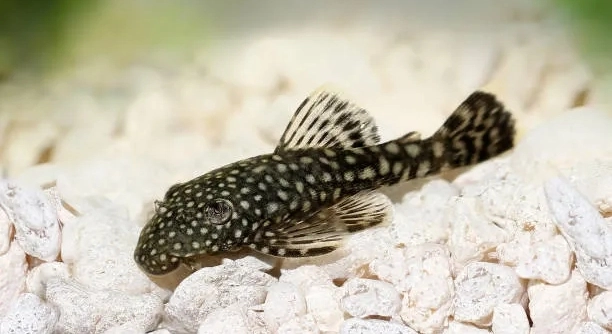
Plecos are a popular choice for aquarium enthusiasts, especially those who are new to fishkeeping. Their unique characteristics and relatively low maintenance make them a potential option for first-time fish owners. However, there are some factors to consider.
Plecos can be a good option for beginners, but they require specific care to thrive. They need ample space, a well-maintained tank, and proper water conditions. Without these elements, their health and well-being could be compromised, making them less ideal for all first-time fish owners.
Understanding their needs and behavior will help you decide if a pleco is the right fish for your aquarium.
Why Plecos are Considered Low Maintenance
Plecos are often seen as low-maintenance fish, which makes them appealing to first-time owners. They are hardy creatures that can adapt to a variety of water conditions, as long as the tank is properly maintained. They are bottom dwellers, meaning they primarily clean algae from the tank, which helps reduce the amount of cleaning you need to do.
While plecos are generally easy to care for, they do require a certain level of commitment. Regular water changes, monitoring water parameters, and providing a tank with proper filtration are all essential. Without these basics, even a tough fish like the pleco can face health problems. Additionally, the size of the tank plays a critical role. A pleco may start off small but can grow quite large, so adequate space is necessary for their long-term well-being.
In short, plecos may seem low maintenance at first glance, but they do require attention to their environment and care to stay healthy. Proper tank setup and water conditions are non-negotiable for their success.
Tank Setup Considerations
When setting up a tank for a pleco, it’s important to plan ahead. Plecos require plenty of space to swim and roam, so a larger tank is essential as they can grow to be quite large.
A well-maintained tank with good filtration and appropriate water temperature is key to ensuring your pleco thrives. Regular water changes and the use of a proper substrate, like sand or smooth gravel, will help keep the environment comfortable. Avoid placing decorations that might hurt the pleco or limit its space. A good filter will also ensure that the tank stays clean, which is important for both the pleco and any other fish you may have.
With the right setup, plecos can live long, healthy lives. However, without it, they can suffer. Knowing their space and care needs in advance will save you time and effort down the line.
Feeding Plecos
Plecos are primarily herbivores, but they will also eat some animal matter. Algae is a key part of their diet, but they need more than just algae for proper nutrition. Commercial algae wafers and fresh vegetables, like zucchini and cucumber, should be part of their regular meals.
Though plecos can graze on algae in the tank, it’s important to supplement their diet. Algae wafers provide essential nutrients that natural algae might not offer. Vegetables should be washed and cut into small pieces to make it easier for your pleco to consume. Overfeeding can lead to tank imbalances, so feed them only what they can consume in a few hours.
Plecos may also enjoy occasional protein-based food, such as bloodworms, but this should be kept to a minimum to avoid health issues. Keep an eye on how much your pleco eats, as it can be easy to overfeed them, which could lead to water quality problems and potential health issues.
Tank Mates for Plecos
Plecos are generally peaceful and get along well with most fish, making them good tank mates for a variety of species. However, some fish can be more aggressive and may not be suitable for sharing a tank with plecos.
Avoid placing them with overly territorial fish that might harass or stress the pleco. Fish like cichlids or larger predatory species should be avoided, as they may attack or outcompete plecos for food. It’s best to choose peaceful, non-aggressive fish that will coexist peacefully with plecos in the same environment. Good tank mates include small, non-aggressive community fish like tetras, guppies, and other peaceful species.
Also, consider the tank size when choosing tank mates. Overcrowding can lead to stress and territorial disputes, which can harm your pleco’s health. Ensure that all fish have enough space to thrive and grow without competition for resources.
Pleco Lifespan
Plecos can live for a long time with proper care, typically ranging from 10 to 15 years. This makes them a long-term commitment, so it’s important to be prepared for the responsibility. With the right conditions, they can reach their full lifespan potential.
Their lifespan can be impacted by tank conditions, such as water quality, temperature, and space. Poor water conditions or overcrowding may reduce their lifespan, while a well-maintained tank with proper filtration can help them live longer, healthier lives. Regular maintenance is essential to ensuring a long life for your pleco.
Plecos and Tank Maintenance
Plecos help keep your tank clean by consuming algae and debris, but that doesn’t mean you can skip regular maintenance. They still require water changes and tank cleaning to thrive.
You’ll need to monitor water parameters like pH, hardness, and temperature. Even though plecos are relatively hardy, improper water conditions can lead to stress, which can shorten their lifespan. In addition to water changes, cleaning the filter and removing excess debris will ensure a healthier environment. Regular maintenance is just as important as feeding them properly.
Common Pleco Health Issues
Plecos are generally hardy fish, but they can still develop health issues. Some common problems include fin rot, parasitic infections, and malnutrition.
To prevent these issues, keep an eye on your pleco’s behavior and appearance. If you notice any changes, such as abnormal swimming patterns or discoloration, investigate water conditions and diet. Treat any illness promptly to prevent it from spreading to other fish in the tank. Proper care can help you avoid these health issues and keep your pleco happy.
FAQ
How often should I feed my pleco?
Feed your pleco once or twice a day, depending on their size and the amount they eat. Only give them as much food as they can consume in a few hours to avoid overfeeding and water quality issues. Supplement their diet with algae wafers, vegetables, and occasional protein.
Can plecos live with other fish?
Yes, plecos are generally peaceful and can live with a variety of community fish. However, avoid placing them with aggressive or territorial fish that might harass them. Choose peaceful species like tetras, guppies, or peaceful barbs. Ensure enough space for everyone to reduce stress.
Do plecos need a heater in their tank?
Yes, plecos need a consistent water temperature to stay healthy. Most species prefer temperatures between 72°F and 82°F (22°C to 28°C). If you live in a cooler area, using a heater can help maintain the proper temperature for your pleco.
Can plecos live in a small tank?
While plecos can survive in a small tank for a short period, they grow large and require plenty of space. A tank of at least 30 gallons is recommended for small species, but larger plecos need even more room. Ensure your pleco has enough space to move and grow comfortably.
Why is my pleco hiding?
Hiding is common behavior for plecos, especially during the day when they prefer to rest. However, if your pleco hides excessively, it could be stressed, sick, or uncomfortable due to poor water conditions. Check the water parameters and ensure there are no aggressive tank mates.
How do I know if my pleco is healthy?
A healthy pleco will be active, have smooth, well-maintained fins, and exhibit normal swimming behavior. Their skin should be clear, with no signs of lesions or discoloration. Check for signs of overgrowth on their teeth or abnormal bulging eyes, as these could indicate health issues.
Do plecos need a lot of care?
Plecos are low-maintenance in some aspects, such as their diet, as they naturally eat algae. However, they still require regular water changes, proper tank filtration, and the correct environment. If their water quality or tank size is neglected, they can develop health problems.
Can plecos eat algae in the tank?
Yes, plecos are known for eating algae, which helps keep your tank clean. However, they should not rely solely on algae for nutrition. Algae wafers, vegetables like zucchini, and occasional protein are necessary to provide a balanced diet and prevent malnutrition.
What should I do if my pleco is not eating?
If your pleco isn’t eating, check the water quality and make sure it’s within the appropriate parameters. Stress, illness, or poor water conditions can cause a loss of appetite. Try offering different foods like fresh vegetables or algae wafers. If the problem persists, consult an aquarium professional.
How can I tell if my pleco is stressed?
Stressed plecos may display behaviors like hiding more than usual, swimming erratically, or appearing lethargic. They may also have a dull or darkened coloration. Stress can be caused by poor water quality, aggressive tank mates, overcrowding, or an inadequate tank setup.
Why is my pleco losing its color?
A pleco losing its color could indicate stress, poor water quality, or illness. If the water is not properly filtered or the temperature is not consistent, this can cause the pleco to lose its vibrant color. Ensure the water parameters are correct and observe for any signs of illness.
Can plecos eat fresh vegetables?
Yes, plecos can eat fresh vegetables like zucchini, cucumber, and sweet potato. Wash and cut the vegetables into small pieces before adding them to the tank. This helps supplement their diet and offers the necessary nutrients. Avoid overfeeding, as leftover vegetables can pollute the tank.
What size tank do plecos need?
The minimum tank size for a pleco depends on the species. Smaller plecos can live in a 30-gallon tank, but larger species may require 50 gallons or more. Providing ample space for your pleco to swim and grow is crucial for their health and comfort.
How fast do plecos grow?
Plecos grow at a moderate rate. Most species start small but can grow several inches in the first year, with some reaching 12 to 24 inches in length over time. It’s important to provide enough space for their growth, as overcrowding can stunt their development and cause stress.
Do plecos require a filter?
Yes, plecos need a filter in their tank to maintain clean water. While they help with algae control, they cannot handle the filtration needs of the entire tank. A good filter will help keep the water clear and provide a stable environment for your pleco and other fish.
Can plecos live without algae?
While plecos naturally graze on algae, they can’t live solely on it. They need a varied diet that includes algae wafers, fresh vegetables, and occasional protein. A tank with little algae may still be suitable for plecos, but you must provide the proper food sources to keep them healthy.
Why is my pleco not moving?
If your pleco isn’t moving, it could be due to stress, poor water quality, or illness. Check the water parameters and look for signs of infection, like abnormal swelling or discoloration. If the pleco’s behavior continues, consult an aquarium expert for advice.
Final Thoughts
Plecos can be a great choice for first-time fish keepers due to their generally easy care requirements. They are peaceful, hardy, and can live for many years if given the right environment. However, they do require attention to water quality, tank size, and food. While they can help control algae, they shouldn’t be relied upon solely for this purpose. Regular tank maintenance, proper feeding, and monitoring their health are essential to ensure they thrive.
One of the most important factors to consider when choosing a pleco is their potential size. Some species can grow quite large, so it’s crucial to ensure your tank is big enough to accommodate them as they mature. Additionally, they prefer a tank with plenty of hiding spaces and clean water. Overcrowding or poor water conditions can stress your pleco and lead to health problems. Therefore, a well-maintained tank with the proper setup is necessary for their long-term well-being.
While plecos are relatively low-maintenance, they are not completely care-free. Their diet should be varied, and their water should be consistently clean. If you are prepared to meet their needs, a pleco can be a long-lasting and fascinating addition to your aquarium. Understanding their behavior, habitat needs, and the basics of pleco care will help ensure that they live a healthy and happy life in your tank. By paying attention to these key factors, you can enjoy your pleco for many years to come.

Hello,
If you enjoy the content that we create, please consider saying a "Thank You!" by leaving a tip.
Every little bit helps us continue crafting quality advice that supports the health, happiness, and well-being of pets around the world, for pets of all shapes, sizes, and species.
We really appreciate the kindness and support that you show us!