
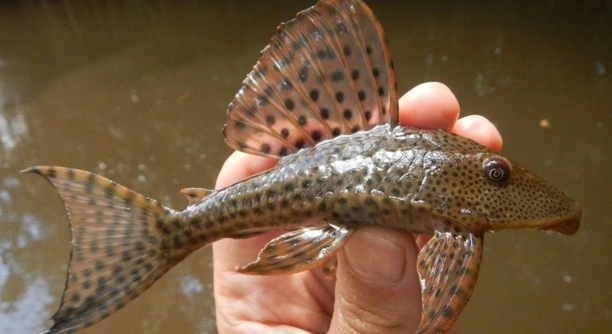
Many aquarium enthusiasts seek smaller fish and plecos to maintain a well-balanced tank. If you’re looking for a pleco breed that remains small, you may be interested in those that stay under 6 inches in length.
There are several types of pleco species that stay under 6 inches, making them ideal for smaller aquariums. These include the bristlenose pleco, clown pleco, and rubber lip pleco, among others. They are both compact and easy to care for.
These small plecos are great for tanks with limited space, offering both aesthetic value and practical benefits.
Bristlenose Pleco
The bristlenose pleco is one of the most popular choices for smaller aquariums. With its calm temperament and unique appearance, it’s a great addition to many tanks. They typically grow to about 4-5 inches in length, making them perfect for those who want a pleco without taking up too much space. Their bristly nose gives them a distinct look, and they help keep the tank clean by eating algae.
Although they are small, bristlenose plecos are quite hardy. They adapt well to a range of water conditions, though they prefer slightly acidic to neutral water with temperatures between 70-78°F. Regular water changes are necessary to keep them healthy, but they are otherwise low-maintenance.
Bristlenose plecos are peaceful fish and can be kept with most tank mates. They are best suited for tanks with hiding places, such as caves or plants, where they can retreat when feeling stressed. Their small size and gentle nature make them an excellent option for many aquarium setups.
Clown Pleco
Clown plecos are another excellent option for smaller tanks. These plecos stay under 4 inches in length, making them one of the smallest species available.
This species is quite hardy and can tolerate a variety of water conditions, but it prefers slightly warmer temperatures around 75-80°F. The clown pleco is nocturnal, which means it is most active at night. Their playful nature and striking coloration add character to the tank. They primarily feed on algae and wood, contributing to maintaining a clean environment.
Clown plecos are peaceful and get along well with most tank mates. Their size and low maintenance requirements make them an attractive option for people with smaller tanks. They do well in tanks with soft plants and driftwood, as they enjoy hiding and grazing on these surfaces. The combination of size and behavior makes the clown pleco an ideal choice for many aquarium setups.
Rubber Lip Pleco
The rubber lip pleco is a hardy and low-maintenance fish that stays small, typically growing to around 4 to 5 inches. It’s an ideal choice for aquariums with limited space.
These plecos are known for their rubbery, thick lips and peaceful nature. They help keep the tank clean by grazing on algae and detritus. Rubber lip plecos are nocturnal, so they are most active at night. They are not aggressive, which makes them compatible with a variety of tank mates. However, they do prefer a tank with plenty of hiding spots, like rocks or plants.
Water conditions for the rubber lip pleco should be slightly acidic to neutral, with a temperature range of 72-78°F. They thrive in well-maintained aquariums with regular water changes. While not as active as some other species, their gentle personality and small size make them a great addition to peaceful community tanks.
Starlight Bristlenose Pleco
The starlight bristlenose pleco is another variation of the bristlenose pleco that stays under 6 inches. It is a beautiful fish with bright, star-like spots on its body.
This pleco has the same peaceful and algae-eating characteristics as the regular bristlenose pleco. The starlight variety is often darker, with a unique pattern that adds beauty to your tank. These plecos are also hardy, tolerating a range of water conditions as long as the tank is well-maintained. They tend to grow to around 4 to 5 inches, making them suitable for small to medium-sized aquariums.
The starlight bristlenose pleco is perfect for aquarists who want a small, yet striking fish. Its tendency to stay hidden during the day means it’s a great option for tanks with shy or less active fish. Like other plecos, it thrives with soft plants and driftwood in the aquarium.
Pitbull Pleco
Pitbull plecos are small, peaceful fish that typically grow to 4 inches in length. They are perfect for small aquariums and known for their distinctive appearance.
These plecos have a unique, flattened body with a rounded face, which gives them a pitbull-like look. They are bottom dwellers and spend most of their time grazing on algae. Pitbull plecos are active during the day, unlike some other pleco species, which makes them more visible in the tank. They are compatible with many other fish and thrive in well-maintained aquariums with plenty of hiding spots.
Zebra Pleco
The zebra pleco, a small yet striking species, usually reaches only about 4 inches in size. It has bold black and white stripes that make it stand out in any tank.
Zebra plecos are rare and somewhat expensive, but they make a stunning addition to a small aquarium. They are nocturnal, so they are mostly active during the night, preferring to hide during the day. These plecos require slightly warmer water temperatures, around 80°F, and they thrive in clean, well-oxygenated water. Their small size and unique appearance make them a desirable fish for aquarists who want something different.
Gold Nugget Pleco
The gold nugget pleco grows to about 5 inches, making it another excellent option for smaller tanks. Its striking gold spots against a dark body give it a unique and beautiful appearance.
The gold nugget pleco is an algae eater, but it also enjoys grazing on wood and other plant matter in the tank. It’s important to keep the tank clean and well-maintained, as they thrive in stable water conditions. Gold nugget plecos are peaceful and can be housed with other fish as long as there’s plenty of hiding space. Their active, nocturnal nature ensures they’ll be busy cleaning the tank when most other fish are resting.
FAQ
How do I care for a pleco under 6 inches?
Caring for smaller plecos is quite easy as long as you maintain stable water conditions. Most plecos prefer slightly acidic to neutral water with a temperature range of 72-80°F. Regular water changes are important to keep the tank clean. Ensure there are plenty of hiding spots, such as caves or driftwood, for the pleco to feel secure. Though they are bottom dwellers, plecos also enjoy having access to algae or wood to graze on. A good filtration system will help keep their environment clean.
Do plecos need a lot of space?
While plecos are known for being bottom-dwellers, they do still need enough space to swim around. Small plecos under 6 inches don’t require a massive tank, but they should still be provided with ample room to move. A tank size of at least 20 gallons is recommended for smaller plecos to give them adequate space to explore. Additionally, the tank should have enough hiding spots, like caves or plants, where the pleco can retreat if needed. Keeping plecos in tanks that are too small can lead to stress and health issues.
Can plecos live with other fish?
Yes, plecos are generally peaceful and can live with many other fish. They are bottom dwellers, so they tend to stay out of the way of other species. However, avoid housing them with aggressive or very small fish, as plecos can unintentionally harm them due to their size or territorial instincts. It’s best to choose tankmates that share similar water requirements, like peaceful species of tetras, gouramis, or small cichlids. Always monitor their behavior when introducing new fish to ensure compatibility.
Do plecos need special food?
Plecos are primarily algae eaters, but they will benefit from a variety of food. In addition to the natural algae in your tank, you should supplement their diet with sinking pellets, wafers, or blanched vegetables like zucchini or spinach. Some plecos, especially species like the bristlenose or rubber lip, may also enjoy occasional protein-rich foods like shrimp or bloodworms. It’s important to ensure they are eating a balanced diet to maintain their health. Be mindful of overfeeding, as excess food can pollute the tank and harm your pleco.
What is the lifespan of a small pleco?
The lifespan of small plecos, such as those under 6 inches, typically ranges from 5 to 10 years, depending on the species and the care they receive. To ensure your pleco lives a long, healthy life, it’s important to maintain optimal water conditions, provide a proper diet, and keep the tank clean. Avoid sudden changes in the water parameters, as this can stress the pleco and shorten its lifespan. Regular water changes, proper filtration, and a well-balanced tank environment will contribute to your pleco’s longevity.
Are plecos easy to breed?
Breeding plecos can be relatively easy for certain species, such as the bristlenose pleco, while others may require more specific conditions. To encourage breeding, provide caves or other hiding spots for the plecos to lay their eggs. Water conditions should be stable, with a temperature range of 75-80°F and slightly acidic to neutral pH. In some cases, changes in the water temperature or the introduction of a larger tank or additional plecos may trigger breeding behavior. However, not all pleco species breed easily in captivity, so research is needed for successful breeding.
Do plecos help clean the tank?
Yes, plecos are known for their ability to help clean the tank, particularly by grazing on algae. This can be especially beneficial for keeping the tank’s glass, decorations, and plants clear of algae growth. However, plecos shouldn’t be relied upon solely for tank cleaning. They may not be able to remove all algae, especially if the tank is heavily infested. Regular cleaning and water changes are still necessary to maintain a healthy aquarium environment. Plecos can also help clean up leftover food and detritus, further contributing to a cleaner tank.
Why are plecos so active at night?
Plecos, particularly species like the clown pleco and zebra pleco, are nocturnal by nature. They are most active during the night, foraging for food, grazing on algae, and exploring the tank. This behavior is normal, and it’s part of their natural instincts. During the day, plecos often prefer to hide in caves, under driftwood, or in other secluded areas to avoid light and predators. If you want to observe their behavior, it may be best to set up dim lighting or keep the tank lights off at night to watch them in action.
Can plecos live in cold water?
Most plecos are tropical fish and prefer warm water temperatures between 72-80°F. Coldwater conditions, especially those below 68°F, can stress plecos and lead to health problems. Some species, like the rubber lip pleco, can tolerate slightly cooler temperatures, but they still thrive in warmer water. If you live in a cooler climate, it’s important to have a reliable heater to maintain the appropriate water temperature in your tank. Keeping the water warm will help plecos stay healthy and active.
What tankmates are best for small plecos?
Small plecos, such as the bristlenose and clown pleco, are peaceful and can live with a variety of tankmates. Some good choices include peaceful community fish like tetras, guppies, and small cichlids. Plecos are bottom dwellers and generally keep to themselves, so they tend to coexist well with other fish as long as the tankmates are not aggressive. Avoid keeping them with overly territorial species or very small fish that might be at risk of being harassed. It’s also a good idea to provide plenty of hiding spots for all the fish in the tank.
How can I tell if my pleco is healthy?
A healthy pleco will have a clean, well-formed body and be actively foraging for food. It should swim and graze throughout the tank, with its body showing no signs of bloating, wounds, or discoloration. The pleco’s fins should be intact, and it should not show any signs of lethargy or stress. Additionally, healthy plecos will have clear eyes and a strong, healthy appetite. If you notice any changes in behavior, such as hiding more often or not eating, it may indicate a health issue that requires attention.
Why is my pleco staying at the top of the tank?
If your pleco is staying at the top of the tank, it could be a sign of poor water quality or low oxygen levels. Plecos are bottom dwellers and usually prefer staying close to the substrate. If they are consistently at the surface, it’s important to check your water parameters, including ammonia, nitrite, nitrate, and oxygen levels. A malfunctioning filter or improper water circulation can cause these issues. Also, check for any signs of stress or illness, as these can also lead to abnormal behavior.
Final Thoughts
Plecos are fascinating and relatively easy-to-care-for fish, especially those that remain under 6 inches. Their ability to help maintain a clean tank by consuming algae makes them a popular choice for aquarium owners. Smaller plecos, like the bristlenose or clown pleco, are perfect for home aquariums where space is limited. Their peaceful nature allows them to thrive in community tanks, coexisting with a variety of other species. Additionally, their straightforward care needs, such as stable water conditions and a proper diet, make them ideal for both beginners and more experienced aquarists alike.
However, it’s important to remember that every pleco species has its own unique needs. While some may tolerate a wider range of temperatures, others might require specific care to thrive. Providing the right environment, such as a well-maintained tank with hiding spots and proper filtration, is essential for their health. Though small plecos may not require large tanks, it’s still crucial to avoid overcrowding and ensure they have enough room to explore. The health of your pleco directly depends on the water quality, which makes regular water changes and filtration a key part of their care routine.
In conclusion, keeping a pleco that stays under 6 inches can be an enjoyable and rewarding experience. They not only contribute to the aesthetic of your aquarium but also provide functional benefits by keeping algae growth in check. With proper attention to water conditions, feeding, and tankmates, these small plecos can live long, healthy lives. For any aquarist looking to add a unique and low-maintenance fish to their tank, a small pleco is a great choice.

Hello,
If you enjoy the content that we create, please consider saying a "Thank You!" by leaving a tip.
Every little bit helps us continue crafting quality advice that supports the health, happiness, and well-being of pets around the world, for pets of all shapes, sizes, and species.
We really appreciate the kindness and support that you show us!