
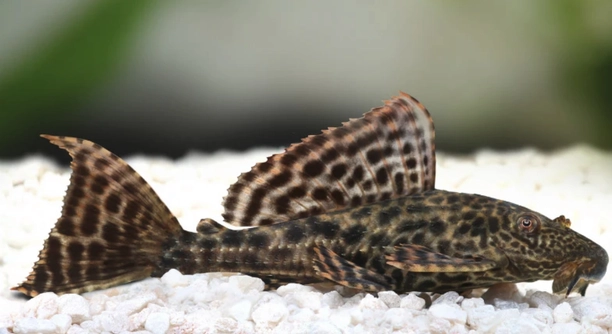
If you have a pleco in your aquarium, you might find yourself wondering whether it’s laying eggs or just taking a rest. Their behavior can sometimes be confusing, especially if you’re not familiar with the signs.
Plecos often lay eggs on flat surfaces, such as rocks or decorations. Resting, however, involves staying in one position without any visible changes in behavior, while egg-laying typically involves increased activity, such as moving or guarding the eggs.
Understanding these behaviors will help you distinguish between resting and egg-laying. Keep reading to find out more about your pleco’s habits and what you can do to support them.
How to Tell If Your Pleco is Resting
Plecos are known for their calm demeanor, often sitting still for long periods. They may seem inactive, but this can just be their way of resting. Unlike other fish, plecos tend to rest by lying on a flat surface like rocks, decorations, or even the aquarium glass. They do not constantly swim around, which can make it hard to tell if they are merely resting or preparing to lay eggs.
It’s important to observe their behavior closely. If your pleco is sitting in one spot, not moving much, it is likely just resting. They may occasionally shift their position or flick their fins, but they do not exhibit the constant activity that is common when they are laying eggs. This rest period is crucial for their energy reserves and overall well-being.
Plecos also rest during the day, often hiding in caves or under rocks. It’s part of their natural behavior to stay out of sight when they need rest. This is especially true when they are adjusting to new surroundings or experiencing changes in water conditions.
Signs Your Pleco May Be Laying Eggs
If your pleco starts showing more activity, it could be a sign that it’s laying eggs. Female plecos often search for flat surfaces to attach their eggs, and this process can take a while. Unlike resting, laying eggs involves much more movement, including swimming around to find a suitable place. The male pleco typically guards the eggs afterward, ensuring their safety.
When a pleco is laying eggs, the female’s behavior becomes noticeably different. She may swim actively between the surfaces, looking for the perfect spot, before laying her eggs in clusters. Once the eggs are laid, she will often stay close by while the male begins fertilizing them. Keep an eye on your pleco during this time, as they may also be more territorial than usual.
After the eggs are laid, the female and male will sometimes engage in guarding the eggs from other fish. This is a protective measure to ensure the eggs remain undisturbed and have the best chance of survival. The male will usually stay near the eggs, offering protection from any potential threats.
How to Support Your Pleco During Egg-Laying
To support your pleco during egg-laying, ensure that your aquarium has plenty of flat surfaces for the female to lay eggs. Rocks, driftwood, or ceramic decorations work best. Maintaining clean water with proper filtration is also important to help the pleco stay healthy.
When the eggs are laid, it’s important not to disturb them. The female may move around the area, but try to keep the tank environment as stable as possible. Make sure the temperature is appropriate and that the water quality remains consistent. Avoid making any drastic changes, as this can stress the pleco and potentially cause them to abandon the eggs.
Watch for the male’s involvement, as he will fertilize the eggs and protect them. You can assist by ensuring the tank is free from other fish that might harm the eggs. Keep the plecos in a quiet and calm environment during this time, allowing them to focus on egg care.
What to Do If Your Pleco Isn’t Laying Eggs
If your pleco isn’t laying eggs despite showing signs of readiness, consider adjusting the tank environment. Sometimes, plecos need specific conditions to breed. A slightly warmer temperature and the introduction of suitable hiding spots may trigger egg-laying behavior.
The female pleco may not lay eggs if she feels stressed or uncomfortable. Overcrowding in the tank or poor water conditions can lead to reluctance in breeding. Ensuring the water parameters are optimal will help create the right environment. A consistent water temperature, stable pH, and low nitrate levels can encourage breeding behavior.
If conditions are ideal, but your pleco still isn’t laying eggs, patience may be necessary. Some plecos only breed during certain times of the year or may not be ready. Be patient and continue to monitor their behavior and environment for any changes.
Common Misconceptions About Plecos Laying Eggs
One common misconception is that plecos lay eggs frequently, but this isn’t true. They only lay eggs when conditions are right. If your pleco hasn’t laid eggs, it might not be due to a lack of desire, but rather because the environment isn’t optimal.
Another misconception is that plecos will lay eggs in any tank. They need specific factors like water temperature, surface types, and sometimes even changes in water flow to trigger egg-laying. Without these conditions, even healthy plecos might not reproduce. Understanding their needs can help create the right environment.
Why Egg-Laying Might Fail
If your pleco lays eggs but they don’t hatch, it could be because of several factors. The water quality might not have been suitable for the eggs to develop properly. Low oxygen levels or improper filtration could prevent fertilization. Another issue could be improper water temperature.
Eggs can also fail to hatch if the plecos feel stressed. If the environment is too noisy or there are too many other fish in the tank, this can cause the pleco to abandon or neglect the eggs. Monitoring water quality and providing a stress-free tank is essential.
What Happens After Egg-Laying
After the eggs are laid, the male pleco takes over most of the care. He will guard the eggs, keeping them safe from any potential threats. The female usually stays close by but is less involved. The eggs will typically hatch in about 5 to 10 days.
The newly hatched fry are extremely small and fragile. At first, they will rely on the yolk sac for nutrition. As they grow, they begin to explore the tank and seek out food. The parents often continue to guard the fry for a while, making sure they are safe from other fish in the tank.
FAQ
What should I do if my pleco is not laying eggs?
If your pleco is not laying eggs, it may be due to the tank conditions not being ideal for breeding. Plecos need stable water temperatures, proper filtration, and a clean environment to feel comfortable. It might also help to add more hiding spots or flat surfaces in the tank. Sometimes, breeding behavior is influenced by seasonal changes or a change in water parameters. Be patient, as it may take time for your pleco to feel ready to lay eggs.
How can I tell the difference between a resting pleco and one laying eggs?
Resting plecos often stay in one place for extended periods, usually lying flat on a surface like a rock or a cave. If your pleco is laying eggs, you will notice more activity. The female pleco will move around more, looking for a suitable spot to lay her eggs. Afterward, she may remain close to the eggs or, in some cases, guard them. The male pleco typically stays near the eggs as well.
Do plecos always lay eggs in pairs?
Yes, plecos usually lay eggs in pairs. The female lays the eggs, and the male fertilizes them. The male then stays close to guard the eggs until they hatch. This partnership ensures the eggs are protected and properly fertilized. Sometimes, other plecos might show interest in the eggs, but it’s the male’s role to protect them.
Can I move pleco eggs after they are laid?
It’s generally not recommended to move pleco eggs after they are laid. The eggs need a stable environment with consistent water parameters to hatch successfully. Moving them could cause stress and disrupt their development. If you need to separate the eggs from other fish, consider setting up a separate tank or using a breeding net to keep the eggs safe.
How long do pleco eggs take to hatch?
Pleco eggs typically take around 5 to 10 days to hatch, depending on the water temperature. Warmer water temperatures can speed up the hatching process, while cooler water may slow it down. During this period, it’s essential to maintain good water quality and avoid stressing the pleco or the eggs.
What should I feed the pleco fry?
Once the pleco fry hatch, they will rely on the yolk sac for nourishment for the first few days. After that, you can start feeding them finely crushed pellets, algae wafers, or small bits of blanched vegetables like zucchini or spinach. It’s important to feed them small amounts at regular intervals to ensure they grow healthy.
Can plecos lay eggs without a mate?
No, plecos cannot lay fertilized eggs without a mate. The female pleco lays eggs, but they need to be fertilized by the male to develop into viable offspring. If there is no male present, the female may lay unfertilized eggs, but they will not hatch.
Why did my pleco lay eggs but they didn’t hatch?
If your pleco’s eggs didn’t hatch, several factors could be at play. Poor water quality or inappropriate water conditions, such as temperature or pH, can affect egg development. Stress from environmental changes or other tank mates may also cause the pleco to abandon the eggs. It’s essential to maintain a calm, stable environment to improve the chances of successful hatching.
How often do plecos lay eggs?
Plecos do not lay eggs frequently. They typically breed during certain times of the year or when conditions are optimal, such as the right water temperature and the presence of suitable breeding surfaces. Some plecos may only breed once or twice a year, while others may breed more often. The frequency of egg-laying largely depends on the specific species and environmental conditions.
What should I do if my pleco is guarding eggs?
If your pleco is guarding eggs, it’s best to leave them alone. Plecos are protective of their eggs and will often stay near them, ensuring they are safe from other fish. Avoid disturbing the tank and keep other tank mates away from the pleco’s territory. You can provide a calm and quiet environment to help the pleco feel secure during this time.
Will pleco fry survive in a community tank?
Pleco fry can survive in a community tank, but they may face risks from other fish, especially if the tank is overcrowded or has aggressive species. It’s a good idea to provide plenty of hiding spots for the fry, such as plants, caves, or other decorations. If you are concerned about their safety, you can move the fry to a separate tank until they grow larger and stronger.
What is the best water temperature for pleco breeding?
For plecos to breed, the water temperature should be between 75°F and 82°F (24°C to 28°C). Keeping the temperature within this range can help trigger breeding behavior and encourage the female pleco to lay eggs. If the temperature is too low, breeding may not occur, and if it’s too high, it could stress the plecos and lead to egg abandonment.
How can I tell if my pleco is male or female?
Determining the sex of a pleco can be difficult, but there are a few indicators. Male plecos tend to be more robust and have larger, more pronounced fins. They may also have larger pectoral fins with visible spines. Female plecos are often rounder and bulkier, especially when carrying eggs. In some species, males develop bristles on their snouts during breeding season, which females do not have.
Can plecos breed with other species?
Generally, plecos do not breed with other species, even if they are of the same family. They typically breed within their own species. Crossbreeding between different species of plecos is rare and usually does not result in viable offspring. Keeping plecos of the same species together increases the chances of successful breeding.
Do plecos need special care when breeding?
While plecos do not require specialized care during breeding, it is important to provide the right environment. Ensure the tank has clean, filtered water and appropriate temperature levels. Providing hiding spots and flat surfaces will encourage the female to lay eggs. Make sure other fish in the tank are not a threat to the plecos or their eggs.
Final Thoughts
Understanding whether your pleco is laying eggs or just resting can be a bit tricky, especially since these fish have different behaviors depending on their environment and needs. While plecos are relatively low-maintenance, providing them with the right conditions in the tank can make a huge difference in encouraging breeding. Observing them carefully and knowing the signs can help you determine what’s going on. Whether they are resting or preparing to lay eggs, understanding these patterns will make caring for them easier and more rewarding.
If your pleco is showing signs of egg-laying, it’s important to ensure that the environment is calm and suitable for the eggs to develop properly. The water temperature, cleanliness, and tank setup all play significant roles in the success of breeding. Removing any stressful elements, such as aggressive tank mates, is key. It’s also important to give the pleco some space during this time, as the male and female will both be more protective of the eggs. Patience is essential, as the process of egg-laying and hatching can take time, and every pleco has its own unique way of approaching it.
In the end, breeding plecos can be a fascinating and fulfilling experience, but it requires attention to detail. Even if your pleco doesn’t lay eggs right away, don’t be discouraged. Maintaining the proper tank conditions and providing the right environment will eventually help encourage breeding. Whether you’re new to plecos or have had them for a while, understanding their behaviors and needs will ensure they thrive.

Hello,
If you enjoy the content that we create, please consider saying a "Thank You!" by leaving a tip.
Every little bit helps us continue crafting quality advice that supports the health, happiness, and well-being of pets around the world, for pets of all shapes, sizes, and species.
We really appreciate the kindness and support that you show us!