
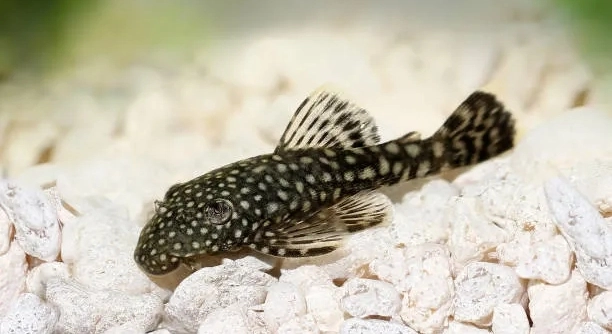
Is your pleco ignoring the driftwood in its tank, leaving you confused about what might be wrong with the setup? Understanding this behavior can help improve your fish’s comfort and the overall health of your aquarium.
Plecos may avoid driftwood due to water quality issues, unfamiliar wood types, lack of hiding spots, improper placement, poor tank conditions, territorial stress, or changes in environment. Identifying the specific reason can help correct the behavior effectively.
Understanding these reasons can improve your pleco’s comfort and tank environment while helping you make better care decisions moving forward.
The Wood Might Not Be Safe or Familiar
Some types of wood are not suitable for aquarium use and can release substances that alter the water chemistry. If your pleco avoids the driftwood, it might be because the wood is unfamiliar or untreated. Some wood types may also have sharp edges or textures your pleco dislikes. Mopani, for example, can leach tannins heavily, making the water darker and more acidic, which might be uncomfortable for certain species. Boiling or soaking the wood before placing it in the tank can help remove impurities. If the wood hasn’t been properly prepared, your pleco may sense something is off.
Plecos use their sense of taste and smell to explore. If the wood tastes odd or smells unfamiliar, they will likely avoid it.
Switching to safer options like Malaysian driftwood or Cholla wood, both known for being pleco-friendly, can help. Let the new wood soak for a few days before introducing it.
Tank Conditions Could Be Off
Even if the wood is safe, poor water conditions can discourage your pleco from interacting with it.
Plecos are sensitive to shifts in temperature, pH, and ammonia levels. If water parameters are off, they may stay hidden or avoid certain objects in the tank, including driftwood. Regular testing is important. A stable environment helps them feel secure. Make sure ammonia and nitrite levels are at zero, and keep the pH within the preferred range for your pleco species. Driftwood naturally affects pH by releasing tannins, so balance is important. Sudden changes can stress your pleco, and this stress may cause it to reject items it would normally use or explore.
Additionally, low oxygen levels and high nitrate concentrations may make your pleco sluggish. Ensure there is good water circulation and consider using an air stone. Frequent partial water changes and routine cleaning help maintain consistent conditions. Clean filters also play a role in keeping the environment healthy and stable.
The Placement Might Be Wrong
If the driftwood is in a high-traffic area or near strong currents, your pleco may avoid it altogether. These fish prefer quiet, shaded areas where they can rest undisturbed, especially during the day.
Repositioning the driftwood can make a big difference. Try placing it near the back of the tank, in a dimmer spot with less water movement. Avoid placing it close to filters or bubblers, as strong currents can stress plecos. Adding live plants or rocks around the wood creates a more secure environment. When the wood is surrounded by natural barriers, plecos are more likely to feel safe exploring it. Providing visual cover helps reduce anxiety and can encourage your pleco to use the wood more often.
Once your pleco feels safe, it will start interacting with the wood more freely. Giving it time to adjust and ensuring it has space to move around the area also helps build familiarity.
It May Not Provide Enough Shelter
Plecos need places where they can feel secure. If the driftwood is too small or has no gaps for hiding, they may ignore it completely. Shelter helps reduce stress and supports natural behavior like resting and hiding.
Choose driftwood that has grooves, tunnels, or arching shapes large enough for your pleco to rest under or inside. Flat pieces or small sticks won’t do much for them. If the wood doesn’t provide enough space, your pleco will find shelter elsewhere. You can also pair the driftwood with caves or clay tubes for added hiding options. Plecos prefer tight, shaded areas that mimic natural crevices. When they feel safe, they are more likely to graze and interact with their surroundings. Investing in better structure can improve tank harmony and encourage more natural behavior.
The Tank Might Be Too Crowded
A crowded tank can make plecos feel stressed and unsafe. If too many fish or decorations take up space, your pleco may avoid areas that feel exposed, including the driftwood.
Too much activity around the driftwood can also discourage your pleco from going near it. Less traffic helps.
It’s Feeling Territorial or Stressed
Plecos are naturally territorial, especially with limited hiding spots. If other tankmates claim the driftwood or constantly swim nearby, your pleco may give up trying to use it. Stress from overcrowding, loud filters, or sudden lighting changes can also lead to this behavior. Reducing light intensity and minimizing loud noises near the tank can help. Observing your pleco’s patterns may show whether stress is the cause. Sometimes, separating aggressive tankmates or rearranging the layout encourages more peaceful behavior. A calm environment often makes a noticeable difference in how your pleco responds to driftwood and other tank features.
It’s Still Adjusting
If the driftwood is new, your pleco might just need more time to get used to it. Give it a few days.
FAQ
Why is my pleco avoiding the driftwood?
There are several reasons why a pleco might avoid driftwood. It could be due to water quality issues, unfamiliar wood types, or poor tank conditions. Plecos are sensitive to their environment, and if something feels off, they will avoid it. The driftwood might not be safe, or it may have been poorly prepared. It could also be placed in an area with too much activity, strong water currents, or without sufficient hiding spots. Lastly, your pleco may simply need more time to get used to it.
How can I prepare driftwood for my pleco?
To prepare driftwood for your pleco, you should first soak it in water for several days. This will help release excess tannins and make it sink properly. Some people also boil the wood to kill any harmful bacteria or parasites. If the driftwood is still releasing tannins that turn the water yellow, don’t worry—this is normal and will decrease over time. After soaking or boiling, place the driftwood in the tank and monitor the pleco’s behavior around it.
Can plecos eat driftwood?
Yes, plecos can eat driftwood. They are known to nibble on wood, particularly to help with digestion. Wood provides essential fiber for their digestive system, and many species of plecos rely on this natural behavior. However, not all types of wood are safe. Driftwood, such as Malaysian or Mopani wood, is suitable, but other types may release harmful substances. Always ensure that the wood in your tank is aquarium-safe.
Do plecos need driftwood in their tank?
While not strictly necessary, driftwood is beneficial for plecos. It helps provide them with a more natural habitat where they can graze, hide, and feel secure. Driftwood also contributes to a more authentic tank environment and can improve the overall aesthetic. If your pleco avoids it, make sure the wood is safe, properly prepared, and placed in the right spot.
How can I encourage my pleco to use the driftwood?
If your pleco isn’t interacting with the driftwood, you can try repositioning it to a more sheltered or shaded area. Creating a more peaceful tank environment with less traffic around the driftwood can help your pleco feel more comfortable. Adding plants, rocks, or caves nearby can provide additional hiding spots, encouraging your pleco to explore. Sometimes it takes time for plecos to get used to new additions in their tank, so patience is key.
Is it normal for my pleco to hide all the time?
Yes, it is normal for plecos to hide, especially during the day. Plecos are nocturnal creatures and tend to be more active at night. During the daytime, they often prefer to stay hidden in caves, under driftwood, or among other decorations. If your pleco hides constantly, ensure that its hiding spots are adequate and provide enough shelter for it to feel secure.
Can plecos live without driftwood?
While plecos can live without driftwood, it is highly beneficial to their well-being. Driftwood provides an opportunity for plecos to graze, hide, and feel more comfortable in their environment. Without it, they may not be able to fully exhibit natural behaviors like nibbling on wood for fiber. However, if your tank setup doesn’t allow for driftwood, ensure your pleco has plenty of other hiding spots and adequate food to maintain a healthy diet.
Why does my pleco only come out at night?
Plecos are nocturnal, which means they are most active during the night. This behavior is natural, and your pleco may avoid coming out during the day because it feels safer and more secure in the darkness. The low-light conditions mimic their natural habitat, where they typically feed and explore at night. If your pleco stays hidden, ensure the tank is dark enough during its active hours and avoid disturbing it during the day.
Can plecos be territorial with other fish?
Yes, plecos can be territorial, especially in smaller tanks or when other tankmates invade their space. If other fish approach their hiding spots or driftwood, plecos may display aggressive behavior to defend their territory. If you notice signs of aggression, consider rearranging the tank layout, adding more hiding spots, or keeping a better balance of tankmates to reduce territorial disputes.
How can I tell if my pleco is stressed?
Signs of stress in plecos can include excessive hiding, lethargy, loss of appetite, or changes in behavior. Stressed plecos might also have faded coloration, frequent darting around the tank, or rubbing against surfaces. Stress can be caused by poor water quality, tankmates, sudden changes in the environment, or lack of hiding spots. Keeping the water conditions stable and minimizing disturbances will help reduce stress.
How often should I change the water in my pleco tank?
It’s recommended to change 25-30% of the water in your pleco tank every 1-2 weeks. Plecos are sensitive to poor water conditions, and regular water changes help maintain a clean environment. Testing water parameters regularly (ammonia, nitrites, nitrates, pH) is important to ensure everything is within the proper range. If you notice any changes in your pleco’s behavior, it could be a sign that water quality is an issue.
Final Thoughts
Understanding why your pleco might avoid driftwood requires looking at several factors. Tank conditions, placement of the driftwood, and the behavior of other tankmates can all play a role. Plecos are sensitive creatures, and their environment needs to be stable for them to feel secure. Ensuring the water quality is optimal, along with providing the right amount of space and hiding spots, can help make your pleco more comfortable. Overcrowding, strong currents, or even bright lighting can create stress, leading to avoidance of the driftwood.
If your pleco is still avoiding the driftwood, it’s worth experimenting with different placements. Placing it in a quieter, more shaded part of the tank can make a significant difference. Adding plants, rocks, or caves around the wood will give your pleco additional hiding spots, which can make it feel more at ease. Giving your pleco time to adjust to the new setup is crucial. They are creatures of habit, and they might take a while to explore new additions in their tank. If the driftwood isn’t being used right away, patience is often the best solution.
Driftwood is a valuable addition to your pleco’s tank. It provides them with an opportunity to graze and helps maintain their digestive health. If your pleco is avoiding it, it’s likely due to factors that can be addressed with some adjustments. Ensuring the wood is safe, properly prepared, and placed in the right spot will make a difference. Additionally, creating a calm and secure environment in the tank is key. By making these small changes, you can encourage your pleco to interact with the driftwood and make their tank feel like a more natural, comfortable habitat.

Hello,
If you enjoy the content that we create, please consider saying a "Thank You!" by leaving a tip.
Every little bit helps us continue crafting quality advice that supports the health, happiness, and well-being of pets around the world, for pets of all shapes, sizes, and species.
We really appreciate the kindness and support that you show us!