
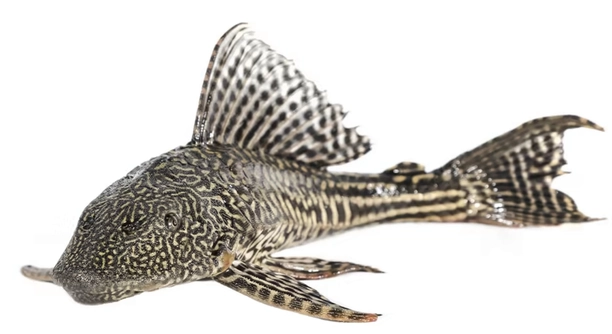
Have you ever set up a peaceful tank only to wonder if your pleco and goldfish can actually live together safely?
Plecos and goldfish can be kept together under specific conditions, but it is not always recommended. Their different environmental needs, behavior, and dietary habits may lead to stress, injury, or poor health if not managed carefully.
It helps to understand their compatibility, tank setup requirements, and feeding needs before deciding to keep them in the same space.
Understanding Plecos and Goldfish Behavior
Plecos are known for their algae-eating habits and prefer staying hidden during the day. They can grow quite large, often needing more space than people realize. Goldfish, on the other hand, are social and active swimmers that produce a lot of waste. While both are freshwater species, their needs don’t always match. Plecos like warmer water, usually around 74–80°F, while goldfish prefer cooler temperatures between 65–72°F. Housing them together means compromising, which may not suit either fish long term. Their temperaments can also clash—some plecos may become aggressive and latch onto goldfish, mistaking their slime coat for food.
When these two species share a tank, issues can arise due to their mismatched care needs, especially if space is limited.
A large, well-filtered tank with plenty of hiding spots and stable water parameters may help reduce stress and avoid potential conflict between your pleco and goldfish.
Tank Size and Setup Tips
A shared tank should be no smaller than 75 gallons to support both fish comfortably.
Give your pleco ample hiding places using driftwood, rocks, or decorations, while keeping the swimming space open for your goldfish. Use smooth substrates to avoid injury and install a strong filtration system to handle heavy waste. Temperature control is important, so aim for a stable range around 72°F. This is a compromise temperature, not ideal for either species but manageable in the short term. Feed them separately—plecos need sinking algae wafers and driftwood, while goldfish thrive on floating pellets and fresh veggies. Never let them compete directly for food. Keep an eye out for signs of stress, such as torn fins, sluggish movement, or discoloration. If any fish shows aggressive behavior or persistent health issues, it’s best to separate them. Proper lighting, regular tank maintenance, and consistent water testing will help keep the environment safer for both species sharing the same aquarium.
Feeding Considerations and Diet Differences
Goldfish are messy eaters and often eat anything in sight, including food meant for plecos. This can lead to nutritional imbalances and aggression during feeding time. Plecos require a diet rich in algae and plant matter, which goldfish typically don’t need.
To avoid conflict, feed plecos after dark when goldfish are less active. Use sinking wafers and place them near hiding areas where plecos feel secure. Goldfish should be fed floating pellets or gel food during the day. Avoid overfeeding, as leftover food can quickly pollute the tank. If your pleco doesn’t get enough food, it may begin sucking on the goldfish, causing stress or injury. Keep their diets separate and observe their feeding behavior regularly. This helps maintain a peaceful environment and ensures both fish stay healthy and well-nourished without competing for meals.
Routine feeding at consistent times can help both fish feel secure and reduce stress over time.
Health and Water Quality Management
Goldfish produce a lot of waste, which can lead to rapid ammonia buildup. This stresses plecos, who are sensitive to poor water conditions. Maintaining clean water is essential for the health of both species in a shared setup.
Perform partial water changes weekly—at least 25%—to keep nitrate levels down. Use a strong, high-capacity filter and test your water regularly for ammonia, nitrites, and pH fluctuations. Avoid sudden temperature changes and always dechlorinate tap water before adding it to the tank. Plecos are more prone to bacterial infections if the water is not consistently clean, and goldfish may experience fin rot or swim bladder issues under poor conditions. Consistent tank upkeep will prevent these problems. Add an air stone to increase oxygen levels and reduce stress in both species. Stable, clean water supports healthier, longer lives for your fish and minimizes behavioral issues caused by environmental stress.
Temperature and Environment Conflicts
Goldfish do best in cooler water, while most plecos prefer warmer conditions. Keeping the temperature around 72°F is a compromise, but it may still cause stress over time, especially for certain pleco species.
Some plecos may become sluggish or more prone to illness in cooler water. Meanwhile, goldfish may overheat if the temperature is too high.
Choosing the Right Pleco Species
If you plan to keep a pleco with goldfish, consider smaller, more peaceful species like the bristlenose pleco. These stay under six inches and tolerate slightly cooler temperatures better than common plecos. Avoid aggressive or larger pleco species, such as sailfin or common plecos, which often outgrow tanks quickly and require warmer water. Also, smaller plecos are less likely to latch onto goldfish. Before adding any pleco, research its care needs and monitor how it behaves around the goldfish. Choosing the right type helps reduce conflict and keeps your tank more balanced and easier to manage long-term.
Signs They Shouldn’t Be Kept Together
Watch for injuries, torn fins, hiding behavior, or constant stress. These are signs the setup may not be working.
FAQ
Can plecos live with goldfish in a small tank?
A small tank can cause stress for both plecos and goldfish. Goldfish need room to swim, and plecos require space to hide and forage. A tank less than 75 gallons makes it difficult to maintain water quality, adding stress to both species. It’s best to use a larger tank to ensure they both have enough space and to reduce the risk of injury or illness. Keeping a pleco in a cramped tank can lead to poor health, while goldfish may become more aggressive or stressed.
What should I do if my pleco is sucking on my goldfish?
If your pleco starts sucking on your goldfish, it could be a sign of stress or hunger. Plecos sometimes latch onto other fish to feed on their slime coat. This can cause injury to the goldfish and stress the pleco. To prevent this, make sure the pleco has enough food. Feed them sinking algae wafers or vegetables to reduce the likelihood of this behavior. If the behavior persists, consider separating them or providing more hiding spots for the pleco to feel secure. It’s also important to monitor their feeding schedule to ensure no competition for food.
How can I provide enough food for both goldfish and plecos?
Goldfish and plecos have different dietary needs, so it’s essential to feed them separately. Goldfish eat a variety of food, including pellets, flakes, and vegetables like peas or lettuce. Plecos, however, prefer algae and plant-based food, including sinking algae wafers and driftwood. Make sure to feed the goldfish during the day and the pleco at night, when the goldfish are less active. This way, they won’t compete for food, and both species get the nutrients they need. Regularly check the tank to ensure all food is eaten and there’s no leftover food to pollute the water.
Can plecos and goldfish share the same filter?
Yes, plecos and goldfish can share the same filter, but it’s crucial to choose a filter that’s powerful enough for both species. Goldfish are high-waste producers, so the filter should be able to handle the load and keep the water clean. Plecos also produce waste, though not as much as goldfish. A strong, efficient filtration system will help maintain water quality and ensure both species stay healthy. Be sure to clean the filter regularly to prevent any blockages and keep the tank water clear and safe for both fish.
How often should I clean the tank if I have plecos and goldfish together?
With plecos and goldfish in the same tank, water changes should be done weekly. This helps manage the high waste production from both species. You should replace about 25-30% of the water every week, keeping the water clean and stable. Regular water testing for ammonia, nitrites, and nitrates is also important to ensure the water quality remains safe. Cleaning the substrate and any decorations will prevent the buildup of excess waste. Be cautious not to disturb the beneficial bacteria in the filter when cleaning. This routine helps both species stay healthy in a shared tank.
Are plecos good for goldfish tanks?
Plecos can be a good addition to a goldfish tank, but only under the right conditions. As long as you choose the right pleco species, provide enough space, and maintain good water quality, they can coexist peacefully. However, if the tank is too small or the water parameters are unsuitable, problems can arise. Plecos can help clean algae, but they should not be relied on for cleaning the tank completely. Both species require regular care and attention to thrive in a shared space.
Can plecos live in cold water like goldfish?
Some pleco species, such as the bristlenose pleco, can tolerate cooler temperatures but still prefer warmer water. Goldfish, on the other hand, do best in cooler water. Keeping the temperature around 72°F is a compromise between both species’ needs, but it’s important to monitor the pleco closely for signs of stress. If the water is too cold for the pleco, it may become sluggish or more prone to illness. A stable temperature range is crucial for both species, and if the pleco shows signs of distress, it may be best to reconsider keeping them together.
What size tank do I need for a pleco and goldfish?
A minimum of 75 gallons is recommended for a pleco and goldfish to live together comfortably. Goldfish need plenty of room to swim, and plecos need hiding spots and space to explore. A larger tank will also make it easier to maintain water quality, which is crucial for both species. If the tank is too small, both fish will feel cramped, which can lead to stress, aggression, and poor health. A well-maintained, spacious tank allows both species to thrive and reduces the risk of conflict between them.
Can plecos and goldfish breed together?
No, plecos and goldfish cannot breed together. They are different species, with different reproductive methods. Plecos are egg-layers and often require specific conditions to breed. Goldfish, also egg-layers, have different environmental and temperature needs that do not match with plecos. They may coexist in the same tank, but their breeding behaviors are separate and will not interfere with each other.
What are the best tank mates for goldfish if plecos aren’t ideal?
If plecos aren’t the right choice for your goldfish tank, consider other peaceful freshwater species that thrive in similar conditions. Some good tank mates for goldfish include snails, shrimp, and certain types of tetras. These species generally have compatible water temperature and behavior requirements, ensuring a more peaceful environment. Always ensure that the tank mates do not compete for food or space and that water parameters are suitable for all species.
Final Thoughts
Keeping plecos with goldfish can work, but it requires careful attention to their individual needs. Goldfish do best in cooler water, while plecos often prefer warmer conditions. Finding the right balance is key, but it’s essential to remember that not all plecos are suited for a goldfish tank. The type of pleco you choose can make a big difference in how well they coexist with goldfish. Smaller species like bristlenose plecos tend to do better in cooler water compared to larger plecos, which may struggle in the same environment.
It’s important to monitor your tank regularly to make sure both species are healthy. This includes checking water parameters such as temperature, pH, and ammonia levels. Regular maintenance, such as weekly water changes and ensuring your filtration system is strong enough to handle both species’ waste, is also crucial. Stress is a major factor that can lead to health problems, so it’s vital to watch for signs like lethargy or aggression. If either species shows signs of stress or discomfort, you may need to adjust the setup, whether that means changing the water temperature or adding more hiding spots.
Ultimately, while it’s possible to keep plecos and goldfish together, success depends on providing the right environment and enough space for both. A larger tank is always a better choice, as it gives both species room to move freely. By selecting the right pleco species, keeping the water conditions stable, and watching for any signs of distress, you can create a peaceful tank where both goldfish and plecos thrive. If issues arise, it may be necessary to reconsider tank mates or adjust the environment to ensure the health and happiness of both fish.

Hello,
If you enjoy the content that we create, please consider saying a "Thank You!" by leaving a tip.
Every little bit helps us continue crafting quality advice that supports the health, happiness, and well-being of pets around the world, for pets of all shapes, sizes, and species.
We really appreciate the kindness and support that you show us!