
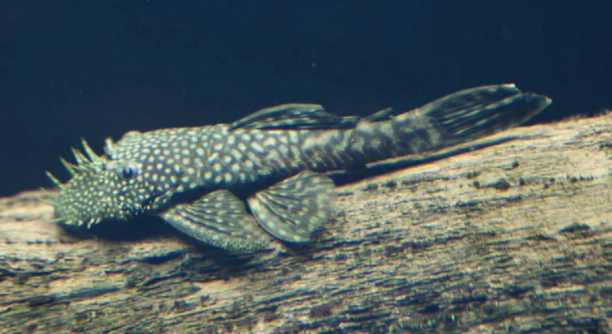
Plecostomus fish are popular aquarium inhabitants, known for their algae-eating habits. However, certain foods can be harmful to their health. Knowing what to avoid feeding them can help keep your fish happy and thriving in their environment.
Several foods that are toxic to Plecostomus fish include citrus fruits, garlic, chocolate, and high-fat items. These can cause digestive issues, organ failure, or even death. It’s crucial to avoid feeding these foods to maintain their health.
Understanding which foods to avoid is essential for your Plecostomus fish’s well-being. Proper feeding ensures their long-term health and prevents dangerous health issues.
1. Foods That Should Never Be Fed to Plecostomus Fish
Plecostomus fish are commonly known for their ability to keep aquariums clean by eating algae. However, their diet requires special attention. Some foods that are safe for other aquarium fish can be harmful to Plecostomus. For example, high-fat foods like processed meats can lead to obesity and other health problems. Feeding Plecostomus fish foods that are too rich can also result in digestive issues, making them less active and affecting their overall health. Many fish owners may not realize that certain seemingly harmless foods can pose a serious threat to these bottom dwellers.
Certain vegetables, such as peas, may be safe for Plecostomus but only in moderation. Overfeeding can cause digestive distress and negatively affect their metabolism. The key is providing a balanced diet with foods that suit their specific needs.
Feeding Plecostomus the right foods also contributes to their longevity. Giving them a varied diet of algae wafers, vegetables, and occasional protein sources is essential. These fish thrive on such food types, maintaining their health and appearance. Avoid foods like chocolate, citrus, or anything processed, as they may cause irreversible damage. Always research or ask an expert before introducing new foods to your fish.
2. Common Foods to Avoid
Garlic, often recommended as a supplement for fish health, can be harmful to Plecostomus in large amounts.
Garlic can cause damage to a Plecostomus’s digestive system and lead to health problems. While some fish may benefit from garlic in small doses, Plecostomus fish are more sensitive to its compounds. It’s better to avoid feeding them garlic altogether. Instead, opt for safer, more appropriate foods that align with their natural diet.
3. The Dangers of Feeding Plecostomus Fish Processed Meats
Processed meats such as bacon or deli cuts are not suitable for Plecostomus. These foods are high in fat and preservatives, which can negatively impact their health. Feeding processed meats can lead to obesity, liver issues, and other metabolic disorders. It’s important to stick to a natural diet designed for bottom-dwelling fish.
Processed meats contain too many chemicals and unhealthy fats, which are not part of a Plecostomus’s natural diet. Over time, these unhealthy foods may cause bloating, lethargy, and even organ failure. Plecostomus fish need a diet that focuses on plant matter, algae, and occasional protein sources that mimic their natural food sources.
Offering processed meats can severely affect their digestive system. The high-fat content can clog their intestines, making it difficult for them to absorb nutrients properly. Avoid these foods altogether, as they can shorten your fish’s lifespan and compromise their overall well-being. Always choose foods that align with their specific nutritional needs.
4. Citrus Fruits and Their Impact on Plecostomus
Citrus fruits, such as oranges and lemons, are toxic to Plecostomus fish.
These fruits contain acids and compounds that disrupt the digestive system of these fish. Plecostomus are not equipped to process such acidic substances, and consuming citrus can lead to stomach issues, nausea, and possible internal damage. Instead of citrus, consider offering vegetables like zucchini or spinach.
Citrus fruits are often avoided in many types of aquarium diets. They can cause discomfort for Plecostomus, which leads to stress and potentially deadly health conditions. It’s safer to provide other natural foods, such as aquatic plants or algae, which are more in line with their feeding habits.
5. Avoid Chocolate at All Costs
Chocolate contains theobromine, which is highly toxic to Plecostomus. Even small amounts can cause serious health issues, including heart problems and digestive distress. It’s essential to keep chocolate and any foods containing it away from your fish to prevent poisoning.
Plecostomus cannot process theobromine, making chocolate extremely harmful. Symptoms of chocolate poisoning include erratic swimming, lethargy, and even death. Stick to fish-safe foods and always check labels to ensure your Plecostomus is only eating what’s safe for them.
6. High-Fat Foods and Plecostomus Health
High-fat foods are detrimental to Plecostomus. These fish require a diet that is low in fat, with a focus on plant-based foods and occasional protein. Too much fat leads to obesity and poor digestion.
Feeding Plecostomus excessive fatty foods can result in serious health complications. In the wild, their diet consists mainly of algae and small invertebrates, which are low in fat. Providing high-fat foods at home can damage their organs and lead to early death. Always opt for foods designed for their dietary needs.
FAQ
Can Plecostomus eat cucumber?
Yes, Plecostomus can eat cucumber. It’s a great vegetable to add to their diet, as long as it’s prepared correctly. Remove the skin to make it easier for them to consume, and make sure it’s cut into small pieces. Cucumber is low in fat and rich in water, making it an ideal addition for hydration and digestion. However, it should be given in moderation to avoid overfeeding.
Is it safe to feed Plecostomus fruits?
Fruits should be fed sparingly. While some fruits like melons and berries can be offered occasionally, they should not make up a significant portion of their diet. Avoid citrus fruits entirely, as they can cause harm to your Plecostomus. Stick to fruits that are low in sugar and avoid anything that can upset their stomachs or lead to obesity. Always remove any seeds or pits that could pose a choking hazard.
How often should I feed my Plecostomus?
Plecostomus are bottom feeders and generally graze throughout the day. You should feed them once or twice a day, offering small portions that they can finish within a few hours. Overfeeding can lead to water contamination and health issues for your fish. Monitor how much they eat and adjust feeding schedules accordingly to keep their diet balanced.
Can Plecostomus eat algae wafers?
Algae wafers are a great option for Plecostomus. They are designed specifically for bottom-dwelling fish and provide a good source of nutrition. These wafers should be used as a staple in their diet, along with occasional vegetables or protein sources. Make sure the algae wafers are fresh and check the ingredients to ensure they don’t contain harmful additives.
Are bloodworms safe for Plecostomus?
Bloodworms are safe for Plecostomus in moderation. They provide a good protein source and can be offered once or twice a week. However, they should not be the primary food. Overfeeding protein-rich foods like bloodworms can cause digestive issues and may affect your fish’s long-term health. Always balance bloodworms with vegetables and algae-based foods.
Should I feed Plecostomus live food?
Live food like brine shrimp or daphnia can be offered to Plecostomus, but it should be done occasionally. While live food can stimulate their natural hunting instincts, it should never replace their primary diet of algae and plant-based foods. Live foods can also carry parasites, so it’s important to source them from reputable suppliers to ensure they are safe for your fish.
Can Plecostomus eat lettuce?
Lettuce can be fed to Plecostomus, but it should be given in moderation. Romaine lettuce is the best type to offer, as it’s low in nutrients and won’t upset their digestive system. Avoid iceberg lettuce, as it provides little nutritional value and can cause digestion problems. Always wash the lettuce thoroughly before feeding and remove any remaining pieces after a few hours.
How do I prepare vegetables for my Plecostomus?
Vegetables should be washed thoroughly and cut into manageable pieces before feeding your Plecostomus. Some vegetables, like zucchini, require blanching to soften them, while others, like cucumber, can be fed raw. Make sure to remove any seeds or skin that may be difficult for them to digest. Offer vegetables in small amounts to ensure they can consume them all and avoid excess food in the tank, which could affect water quality.
What happens if I overfeed my Plecostomus?
Overfeeding can lead to a number of health issues for Plecostomus. Excess food will decompose in the tank, causing an increase in ammonia levels and potentially leading to water contamination. Overfeeding can also cause obesity, digestive problems, and stress. It’s important to only feed your fish what they can consume in a few hours and to adjust their portions accordingly to maintain a healthy environment.
Can Plecostomus eat shrimp pellets?
Shrimp pellets are safe for Plecostomus in moderation. These pellets provide a good protein source and can be used as a supplement to their primary diet. However, like any protein-based food, they should be given sparingly to avoid digestive issues. Always ensure that the pellets are formulated for bottom-dwelling fish to meet their nutritional needs.
Are frozen foods okay for Plecostomus?
Frozen foods like brine shrimp or daphnia can be fed to Plecostomus, but it’s important to thaw them before offering them to your fish. Frozen foods can be an occasional treat, but they should not make up the bulk of their diet. Always choose frozen foods that are free from additives and preservatives to ensure the health of your Plecostomus.
What vegetables can I feed my Plecostomus?
Plecostomus enjoy a variety of vegetables, such as zucchini, spinach, peas, and sweet potatoes. These vegetables provide essential vitamins and minerals that help keep your fish healthy. It’s important to rotate the types of vegetables you offer to ensure they get a balanced diet. Always cut the vegetables into small pieces for easy consumption.
Can Plecostomus eat peas?
Peas are a great option for Plecostomus, as they are high in fiber and help with digestion. You can offer frozen peas that have been thawed and peeled. However, they should be fed in moderation as too many peas can lead to constipation or digestive problems. Keep the portion small and rotate with other vegetables.
Can Plecostomus eat bread?
Bread is not a good choice for Plecostomus. It contains yeast and gluten, which are difficult for them to digest. Feeding bread can lead to bloating, digestive issues, and may even affect their long-term health. Avoid offering bread or any similar bakery items to your fish, as it can cause more harm than good.
Can I feed my Plecostomus beef heart?
Beef heart is not suitable for Plecostomus. While it’s rich in protein, it’s too fatty and can lead to health issues. A diet rich in fat can cause obesity and heart problems for Plecostomus, so it’s better to stick to fish-specific food that matches their nutritional needs, such as algae wafers or plant-based options.
Can Plecostomus eat carrots?
Carrots can be offered to Plecostomus, but they should be cut into small, manageable pieces. It’s best to blanch the carrots to soften them, making them easier for your fish to eat. Carrots are low in fat and high in vitamins, but they should only be fed occasionally as part of a balanced diet.
What is the best diet for Plecostomus?
The best diet for Plecostomus includes algae-based foods, such as algae wafers or pellets, as well as fresh vegetables like zucchini, spinach, and peas. Occasional protein sources, such as bloodworms or shrimp pellets, can be given but should not make up the bulk of their diet. A well-balanced diet is key to ensuring their long-term health.
Final Thoughts
Plecostomus fish are hardy creatures that thrive when given the proper care and diet. Providing the right foods is crucial for their health and well-being. While Plecostomus are known for being bottom feeders, it’s essential to understand what foods they can and cannot safely consume. Feeding them the right types of vegetables, algae-based foods, and occasional protein is key to their growth and longevity. Avoiding foods that are toxic or too high in fat will help prevent health problems and keep them thriving in your aquarium.
It’s also important to monitor your Plecostomus’ diet closely and avoid overfeeding. Overfeeding can lead to water quality issues and health complications like obesity and digestive problems. Always remove any uneaten food after a few hours to keep the tank clean and prevent the growth of harmful bacteria. Plecostomus do well with a balanced diet, so it’s best to offer them a variety of safe foods. This will ensure they receive all the necessary nutrients for optimal health without any risk of overfeeding.
In the end, keeping Plecostomus healthy is about understanding their natural needs and providing a diet that mirrors what they would consume in the wild. By being mindful of what you feed them and ensuring their tank environment is clean and safe, you will be able to enjoy the beauty and peaceful nature of these fish for years to come. With the right care and attention to their diet, Plecostomus will remain a fascinating and healthy addition to your aquarium.

Hello,
If you enjoy the content that we create, please consider saying a "Thank You!" by leaving a tip.
Every little bit helps us continue crafting quality advice that supports the health, happiness, and well-being of pets around the world, for pets of all shapes, sizes, and species.
We really appreciate the kindness and support that you show us!