
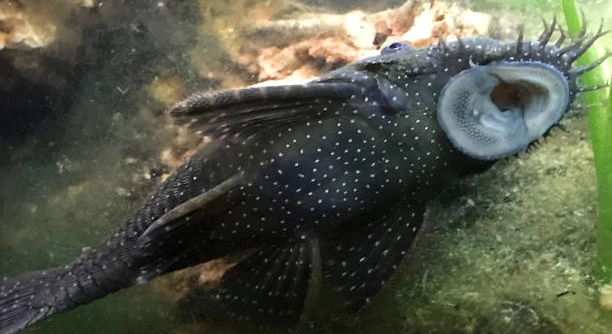
Plecos are a popular choice for aquarium owners looking to add both beauty and function to their tanks. These fascinating fish are known for their unique appearance and helpful nature in maintaining aquarium health.
Plecos offer several benefits for aquariums. They help control algae growth, reduce waste, and provide a unique visual appeal. Their ability to thrive in various tank environments makes them an ideal addition to many aquarium setups.
They not only contribute to a cleaner tank but also bring a unique charm to your aquarium. The next sections explore the benefits of adding a pleco to your setup.
1. Algae Control
Plecos are well-known for their ability to reduce algae growth in aquariums. Their diet primarily consists of algae, making them effective natural cleaners. This helps maintain clear water and prevents algae from overwhelming tank surfaces. Without plecos, aquarium owners often struggle with constant algae buildup, leading to increased maintenance.
They use their specialized mouths to scrape algae from tank decorations, plants, and glass surfaces. This action helps keep everything looking clean and fresh. By adding a pleco to your tank, you reduce the need for chemical treatments and minimize the amount of time spent cleaning.
Plecos are also beneficial in larger tanks, where algae can quickly spread. Their consistent algae consumption prevents it from taking over your aquarium. This contributes to a healthier environment for all other tank inhabitants, including fish and plants. The more diverse your tank’s ecosystem, the more valuable a pleco becomes as an algae-eating member.
2. Waste Reduction
Plecos can be crucial in reducing waste in your aquarium. They help by eating leftover food and detritus.
This cleanup role makes them highly beneficial for tank maintenance. By consuming leftover food, plecos keep your aquarium cleaner and healthier. Their waste consumption ensures a balanced environment, benefiting all aquatic life.
3. Low Maintenance
Plecos are relatively low-maintenance, making them an easy addition to any aquarium. They don’t require complex care routines and can adapt to various tank conditions.
Their ability to thrive in a wide range of environments, from tropical to subtropical, makes them versatile. They can live in both freshwater and slightly brackish tanks. Once introduced, they usually keep to themselves, spending most of their time feeding and exploring their surroundings. This low-maintenance nature makes them a popular choice for both beginners and experienced aquarium keepers.
Despite their minimal care needs, plecos do need a clean tank with good filtration. Regular water changes and maintenance ensure they remain healthy and active. These fish generally don’t need special diets beyond algae and some supplemental foods, keeping your feeding routine simple.
4. Unique Appearance
Plecos stand out with their distinctive appearance. Their armored body and unique shape make them a visual asset to any aquarium.
The combination of their tough, spiny body and their large, suction-cup-like mouth gives them an interesting, almost prehistoric look. Many varieties of plecos, like the common pleco and the bristlenose pleco, also come in different colors and patterns. Their fascinating appearance adds a touch of character to your tank. Some species grow to impressive sizes, further enhancing their visual impact.
Their natural ability to blend into rock and wood structures makes them both functional and decorative in an aquarium. Plecos can create a more dynamic and textured aesthetic by utilizing different tank elements. Their unique design can add depth and visual interest to an otherwise simple setup.
5. Peaceful Behavior
Plecos are generally peaceful and non-aggressive, making them suitable for a community tank. They tend to keep to themselves, focusing on feeding and exploring.
Their calm nature means they won’t bother other fish, even those of different sizes. They can coexist with a wide variety of species, from small tetras to larger cichlids, without causing harm.
6. Long Lifespan
Plecos have a long lifespan, often living up to 10 to 15 years in a well-maintained tank.
This long life makes them a reliable companion for your aquarium setup. With the proper care, they can remain part of your tank’s ecosystem for years, providing continuous benefit and enjoyment.
7. Easy to Feed
Feeding plecos is simple. They primarily eat algae, but they can also accept supplemental foods like wafers, vegetables, and occasional protein.
Their natural diet is mostly algae, so they require very little additional food. A balanced diet helps ensure they stay healthy, especially in tanks where algae isn’t abundant.
FAQ
How big do plecos get?
Plecos vary in size depending on the species. Common plecos can grow up to 18 inches, while smaller types, like the bristlenose pleco, typically reach around 4 to 6 inches. Tank size and conditions can influence growth, but most plecos will grow to the size their environment allows. Larger species should be kept in bigger tanks to accommodate their size.
What do plecos eat?
Plecos are primarily algae eaters. They graze on algae that grows on tank surfaces, including decorations and plants. However, they also require supplemental food, such as algae wafers, cucumber, zucchini, and occasionally protein-rich foods like bloodworms. It’s essential to offer a variety of foods to ensure they stay healthy.
Can plecos live with other fish?
Yes, plecos are peaceful and can live with a wide range of other fish. They’re often placed in community tanks because they do not actively hunt or chase other species. Plecos usually keep to themselves, feeding on algae and other debris. However, larger plecos may become territorial with other bottom dwellers.
Do plecos need a lot of space?
Plecos do need ample space, especially larger species. While smaller species can thrive in tanks as small as 20 gallons, larger species, like the common pleco, require tanks of 75 gallons or more. Providing plenty of space for swimming and hiding areas helps ensure their well-being.
How often should I clean my pleco’s tank?
Cleaning frequency depends on tank size, the number of fish, and the filtration system. Generally, you should perform partial water changes every 1 to 2 weeks to maintain water quality. Regularly cleaning substrate and removing excess waste will keep your pleco’s environment healthy.
Are plecos good for beginners?
Plecos are often recommended for beginners due to their low-maintenance nature. They are hardy and can tolerate a range of water conditions. However, beginners should be aware of their size, feeding requirements, and tank space needs. Starting with smaller species, like the bristlenose pleco, can make care easier.
Can plecos live without a filter?
Plecos can technically survive without a filter, but it is not advisable. A filter helps maintain water quality by removing waste and excess nutrients. Without one, the water quality can quickly decline, leading to potential health issues for your pleco and other tank inhabitants.
What kind of water do plecos need?
Plecos generally prefer slightly acidic to neutral water, with a pH range of 6.5 to 7.5. They also thrive in temperatures between 72 to 82 degrees Fahrenheit. Maintaining consistent water parameters is crucial to keeping plecos healthy and stress-free.
Why is my pleco not eating?
If your pleco isn’t eating, it could be due to water quality issues, stress, or illness. First, check the tank’s water parameters, as poor water quality can affect their appetite. Also, ensure there’s enough algae or supplemental food for them to eat. If the issue persists, consult a veterinarian.
How do I know if my pleco is healthy?
A healthy pleco is active, has clear eyes, and swims freely. They should have a clean, unblemished body with no signs of discoloration or lesions. If your pleco is lethargic, refuses food, or shows abnormal behavior, it may be a sign of health issues that require attention.
Do plecos need a heater?
Plecos do best in heated water, especially if you’re keeping them in colder environments. A heater is not strictly necessary if you live in a warm climate, but most plecos prefer water temperatures between 72 to 82 degrees Fahrenheit. Using a heater helps maintain a stable environment for your fish.
Can plecos live with shrimp?
Plecos and shrimp can often coexist peacefully, especially if the pleco is a smaller species like the bristlenose. However, larger plecos may see small shrimp as food, so it’s essential to consider the species before adding them together. Providing plenty of hiding spaces helps protect the shrimp.
How can I encourage my pleco to eat more?
To encourage your pleco to eat more, offer a variety of foods, including vegetables like zucchini, cucumber, and spinach, as well as algae wafers. Make sure they have access to enough algae in the tank. If your pleco refuses food, it could be a sign of stress or water quality issues.
Do plecos require special lighting?
Plecos do not require special lighting, but they do appreciate a dimly lit tank with plenty of hiding spots. Bright, constant lighting can stress plecos, as they are nocturnal and prefer low-light environments. Use lighting that mimics their natural habitat for optimal comfort.
Can plecos reproduce in a home aquarium?
While it’s possible for plecos to breed in home aquariums, it’s not always straightforward. Plecos typically breed in caves or crevices, where the female lays eggs and the male fertilizes them. Maintaining stable water conditions, providing suitable breeding sites, and a proper diet can encourage breeding.
What should I do if my pleco is too big for my tank?
If your pleco has outgrown its tank, it’s important to either upgrade to a larger tank or find a new home for it. Many aquarium stores or local fish clubs may offer to take larger plecos. If left in a too-small tank, the pleco could become stressed or unhealthy.
Are plecos nocturnal?
Yes, plecos are mostly nocturnal. They tend to feed and be most active during the night. It’s normal for them to hide during the day and come out in the evening or at night when the lighting is dim. This behavior mimics their natural habitat.
Final Thoughts
Plecos are an excellent addition to any aquarium. Their ability to clean up algae and keep the tank tidy makes them a valuable companion for other fish. Not only do they help maintain a clean environment, but they also add a unique look with their armored bodies and peaceful nature. Whether you are a beginner or an experienced aquarium keeper, plecos offer benefits that suit various needs.
When considering a pleco, it’s important to keep in mind their growth potential and space requirements. Some species, like the common pleco, can grow quite large and may need a bigger tank to thrive. Smaller species, such as the bristlenose pleco, can be a better option for tanks with limited space. Regardless of the type, ensuring proper water conditions and providing adequate food are essential for their well-being.
Ultimately, plecos are a low-maintenance yet rewarding fish to keep. Their peaceful behavior and cleaning abilities make them a great choice for many aquarium setups. If you’re looking to add a fish that helps maintain water quality while being a calm presence in your tank, a pleco could be the right choice.

Hello,
If you enjoy the content that we create, please consider saying a "Thank You!" by leaving a tip.
Every little bit helps us continue crafting quality advice that supports the health, happiness, and well-being of pets around the world, for pets of all shapes, sizes, and species.
We really appreciate the kindness and support that you show us!