
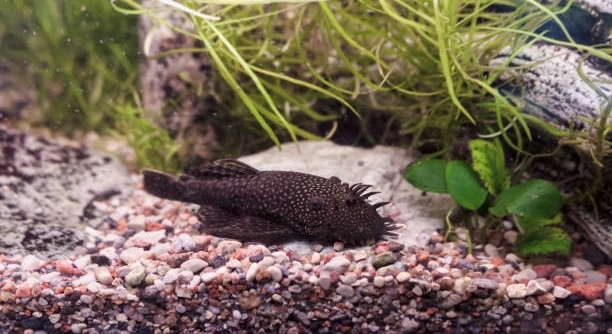
Plecostomus, often known as “suckermouth catfish,” are popular aquarium fish. Their maintenance needs and behaviors are important to consider for fish owners, especially when it comes to water quality.
Plecostomus are generally not known to make the water cloudy, but their waste production can contribute to water quality issues. Regular maintenance, such as cleaning the tank and performing water changes, is essential for preventing cloudiness.
Proper care and regular tank cleaning can keep the water clear, helping you enjoy your fish tank with ease.
Factors Affecting Water Clarity in Your Aquarium
Maintaining clear water in an aquarium can be challenging, even with the best filtration systems. While Plecostomus are often credited with helping to keep tanks clean, their waste and the debris they disturb can contribute to cloudiness. They eat algae and organic matter, which can break down and release particles into the water. Over time, these particles may accumulate, resulting in murky water. If not regularly cleaned, the tank can start to show signs of cloudiness, impacting both the water quality and the health of other aquatic inhabitants. Regular water changes, proper filtration, and cleaning of the substrate are key to maintaining a clean tank.
Frequent water testing can help you monitor the levels of toxins like ammonia and nitrates, which contribute to cloudiness. The right balance of filtration and maintenance prevents this buildup from becoming a problem.
While Plecostomus might be helpful in some ways, they don’t entirely prevent algae overgrowth or debris accumulation. A filtration system should be designed to work with the fish’s needs, especially considering the high waste output of these fish. The size of your tank and the number of other fish are also important factors. Regularly cleaning the filter and adjusting the water parameters can help maintain balance and clarity.
Preventing Cloudiness with Proper Tank Maintenance
Tank maintenance is crucial for keeping the water clear and healthy for all your fish. Regular water changes and debris removal will make a significant difference. Cleaning the filter media and checking the filtration system ensures that it is working properly and efficiently.
The right balance of biological and mechanical filtration can prevent excessive buildup of waste. A healthy tank environment requires consistent care.
Plecostomus Waste and Its Impact
Plecostomus produce a considerable amount of waste, which can affect water clarity. As they feed on algae and leftover food, the debris they leave behind can cause particles to float in the water. This organic material can contribute to cloudy water if not regularly removed.
Their waste can quickly degrade into ammonia, nitrites, and nitrates, which can be harmful to the tank’s ecosystem. These compounds can cloud the water and create unhealthy conditions for other fish. Ensuring the tank is well-maintained and the filter is functioning properly can help manage waste accumulation.
Additionally, Plecostomus may disturb the substrate while scavenging for food, further releasing particles into the water. Without proper filtration, the buildup of waste can create an imbalanced environment, leading to persistent water cloudiness. Regular cleaning and water changes help control the spread of these particles and maintain a healthy habitat for your aquatic life.
Filtration Systems for Clear Water
A good filtration system is essential for controlling water quality. With a Plecostomus in the tank, you need a filter that can handle the waste these fish produce. A filter with both mechanical and biological filtration ensures that debris and toxins are efficiently removed from the water.
Mechanical filters remove solid particles like waste and food debris, while biological filters help break down harmful substances. When combined, these filters create a cleaner and healthier environment. For a Plecostomus tank, consider using a high-quality filter with a higher flow rate to ensure that the system can handle the load.
Choosing the right filtration system depends on the size of your tank and the number of fish you have. It’s important to regularly clean the filter and change the media to keep the system running smoothly. A well-maintained filter will go a long way in preventing cloudy water and maintaining clear, healthy water for your fish.
The Role of Algae in Cloudy Water
Algae can contribute to water cloudiness, especially when there’s an excess of nutrients like nitrates in the tank. Plecostomus help by eating algae, but they can’t completely prevent its growth. Regular cleaning and proper lighting can help control algae buildup and reduce cloudiness.
Excessive algae growth can still occur in the tank, even with a Plecostomus present. This usually happens when the tank is overfed or when nutrient levels become imbalanced. Algae thrive in tanks that have high amounts of light and nutrients, so controlling feeding habits and limiting light exposure can prevent algae from taking over.
Proper water changes and the use of algae-eating companions can also help manage this issue. However, the most effective way to control algae is by preventing the conditions that encourage its growth. The clearer the water, the healthier the environment for your fish.
Water Changes and Regular Maintenance
Water changes are essential for keeping the tank water clear. Regularly changing a portion of the water helps dilute waste and remove particles that cloud the water. Aim for small, frequent water changes to maintain a consistent environment for your fish.
Routine maintenance, such as cleaning the substrate and removing excess food, plays a crucial role in water clarity. Keeping the tank clean and performing water changes on schedule will ensure a healthier habitat.
The Impact of Overfeeding
Overfeeding your Plecostomus can lead to cloudy water. Leftover food decomposes quickly, increasing organic waste in the tank. Plecostomus won’t always eat all the food provided, which can lead to excess nutrients that contribute to water cloudiness.
Feeding your Plecostomus only what they can consume within a few minutes is key to preventing waste buildup.
FAQ
Why is my Plecostomus making my tank cloudy?
Plecostomus may not directly cause cloudy water, but their waste can contribute to it. These fish produce a significant amount of waste, which can break down and release particles into the water. If not cleaned regularly, these particles can cloud the water. Additionally, Plecostomus help with algae control, but the algae they consume can still break down and release organic material into the tank. Proper filtration and regular maintenance are necessary to prevent this issue.
How often should I change the water in my tank to prevent cloudiness?
Water changes should be done regularly to maintain water quality and prevent cloudiness. It’s recommended to change about 20-30% of the water every week. For heavily stocked tanks or tanks with high waste production, such as those with Plecostomus, more frequent changes might be needed. If you notice cloudiness developing, more frequent water changes can help dilute the waste and clear the water faster. Regular water testing will also help you determine when changes are needed.
Can Plecostomus live in a tank with cloudy water?
Plecostomus can survive in cloudy water, but it’s not ideal for their health. Cloudy water often indicates poor water quality, which can lead to stress and potential health issues for your fish. Cloudiness may be caused by excess organic waste, high ammonia, or low oxygen levels. Over time, poor water quality can weaken the immune system of your Plecostomus and other fish in the tank. It’s important to address the cause of the cloudiness to ensure a healthier environment.
Do Plecostomus need a filter to keep the water clear?
Yes, a good filtration system is essential for maintaining clear water, especially in tanks with Plecostomus. These fish produce significant waste, and a filter helps remove particles and break down harmful substances like ammonia and nitrates. The filter should be appropriate for the tank size and fish load to ensure it can handle the waste produced. Without proper filtration, organic matter will build up in the water, leading to cloudiness. Regular cleaning and maintenance of the filter are equally important.
Can I reduce water cloudiness by using a UV sterilizer?
A UV sterilizer can help reduce water cloudiness caused by free-floating algae or bacteria. It works by using ultraviolet light to kill microorganisms that cause the water to appear murky. However, a UV sterilizer will not address the underlying issues that lead to cloudy water, such as excess waste or poor filtration. It can be a helpful addition, but it should be used alongside regular tank maintenance and water changes for the best results.
Is it safe to add more Plecostomus to a tank to clear cloudy water?
Adding more Plecostomus will not clear cloudy water. These fish are not a solution to water clarity issues. While they help control algae, they cannot prevent the buildup of organic matter and waste that contributes to cloudiness. Adding more fish to an already overstocked tank can actually worsen the problem by increasing waste levels. It’s better to focus on improving filtration, performing regular water changes, and monitoring feeding habits to keep the water clear.
How do I prevent cloudy water caused by algae?
Preventing algae-related cloudiness involves controlling the nutrients that algae thrive on, such as excess light and nutrients like nitrates. To control algae, limit the amount of time your tank lights are on—8 to 10 hours a day is sufficient. Reduce overfeeding, as excess food leads to an increase in nitrates. Regularly clean the substrate and remove algae build-up from the tank walls. Adding live plants can help absorb excess nutrients and outcompete algae. Regular water changes are also crucial for keeping algae growth in check.
Can Plecostomus help with algae growth?
Yes, Plecostomus are often added to tanks for their algae-eating habits. They help reduce the buildup of algae by grazing on it. However, they won’t eliminate algae entirely. Plecostomus primarily eat soft algae but may not consume tougher varieties. Additionally, they may not keep algae growth under control if nutrient levels, such as nitrates, are high. While they can help manage algae, relying solely on them won’t prevent cloudiness caused by other factors, such as overfeeding or insufficient filtration.
Should I adjust my tank lighting to reduce cloudiness?
Yes, lighting plays a significant role in algae growth. Excess light can fuel algae blooms, leading to cloudy water. If you notice algae growth, it’s a sign that your lighting may be too intense or on for too long. Reducing the amount of time the tank lights are on each day can help manage algae levels. Using a timer to regulate light exposure to 8-10 hours a day is a good strategy. Also, consider using a dimmer light or low-wattage bulbs to limit algae growth.
How can I maintain water clarity without adding chemicals?
Maintaining water clarity without chemicals involves good tank maintenance practices. Regular water changes, proper filtration, and routine cleaning of the tank are key. Monitor feeding habits to prevent overfeeding, which can lead to waste accumulation. Ensure that your filtration system is properly sized for your tank and is functioning well. If algae is an issue, reduce lighting and introduce live plants to help balance the tank’s ecosystem. These natural methods can keep your water clear without the need for chemicals.
Final Thoughts
Keeping a clean and clear aquarium requires attention to several factors, including proper filtration, regular water changes, and appropriate feeding practices. While Plecostomus are known for helping with algae control, they are not a solution to all water clarity issues. Their waste, along with leftover food and organic matter, can contribute to cloudy water if not managed properly. Regular maintenance is essential to keep the water quality in check and prevent cloudiness from developing.
It’s important to remember that cloudy water is often a sign of an imbalance in the tank, whether it’s from excess waste, overfeeding, or algae growth. Addressing the root causes of cloudiness, such as controlling feeding habits, maintaining a proper filtration system, and reducing excess nutrients, will go a long way in ensuring clear water. While adding a UV sterilizer or additional Plecostomus may seem like a quick fix, these measures only address the symptoms rather than the underlying problem. A more sustainable approach includes consistent maintenance and monitoring.
Ultimately, maintaining a healthy aquarium environment benefits both the Plecostomus and other tank inhabitants. By staying on top of water quality, providing the right amount of food, and keeping the tank clean, you can enjoy a clearer, healthier aquatic space. Understanding the role of each element in your tank, from filtration to algae control, allows for better long-term results. With the right practices, cloudy water can be kept at bay, leading to a more enjoyable and stable aquarium environment.

Hello,
If you enjoy the content that we create, please consider saying a "Thank You!" by leaving a tip.
Every little bit helps us continue crafting quality advice that supports the health, happiness, and well-being of pets around the world, for pets of all shapes, sizes, and species.
We really appreciate the kindness and support that you show us!