
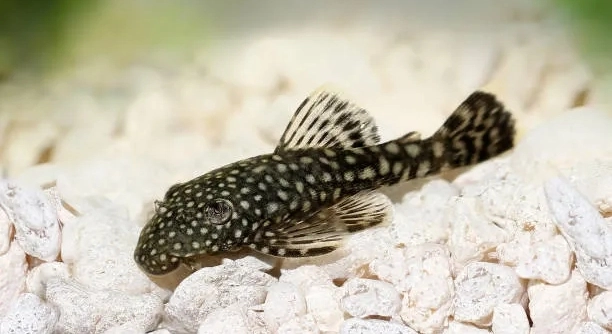
Plecos are unique and fascinating fish, but maintaining a healthy tank environment requires careful attention to what goes into it. Certain items can cause more harm than good, even if they seem like harmless additions.
There are several things to avoid adding to pleco tanks, such as certain types of substrates, decorations, and foods. Overcrowding with inappropriate items can negatively affect water quality and your pleco’s well-being, leading to stress and health issues.
Knowing what not to add can ensure a healthier environment for your pleco. Proper choices benefit their overall health and the tank’s stability.
Avoiding Inappropriate Substrates
When setting up a pleco tank, choosing the right substrate is crucial. Not all types of gravel or sand are suitable for plecos. Sharp-edged rocks can hurt their delicate fins and bellies. Likewise, substrates that are too fine may cause problems with water filtration. Plecos are bottom dwellers, so they often spend time on the tank floor, scraping surfaces for algae. A substrate that’s too rough or not stable enough could lead to stress and injuries. Smooth, rounded pebbles or specially designed aquarium sands are ideal. They allow plecos to move comfortably without harming their bodies.
Keep in mind that the wrong substrate can impact your tank’s overall water quality. If the substrate isn’t ideal, cleaning becomes more difficult, and debris can build up, affecting the entire ecosystem. Always choose one that is safe for both your pleco and the tank environment.
By selecting a proper substrate, you help maintain a stable habitat for your pleco to thrive.
Avoid Excessive Decorations
Avoiding excessive or overly complex decorations is essential. Too many items can crowd the tank, leaving little space for your pleco to move. This can create stress and make it harder for the fish to find food or comfortable hiding spots.
Decorations should be simple and functional, offering areas to hide but not crowding the tank. Plecos enjoy a safe, quiet space where they can feel secure. Using decorations that are smooth and without sharp edges ensures safety, avoiding any injuries from accidents.
Avoid Feeding Plecos Inappropriate Foods
Plecos are often fed algae wafers, but not all foods are suitable for them. Processed fish food and human food, like lettuce or bread, can harm them. These foods lack essential nutrients, leading to malnutrition. A balanced diet for plecos includes algae, vegetables, and occasional protein.
Feeding plecos the wrong foods can lead to poor digestion and imbalanced nutrition. They need fresh, algae-rich food or vegetables such as zucchini, cucumber, and spinach. Overfeeding processed food can also lead to excessive waste, degrading water quality. Be sure to remove any uneaten food promptly to prevent it from affecting the tank’s environment.
Inappropriate foods lead to more than just poor health—they also create more work for you. Leftover food decomposes, which lowers water quality. If you want a healthy pleco, focus on feeding only appropriate foods that match their dietary needs.
Avoid Using Strong Chemicals
Using harsh chemicals in your pleco tank can damage both the fish and the tank’s balance. Strong cleaning products, chlorine, and certain water treatments may seem like an easy fix, but they often do more harm than good. Always use fish-safe products when cleaning or adjusting water conditions.
Chemical additives can disrupt the beneficial bacteria in the tank. These bacteria are vital for maintaining water quality. If the balance of bacteria is off, it can result in poor water conditions and unhealthy fish. Stick to natural methods to clean and maintain your tank, such as using aquarium-safe algae removers or filter cleaning.
Too many chemicals will harm the long-term health of your pleco and make it harder to maintain a stable tank. Keep things natural and simple to ensure your pleco thrives.
Avoid Overcrowding the Tank
Overcrowding a pleco tank can lead to serious problems. Too many fish create stress, poor water quality, and reduced oxygen levels. Plecos need space to swim and thrive, so maintaining the right tank size is crucial.
If the tank is overcrowded, waste will build up quickly. This affects the water quality, making it harder to maintain a clean and healthy environment. Plecos need room to move around and avoid aggressive encounters with other fish. Ensure your tank has enough space for your pleco and any other tank mates.
Avoid Using Incompatible Tank Mates
Certain fish do not get along with plecos. Avoid adding aggressive or territorial fish to the tank. Fish that are too large, overly active, or have sharp fins can cause harm to your pleco.
Aggressive tank mates can stress plecos, leading to illness or injury. Plecos prefer calm environments, so choose fish that won’t interfere with their habitat. Small, peaceful fish like tetras or guppies are generally safe tank mates for plecos. Always consider compatibility before introducing new fish to your pleco tank.
FAQ
What size tank does a pleco need?
Plecos grow large, so they need plenty of space. A minimum of a 75-gallon tank is recommended for adult plecos, but larger tanks are even better. The more space they have, the healthier they will be. Smaller tanks can lead to overcrowding, poor water quality, and stress, which negatively impacts their health. A larger tank ensures they have enough room to swim and find suitable hiding spots, mimicking their natural environment.
Can I keep multiple plecos together?
It’s generally not recommended to keep more than one pleco in a tank unless it’s very large. Plecos are territorial, especially as they mature. If multiple plecos are kept in a smaller space, they may become aggressive towards each other. If you plan to house more than one pleco, ensure the tank is large enough to accommodate them and provide plenty of hiding spots to reduce territorial behavior.
Do plecos need a filter?
Yes, plecos require a filter in their tank. These fish produce a lot of waste, and a good filtration system helps maintain water quality by removing debris, excess nutrients, and toxins. A filter also promotes water circulation, which is essential for plecos, as they prefer well-oxygenated water. Regular maintenance and cleaning of the filter are essential to keep the water clean and your pleco healthy.
Can plecos live without a heater?
Plecos are tropical fish and require a heater to maintain a stable water temperature between 72 and 78°F (22 to 26°C). Without a heater, the water temperature may drop too low, causing stress and potential health problems for your pleco. Ensure that the heater is adjustable and maintains a consistent temperature to avoid temperature fluctuations, which can harm the fish.
What is the best diet for a pleco?
A balanced diet for plecos includes algae wafers, fresh vegetables, and occasional protein. Algae wafers are the most common food, as they closely resemble the natural diet of plecos, which consume algae in the wild. Vegetables such as zucchini, cucumber, and spinach are also great additions to their diet. Protein can come from foods like bloodworms or shrimp, though these should be given sparingly. Always ensure that food is high in fiber and low in fats to maintain your pleco’s health.
How often should I feed my pleco?
Feed your pleco once or twice a day, depending on its age and size. Juvenile plecos may require more frequent feeding, while adults can eat less often. It’s important not to overfeed them, as uneaten food can degrade water quality. Only offer enough food for them to consume in a few hours, and remove any leftovers to prevent water contamination.
Can plecos live with other fish?
Yes, plecos can live with other fish, but compatibility is key. They are generally peaceful and can coexist with many community fish, such as tetras, guppies, and other small, non-aggressive species. However, avoid pairing plecos with aggressive or fin-nipping fish, as these can harm them. Always check the temperament of potential tank mates before introducing them to the same environment.
How long do plecos live?
Plecos can live for a long time, often between 10 and 15 years, depending on their care and environment. In optimal conditions, some species can even live up to 20 years. To ensure your pleco lives a long, healthy life, maintain water quality, provide a proper diet, and avoid overcrowding. Regular tank maintenance and monitoring for signs of stress or illness can also help extend their lifespan.
What type of substrate is best for plecos?
Plecos prefer a soft, smooth substrate like fine gravel or sand. This is because they spend a lot of time foraging along the bottom of the tank, and rough or sharp substrates can damage their delicate barbels or fins. Sand or small, rounded gravel is ideal, as it allows plecos to move freely without injury. Avoid using large, jagged rocks or very fine, dusty sand, as it can make cleaning difficult and disrupt water filtration.
Why is my pleco hiding so much?
If your pleco is hiding more than usual, it could be due to several factors. Stress, changes in water quality, and tankmates can all cause a pleco to seek shelter. Poor water quality or sudden changes in temperature can make plecos feel unsafe or uncomfortable. They are also nocturnal creatures, so hiding during the day is typical behavior. If your pleco hides all the time or appears stressed, check the water parameters and ensure the tank is a peaceful environment.
How do I know if my pleco is healthy?
A healthy pleco will be active, have vibrant color, and show no signs of injury or disease. Their fins should be intact, and they should be able to move around the tank without difficulty. If a pleco is lethargic, has damaged fins, or its color is fading, it could indicate illness or stress. Regularly check the water parameters, and look for any signs of parasites, bloating, or unusual swimming patterns to catch health issues early.
Final Thoughts
Taking care of plecos requires attention to detail and consistency. These fish can live for many years, so providing them with the right environment and diet is key to ensuring their health. A clean, spacious tank with appropriate water conditions is essential for their well-being. It’s also important to choose tank mates wisely to avoid stress and aggression. By understanding their needs and creating a suitable habitat, plecos can thrive and contribute to the overall balance of your aquarium.
Maintaining water quality is one of the most important aspects of pleco care. These fish produce a lot of waste, so a good filtration system is essential. Regular water changes, cleaning the substrate, and ensuring the filter is running smoothly will keep the tank clean and the water conditions stable. Pay attention to water temperature, pH, and hardness to ensure they stay within the ideal range for your pleco. A well-maintained tank promotes a healthier, longer life for your fish.
A proper diet is also crucial for your pleco’s health. Feed them a variety of algae-based food, vegetables, and occasional protein to meet their nutritional needs. Overfeeding should be avoided to prevent water contamination, and any uneaten food should be removed promptly. By following these care guidelines, you can help your pleco thrive in a comfortable environment and keep your aquarium balanced and healthy. Proper care may take time and effort, but the rewards of having a healthy pleco are well worth it.

Hello,
If you enjoy the content that we create, please consider saying a "Thank You!" by leaving a tip.
Every little bit helps us continue crafting quality advice that supports the health, happiness, and well-being of pets around the world, for pets of all shapes, sizes, and species.
We really appreciate the kindness and support that you show us!