
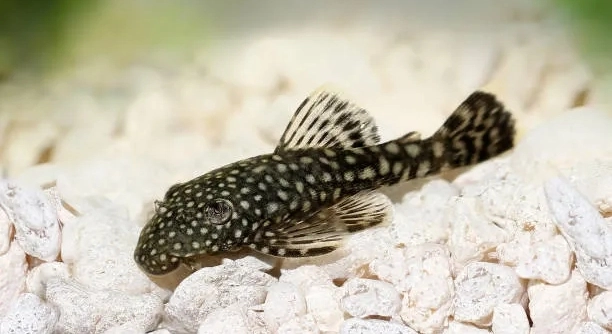
Territorial behavior in plecos is common, especially as they establish their space within the tank. Recognizing these signs early can help create a more harmonious environment for all aquatic inhabitants.
Plecos exhibit territorial behavior through behaviors such as guarding certain areas, chasing other fish, and displaying aggressive postures. These actions are a natural part of their instincts to defend their territory and ensure access to resources such as food and shelter.
Understanding these territorial signs allows you to address the situation, creating a balanced and peaceful aquarium for your pleco and other tankmates.
Common Signs of Territorial Behavior
Plecos can become quite protective of their space. They often choose a specific area, such as a rock or driftwood, to guard against other fish. You may notice them defending this spot fiercely, especially if other fish come too close. Their behavior can escalate to chasing or flaring their fins, which signals aggression and a clear claim to the space. This territoriality is often linked to their instinct to secure resources, like food and shelter.
While territorial behavior is typical, it can become disruptive if not addressed. It’s essential to monitor how the pleco interacts with tankmates. If your pleco is constantly harassing other fish or showing signs of excessive aggression, the tank’s environment may need adjustment.
By adjusting the tank setup, like adding more hiding spots or rearranging decorations, you can reduce territorial disputes. This way, the pleco can still maintain its space while the other fish feel safe and secure. A peaceful environment will benefit all the fish in the tank, promoting better health and behavior.
Impact of Overcrowding
Overcrowding in the tank can exacerbate territorial issues.
When there isn’t enough space for each fish to claim its own area, stress increases. Plecos, in particular, may feel more compelled to assert dominance over a smaller space, leading to more frequent aggressive behavior. To prevent this, ensure your tank has enough room for each fish to thrive without feeling threatened.
Larger tanks with more hiding spots reduce competition and aggression among tankmates. Providing plenty of space allows the pleco to have a designated area while keeping peace in the tank. Adding plants, caves, and other decorations not only creates visual barriers but also gives each fish its own territory. This leads to less fighting and a healthier, more harmonious tank environment. Regular maintenance, such as removing waste and keeping the water clean, also contributes to reducing stress in the tank, benefiting all inhabitants.
Aggressive Postures
When a pleco feels threatened, it may puff up its body and spread its fins. This is a clear warning sign of aggression, signaling that it is ready to defend its territory. You may notice the pleco becoming stiff and holding its position to assert dominance.
Aggressive postures are often accompanied by a change in behavior, such as swimming toward other fish in a defensive manner. These actions are usually triggered by proximity to another fish or competition for resources. In some cases, plecos will even display territorial aggression without direct contact, simply by swimming aggressively around their claimed area.
A pleco may also use these postures when it feels its space is invaded by other fish or objects. This form of non-contact aggression is intended to scare off intruders. If your pleco shows this behavior, it’s essential to assess the environment to ensure it has sufficient space. Proper tank setup, including hiding spots, can reduce these territorial disputes.
Tank Setup Adjustments
Adjusting the tank layout is a simple yet effective way to reduce territorial aggression.
Rearranging decorations like rocks, driftwood, and plants can help disrupt the pleco’s established territory, making it less likely to feel the need to defend a specific spot. By adding more structures, you also create more hiding spots for other fish. This way, each fish, including the pleco, has space to claim without constant conflict.
In addition to physical changes, you can also consider reducing the number of fish in the tank. Overcrowding often exacerbates territorial disputes, so keeping the number of fish in proportion to the tank size can make a noticeable difference. Monitoring water quality is also crucial, as poor conditions can lead to heightened stress and aggression. Providing a balance of both environmental and behavioral changes will help keep territorial issues at bay.
Defending a Hiding Spot
Plecos often choose specific spots in the tank to hide, especially during the day. If another fish approaches or tries to use the same hiding spot, the pleco may become defensive and chase them away. This is a common territorial behavior.
To reduce this behavior, ensure there are multiple hiding spots for the pleco and other fish. Adding caves or plants can provide each fish with their own private space. The more options available, the less likely a pleco will feel the need to defend a single spot, leading to a more peaceful tank.
Chasing Other Fish
Chasing is a clear sign of territoriality in plecos.
When a pleco feels its space is being invaded, it may start chasing away other fish. This aggressive behavior is typically a response to perceived threats or competition for resources. If you notice your pleco constantly chasing other fish, it’s a sign that territorial boundaries are being crossed. Keeping the tank environment calm and ensuring that each fish has enough space can help minimize this behavior. Adding additional hiding spots and rearranging the tank layout can also reduce territorial aggression by providing more opportunities for fish to claim their space without confrontation.
Tankmate Compatibility
Not all fish are compatible with plecos.
Some species of fish are more likely to provoke territorial behavior in plecos due to their size, activity levels, or space requirements. Fast-swimming or larger fish may trigger aggression, especially if they invade the pleco’s preferred area. By selecting compatible tankmates, you can reduce the likelihood of territorial disputes. Smaller, peaceful fish that prefer the upper levels of the tank tend to coexist better with plecos, as they are less likely to encroach on their territory. Always observe how your fish interact with each other and make adjustments if necessary.
FAQ
What are the signs that a pleco is feeling territorial?
Plecos show territorial behavior through various signs. One of the most noticeable is when they guard a specific area of the tank, such as a rock or piece of driftwood. They may chase away other fish or adopt an aggressive posture, such as flaring their fins or becoming stiff. Another sign is when they consistently chase or intimidate other fish in their vicinity. If a pleco feels its space is being invaded, it may even show non-contact aggression by swimming aggressively around its claimed area.
Can plecos live with other fish in the same tank?
Yes, plecos can live with other fish, but it depends on the species. Peaceful tankmates are a better choice, especially fish that swim in the upper areas of the tank to avoid competing for the same space. However, some fish may provoke plecos, especially if they are larger, faster, or more territorial themselves. It’s important to ensure the tank is large enough and has enough hiding spots to reduce competition and stress.
How do I prevent plecos from being overly territorial?
To prevent plecos from becoming overly territorial, you need to provide plenty of space and hiding spots. By rearranging the tank and adding more rocks, plants, or caves, you can reduce territorial conflicts. A tank with multiple hiding areas allows the pleco to feel secure while giving other fish their own space. It’s also essential to avoid overcrowding the tank, as it increases stress and can lead to more aggressive behavior.
Do plecos get along with other plecos?
Plecos can be territorial even with other plecos, especially if the tank is too small. They may compete for space or food. In larger tanks with plenty of hiding spots, plecos may tolerate each other better. However, it’s essential to monitor their interactions and make adjustments if aggression occurs. Male plecos, in particular, are more likely to become territorial with each other. Having a mix of males and females may reduce conflicts.
How can I tell if a pleco is stressed or unhealthy?
Stress in plecos can be shown through behaviors such as hiding excessively, reduced activity, or loss of appetite. If a pleco is continuously swimming in circles or displaying erratic behavior, it could indicate stress. Unhealthy plecos may also have faded coloration, damaged fins, or lesions on their bodies. Poor water quality, overcrowding, or incompatible tankmates can contribute to stress. Regularly checking the water parameters and providing a stress-free environment can help keep your pleco healthy.
Can plecos be aggressive toward other species?
Yes, plecos can be aggressive toward other species, especially if they feel their territory is being invaded. Some plecos, such as the common pleco, are more territorial and may chase other fish away from their favorite hiding spots. While they are generally peaceful, they can display aggressive behavior if they feel threatened or overcrowded. Providing enough space and hiding spots for all fish in the tank will help reduce aggression and territorial disputes.
What’s the best tank size for a pleco?
A pleco’s ideal tank size depends on the species. A common pleco, which can grow quite large, requires at least a 75-gallon tank. Smaller plecos, such as the bristlenose pleco, can live in smaller tanks but still need at least 30 gallons. The larger the tank, the less likely plecos will feel territorial, as they’ll have more space to roam and claim their territory. Make sure the tank has enough hiding spots to reduce stress and aggression.
Do plecos need a lot of hiding spots?
Yes, plecos benefit from having plenty of hiding spots. In the wild, they hide in crevices or caves to avoid predators, and this behavior continues in captivity. Providing caves, rocks, and plants helps plecos feel secure and reduces territorial disputes with other fish. More hiding spots also give other tankmates their own space, which can reduce stress and improve overall tank harmony.
How do plecos behave during breeding?
During breeding, plecos become more territorial. Males often claim a specific area, such as a cave, and may defend it aggressively against other fish. They may also display their fins and chase away females or other males. It’s important to provide multiple caves or hiding spots to prevent conflicts during the breeding process. Once the female enters the cave, the male may guard it fiercely until the eggs hatch, ensuring that no other fish invade the territory.
Why is my pleco constantly swimming at the surface?
If your pleco is constantly swimming at the surface, it could be a sign of poor water quality or oxygen levels. Plecos are bottom-dwelling fish but may swim to the surface if they need more oxygen. Check your water parameters, including pH, ammonia, nitrites, and oxygen levels, to ensure the tank is healthy. If the water quality is fine and the pleco continues to swim at the surface, it may also indicate stress or a lack of hiding spaces.
Do plecos need to be alone in the tank?
Plecos do not need to be alone in the tank, but they do require enough space and hiding spots to feel secure. They can live with compatible fish, but overcrowding or tankmates that invade their territory can lead to stress and aggression. Keeping a pleco in a tank with peaceful fish that occupy different areas of the tank can reduce territorial disputes. Regular monitoring of their behavior and adjusting the environment as needed can help maintain a peaceful coexistence.
Final Thoughts
Understanding pleco behavior, especially territorial tendencies, is crucial for maintaining a peaceful aquarium. These fish are naturally inclined to defend their space, and recognizing the signs of territoriality can help prevent stress and aggression. From guarding hiding spots to chasing other fish, plecos communicate their discomfort when their territory is threatened. Recognizing these behaviors early can ensure that your tank remains harmonious and that your pleco’s needs are met. Adequate space, multiple hiding spots, and compatible tankmates are essential to creating an environment where plecos feel secure and are less likely to display territorial aggression.
A balanced tank environment with enough space for each fish is key to reducing territorial conflicts. Plecos, especially larger species, require room to roam without feeling crowded. Overcrowding can increase stress, leading to more aggressive behavior. It’s important to ensure that there are enough hiding spots for all the fish, as this reduces competition and provides each fish with a safe space. A tank with adequate filtration and regular maintenance will also contribute to the overall health and well-being of the pleco, keeping territorial behavior to a minimum.
By being proactive and attentive to your pleco’s behavior, you can avoid many common issues related to territorial aggression. Regularly observe your pleco and other tankmates to ensure they are getting along. If aggression occurs, consider adjusting the tank layout, adding more hiding spots, or selecting tankmates that are less likely to provoke territorial behavior. Plecos can thrive in a peaceful environment, and with the right care, they will contribute positively to your aquarium’s ecosystem.

Hello,
If you enjoy the content that we create, please consider saying a "Thank You!" by leaving a tip.
Every little bit helps us continue crafting quality advice that supports the health, happiness, and well-being of pets around the world, for pets of all shapes, sizes, and species.
We really appreciate the kindness and support that you show us!