
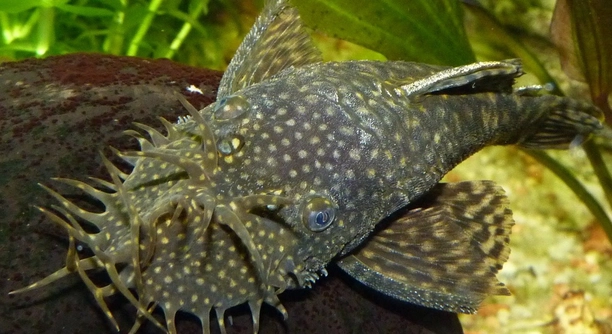
Plecos are popular fish for freshwater aquariums, known for their unique appearance and algae-eating habits. Many beginners look for species that remain small, making them easier to care for in smaller tanks. This guide will help you choose.
There are several pleco species that stay small, typically growing up to 4-6 inches in length. These breeds are ideal for beginners looking for a manageable aquarium fish that won’t outgrow the tank or become difficult to maintain.
Choosing the right pleco can make all the difference in your aquarium setup. With the right breed, you can enjoy a healthy and visually appealing tank without the worry of overcrowding.
1. Bristlenose Pleco
Bristlenose Plecos are a popular choice for small tank setups. They usually grow to about 4-5 inches, making them perfect for beginners who don’t want their fish outgrowing the space. Their small size and algae-eating habits help keep aquariums clean without the need for constant maintenance. These plecos are known for their distinctive bristly features, especially around the face, which gives them a unique appearance.
Their peaceful nature makes them suitable for community tanks with other non-aggressive fish. They are hardy and can tolerate a range of water conditions, which makes them a great choice for first-time aquarium owners. However, they still require clean water and a steady supply of food, such as algae wafers and vegetables.
In addition to their physical appearance, Bristlenose Plecos are fascinating to watch. They spend most of their time resting on surfaces, slowly grazing on algae. With their manageable size and ease of care, they are an excellent option for any small aquarium.
2. Clown Pleco
Clown Plecos remain small, growing to a maximum of about 4 inches. Their striking black and orange patterns make them visually appealing and a fun addition to any tank.
Clown Plecos are peaceful and easy to care for. They enjoy hiding in caves or crevices, and their preference for small spaces makes them ideal for tanks with decorations or plants. They are primarily nocturnal, so expect to see them more during the evening hours when the tank is quieter.
3. Rubber Lip Pleco
Rubber Lip Plecos grow to about 4-5 inches, which is perfect for smaller aquariums. Their unique, rubbery lips help them eat algae efficiently, making them a valuable asset for cleaning your tank.
These plecos are generally peaceful and can coexist well with other species. They enjoy hiding in caves or under decorations during the day and are most active at night. Rubber Lip Plecos thrive in well-maintained tanks with stable water conditions. It’s important to provide them with enough algae or supplemental food, like algae wafers, to keep them healthy.
One of the key benefits of Rubber Lip Plecos is their ability to adapt to a variety of water types, including slightly acidic or alkaline conditions. Their small size and cleaning capabilities make them ideal for beginner aquarists who need a fish that helps maintain water quality. These plecos can easily thrive in a small to medium-sized tank.
4. Dwarf Snowball Pleco
The Dwarf Snowball Pleco stays small, only growing up to 3 inches. They are often chosen for their striking appearance, with white spots scattered across a dark body. Their size and beauty make them perfect for smaller aquariums.
Dwarf Snowball Plecos are more active than other plecos, often seen swimming around the tank. They also love hiding in caves or plant roots, so it’s important to offer places for them to rest. Their small size and gentle nature make them a great fit for community tanks. However, they do require a lot of attention to water quality, and they thrive in stable, slightly acidic water.
Like other plecos, Dwarf Snowballs will help control algae, but they still need supplementary feeding. Provide them with algae wafers and occasional vegetables to keep them nourished. This breed also enjoys the company of its own kind, so a small group can do well together in a properly maintained tank.
5. Gold Nugget Pleco
Gold Nugget Plecos grow up to about 4-5 inches. Their bright yellow spots against a dark body make them visually striking, adding beauty to any tank. Despite their beauty, they are easy to care for.
These plecos are more active than some of the smaller species, but they still stay relatively small. They enjoy hiding in caves or under rocks during the day. Gold Nugget Plecos are nocturnal, becoming more active in the evening. They are also very efficient at cleaning algae, which is beneficial in keeping your tank clean.
While Gold Nugget Plecos are adaptable, they do need stable water conditions and regular feeding. Make sure to provide them with algae wafers, as well as a variety of vegetables, to maintain their health. This breed does well in slightly warmer water, and adding driftwood to their tank will help mimic their natural habitat.
6. Longfin Bristlenose Pleco
Longfin Bristlenose Plecos are similar to regular Bristlenoses but with longer fins. They grow to around 4-5 inches, making them suitable for smaller tanks.
These plecos have the same peaceful nature as their shorter-finned relatives. The long fins are visually appealing, and they still perform the same algae-eating tasks. They do require some extra care when it comes to water conditions, but overall, they are hardy.
7. Pitbull Pleco
Pitbull Plecos are one of the smallest pleco species, growing only up to 2.5 inches. Their tiny size makes them perfect for very small tanks or nano aquariums.
FAQ
What size tank do I need for a small pleco?
For most small pleco species, a tank of at least 20 gallons is ideal. This provides enough space for them to swim around comfortably and helps maintain stable water conditions. However, some of the smallest plecos, like the Pitbull Pleco, can do well in tanks as small as 10 gallons. Always ensure there are plenty of hiding spots, such as caves or plants, to mimic their natural environment.
Can I keep multiple plecos together?
Yes, you can keep multiple plecos together, but it depends on the species. Species like the Bristlenose Pleco and the Dwarf Snowball Pleco tend to get along well in groups. However, be cautious with species that might become territorial, like the Gold Nugget Pleco. Make sure to provide enough space and hiding places to prevent aggression.
Do plecos need a lot of care?
Plecos are generally low-maintenance, but they do require regular care to thrive. They need clean, stable water conditions and a balanced diet that includes algae, algae wafers, and vegetables. Regular water changes are essential to maintain water quality, especially since plecos produce a fair amount of waste. Keep an eye on the tank’s water parameters, such as pH, temperature, and ammonia levels, to avoid problems.
What do small plecos eat?
Small plecos are primarily herbivores and feed on algae, which helps keep your tank clean. However, it’s important to supplement their diet with algae wafers, vegetables like zucchini, cucumber, or spinach, and occasional protein-rich foods like bloodworms or brine shrimp. Providing a varied diet will ensure they stay healthy and well-fed.
Are plecos good for beginners?
Yes, plecos are great for beginners because they are hardy and easy to care for once their basic needs are met. They do not require complex care routines and can tolerate a range of water conditions. However, some species may need a bit more attention to their specific needs, such as water temperature and diet. It’s always a good idea to do research on the species you plan to keep to understand their individual requirements.
How do I know if my pleco is healthy?
A healthy pleco should be active, although some species are nocturnal and may be more active at night. They should have clear eyes and smooth, intact fins. Any signs of unusual behavior, like excessive hiding or lack of appetite, could indicate stress or illness. Additionally, watch for external signs such as lesions or irregular swimming patterns, which might suggest an infection. Keep the tank clean and provide a balanced diet to maintain your pleco’s health.
What water conditions do plecos need?
Most small plecos prefer slightly acidic to neutral water, with a pH of around 6.5 to 7.5. The temperature should typically range from 72°F to 82°F (22°C to 28°C), depending on the species. Regular water changes and proper filtration are crucial to maintaining water quality. A stable environment with low levels of ammonia and nitrites will help prevent stress and illness.
Can plecos live with other fish?
Yes, plecos are generally peaceful and can live with a wide variety of other fish, including tetras, guppies, and other small community species. However, they may become territorial with other bottom-dwelling fish, so it’s essential to make sure your tank mates don’t compete for space. Avoid keeping plecos with aggressive or overly large fish that could harm them.
How long do plecos live?
Plecos have relatively long lifespans, especially when cared for properly. Most small plecos live anywhere from 5 to 10 years, with some species even living up to 15 years or more in the right conditions. Proper water maintenance, diet, and avoiding stress can help extend their lifespan. Keep in mind that larger plecos can live even longer, but smaller species tend to have a shorter lifespan.
Do plecos need a filter?
Yes, plecos do need a filter to maintain water quality. Plecos are efficient at eating algae, but they still produce waste, which can quickly degrade water quality if not removed. A good filter ensures proper water flow and filtration, keeping the tank clean and preventing ammonia build-up. Make sure the filter is appropriate for the size of your tank and can handle the waste production of plecos.
Can plecos survive in low oxygen levels?
Plecos are hardy fish, but they still require oxygenated water to survive. They have specialized gill structures that allow them to thrive in low-oxygen environments compared to some other species. However, it’s still crucial to provide adequate water circulation and ensure the tank is well-oxygenated. A good filter and occasional water movement help maintain a healthy oxygen level for plecos.
Do plecos require additional equipment, like heaters or aerators?
Plecos generally don’t require additional equipment beyond a good filter, but depending on the species, a heater may be necessary. For example, tropical plecos require warmer water temperatures, so a heater might be needed to maintain the right conditions. An aerator is not always necessary, but if the water lacks movement, an aerator or air stone can help improve oxygen circulation in the tank. Always check the specific needs of your pleco species.
How often should I feed my pleco?
Most plecos should be fed once or twice a day. If you’re feeding algae wafers, they can graze throughout the day, so once a day is often enough. Supplement their diet with fresh vegetables or protein-rich foods two to three times a week. It’s important not to overfeed, as excess food can pollute the tank and cause water quality issues.
Why does my pleco keep hiding?
Plecos are nocturnal or shy fish, so it’s normal for them to spend a lot of time hiding during the day. However, if your pleco is constantly hiding or seems to avoid food, it could be a sign of stress or illness. Make sure the tank is free of aggressive tank mates, and check water quality to rule out poor conditions. A stressed pleco may also hide more if it feels threatened or insecure.
Final Thoughts
Choosing a small pleco for your aquarium is a great way to add both beauty and functionality to your tank. These fish are known for their algae-eating abilities, which help keep your tank clean without requiring constant maintenance. With many species to choose from, like the Bristlenose Pleco, Dwarf Snowball Pleco, and Rubber Lip Pleco, there’s a perfect fit for any aquarium size. Each species has its own unique traits, such as distinctive markings or different care needs, but all of them are relatively easy to care for and perfect for beginners. Ensuring your pleco has enough space to swim and proper hiding spots will help it thrive.
When selecting a pleco, it’s essential to consider the size of your tank and its compatibility with other fish. While plecos are generally peaceful, they may need their own space and a suitable environment to thrive. Some species, like the Clown Pleco or Pitbull Pleco, are small enough to fit into nano tanks, while others, like the Gold Nugget Pleco, require slightly larger tanks. Regardless of the species you choose, all plecos will benefit from a stable tank with good water quality, which means regular water changes and proper filtration. The cleaner the water, the healthier your pleco will be.
Overall, plecos are a wonderful addition to any aquarium. Their small size, peaceful nature, and ability to help maintain algae levels make them a popular choice for both new and experienced fish keepers. As long as you provide the right environment and diet, your pleco will likely live a long and healthy life. Whether you opt for a Bristlenose or a Dwarf Snowball, these fish are sure to bring a unique and valuable presence to your aquarium. Taking the time to learn about their needs will ensure a happy pleco and a beautiful tank.

Hello,
If you enjoy the content that we create, please consider saying a "Thank You!" by leaving a tip.
Every little bit helps us continue crafting quality advice that supports the health, happiness, and well-being of pets around the world, for pets of all shapes, sizes, and species.
We really appreciate the kindness and support that you show us!