
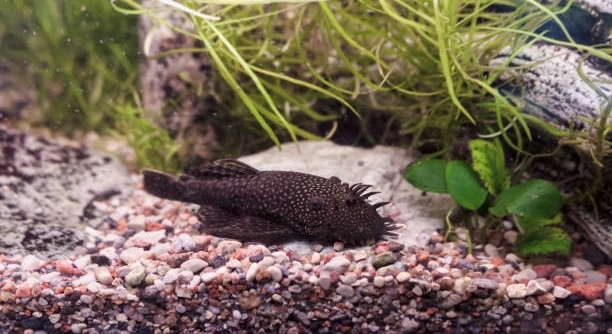
Plecostomus are popular aquarium fish known for their algae-eating habits. As a fish owner, you might wonder how these creatures respond to tank medications. In some cases, you may need to medicate your aquarium to treat diseases or maintain water quality. Understanding the effects of tank treatments on plecos can help ensure their health is maintained.
Plecostomus can generally handle some tank medications, but sensitivity varies by individual. Medications such as copper-based treatments or antibiotics may negatively affect their health, especially if used in high concentrations. It is crucial to monitor their condition closely.
It’s important to know the best practices when using medications in a tank with plecos. Ensuring the right balance and monitoring their reaction can prevent unnecessary health complications.
How Medications Affect Plecostomus
Plecostomus are sensitive to certain substances, and not all aquarium medications are safe for them. Some medications are designed for specific fish species, while others can affect the general water quality. For instance, some treatments may contain chemicals that could harm the pleco’s delicate gills or skin. Understanding how medications work and their potential side effects on plecos is vital for their survival in an aquarium setting. It’s always best to research the medication’s ingredients and check if it’s safe for plecos.
For this reason, always use medications with caution when treating your tank. Plecostomus can handle mild treatments, but too much of a strong chemical could be dangerous.
If you need to treat your aquarium with medication, you should consider isolating the plecostomus in a separate quarantine tank. This allows you to medicate the tank without directly exposing your pleco to harmful substances. In a quarantine tank, it’s easier to manage the medication’s effects on the pleco. You can also monitor the fish’s behavior closely to ensure it is not showing any signs of distress. This approach also ensures that the tank remains safe for the other fish that may be more resistant to the medication.
Safe Alternatives for Plecostomus Care
While medications can help with certain issues, there are safer ways to maintain your plecostomus’s health.
The most important thing is to maintain a clean, well-filtered tank with stable water parameters. Regular water changes and proper filtration reduce the need for frequent medication. If your pleco’s health is declining, check for signs of stress, such as excessive hiding or changes in behavior, and address the cause directly. Some problems may require less invasive measures, such as adjusting water conditions rather than using harsh chemicals.
The Importance of Water Quality for Plecostomus
Maintaining optimal water quality is crucial for plecostomus health. Poor water conditions can make them more susceptible to disease and infections, especially when medications are added. It’s essential to test water parameters regularly to ensure they stay within safe levels.
Plecostomus are especially sensitive to changes in water temperature, pH, and ammonia levels. Ammonia, for instance, can be toxic to plecos even in low concentrations. If the water conditions are poor, the pleco’s immune system weakens, making it more vulnerable to the effects of medications. Regular water changes help to keep the levels stable, reducing the risk of complications.
Another key factor is oxygenation. Plecostomus require well-oxygenated water to thrive. If water quality is low and oxygen levels are insufficient, plecos may struggle to breathe, which can be exacerbated by medication. Ensuring that both oxygen and filtration systems are working efficiently will minimize stress on the pleco, allowing it to cope better with any treatment.
Monitoring Plecostomus During Medication
When medicating your plecostomus, keep a close watch for any signs of distress.
It’s not uncommon for plecos to become stressed under medication, even if the treatment is safe. Stress can manifest in unusual behavior such as rapid swimming, excessive hiding, or a lack of appetite. If this occurs, consider adjusting the dosage or stopping the treatment altogether. In some cases, plecos may recover from the stress of medication once removed from the medicated water, but if the issue persists, seek advice from a veterinarian. It’s essential to act fast to avoid long-term harm to your pleco.
Some plecostomus are more sensitive than others, depending on their size, age, and health status. Younger plecos, for example, may struggle more with certain medications than mature ones. Always ensure that any treatment administered is suitable for your specific pleco’s condition. For more serious issues, consult with an expert to determine the safest course of action for your fish.
Safe Medication Dosage for Plecostomus
When medicating a plecostomus, always follow the recommended dosage carefully. Overdosing can be harmful and may result in severe health issues or even death.
Each medication has a specific dosage, and it’s important not to exceed it. Plecostomus are particularly sensitive to chemicals, so even small variations in dosage can have significant effects. If you’re unsure about the proper amount, it’s better to err on the side of caution and consult a professional for guidance. Always observe your pleco closely during and after treatment.
Isolating Plecostomus for Treatment
Isolating the plecostomus in a separate tank while treating the aquarium can reduce stress and minimize exposure to harmful chemicals.
This isolation also helps in controlling the medication’s effects on other fish in the tank. The pleco can be treated in isolation, allowing you to monitor it more closely and adjust the treatment as needed without affecting other tank inhabitants. This practice is especially useful for delicate or rare species that may not tolerate medications as well.
FAQ
Can plecostomus tolerate copper-based medications?
Copper-based medications are commonly used to treat parasites, but they can be dangerous for plecostomus. Plecos are sensitive to copper, and high concentrations can damage their gills or internal organs. It’s best to avoid using copper treatments or use them in very low concentrations if absolutely necessary. Always monitor your pleco’s condition closely if you decide to use such treatments.
What signs indicate my plecostomus is stressed from medication?
Stressed plecostomus may exhibit behavior such as hiding more than usual, erratic swimming patterns, or refusal to eat. They may also develop visible signs like changes in coloration or skin texture. If you notice any of these symptoms, it’s important to assess the medication’s effects and adjust the dosage or discontinue it if needed.
Should I remove my plecostomus during a tank-wide treatment?
Yes, removing your plecostomus to a separate quarantine tank during treatment is often a good idea. Plecos are more sensitive to medications than some other fish, and a separate tank will prevent them from being exposed to chemicals that could cause harm. Additionally, you can monitor them closely for any signs of distress.
Is it safe to treat plecostomus for external parasites?
Treating plecostomus for external parasites can be done, but it’s crucial to choose medications carefully. Plecos have delicate skin, and some treatments designed for other fish species can cause irritation or damage. Look for medications specifically formulated for sensitive fish, and always monitor their health during treatment.
What are the risks of overmedicating plecostomus?
Overmedicating plecostomus can lead to poisoning, organ damage, or even death. Medications, when used excessively, can overwhelm their system, making them more vulnerable to diseases and impairing their immune response. It’s essential to follow the recommended dosages carefully and stop treatment if adverse reactions occur.
Can plecostomus survive in medicated water for long periods?
Plecostomus may survive in medicated water for a short time, but prolonged exposure can be harmful. Medications are often harsh on fish, and long-term use can weaken the pleco’s immune system, reduce its oxygen intake, or damage its internal organs. Always make sure to limit the treatment duration and ensure the water quality is closely monitored.
How can I tell if my plecostomus is recovering from illness after medication?
A recovering plecostomus will gradually return to its normal behavior. It may begin to swim more actively, come out from hiding, and resume eating. If these signs don’t appear after a few days of medication, it might be an indication that the pleco is not responding well, and further steps should be taken.
Are there natural remedies for plecostomus health issues?
Some natural remedies, such as garlic or aloe vera, are sometimes used to boost the immune systems of plecostomus and help them recover from mild infections. However, these are not substitutes for professional medication. Natural remedies should be used cautiously and in conjunction with other treatments when necessary. Consult with an aquarium specialist for specific recommendations.
What should I do if my plecostomus develops skin lesions during treatment?
Skin lesions can be a sign of infection or an allergic reaction to the medication. If lesions appear, it’s important to stop the medication and consult with a veterinarian or aquarist to determine the cause. In some cases, water quality adjustments may help the pleco recover without further medication.
Can plecostomus handle antibiotics?
Antibiotics can be used to treat bacterial infections in plecostomus, but not all antibiotics are safe for them. Plecos have sensitive systems, so using the wrong type or dosage of antibiotic can cause harm. Always use antibiotics that are specifically safe for plecos and carefully monitor their response during treatment.
Final Thoughts
Plecostomus are unique fish with specific care needs, and understanding how medications affect them is crucial for their well-being. While they can tolerate some treatments, plecos are sensitive to certain chemicals and medications. Using medications designed specifically for plecos or other sensitive species is the safest route. Overuse of medication can cause stress, damage their organs, or even result in death. It’s always best to approach any treatment with caution, following proper instructions and monitoring your pleco’s behavior closely.
Water quality is another important factor to consider when using medications. Keeping the tank clean and ensuring that all water parameters are stable can help minimize the need for medication in the first place. Regular water changes, proper filtration, and consistent monitoring of ammonia, nitrite, and nitrate levels will go a long way in maintaining a healthy environment for your plecostomus. Remember that many health issues can be prevented with proactive tank care. If your pleco is sick, addressing the root cause of the problem may sometimes be more effective than medicating.
Finally, always be prepared to adjust your approach if the plecostomus shows signs of distress. If a medication seems to be negatively affecting your fish, take quick action by isolating it in a quarantine tank or discontinuing the treatment. Consulting with a veterinarian or a fish care expert is always a good idea if you’re unsure of how to proceed. Plecostomus can be resilient when given the right care, and by being mindful of their sensitivity to medications, you can help ensure their health and happiness in your aquarium.

Hello,
If you enjoy the content that we create, please consider saying a "Thank You!" by leaving a tip.
Every little bit helps us continue crafting quality advice that supports the health, happiness, and well-being of pets around the world, for pets of all shapes, sizes, and species.
We really appreciate the kindness and support that you show us!