
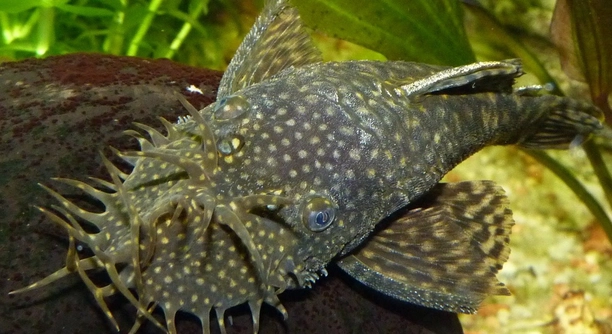
Is your Plecostomus fish’s color fading, and you’re unsure why? It’s a common concern among aquarium owners, as the vibrant hues of these fish can sometimes dull, affecting their overall appearance and health.
The color fading in Plecostomus fish can be caused by several factors such as poor water quality, inadequate lighting, stress, improper diet, or even genetics. Addressing these issues can help restore their natural colors and ensure a healthier environment.
Understanding these causes can assist in improving your Plecostomus’ condition and keeping it vibrant for the long term.
Poor Water Quality
Water quality is one of the most common causes of color fading in Plecostomus fish. When water parameters like pH, ammonia, and nitrate levels are off, it can cause stress to your fish, leading to a loss of color. Proper filtration and regular water changes are essential to maintain a healthy aquatic environment. You should test your tank’s water at least once a week to ensure the parameters are within safe ranges.
Maintaining good water quality can significantly improve the health of your Plecostomus. Always use a reliable water conditioner to neutralize harmful chemicals that may be present in tap water.
A consistent water change schedule helps reduce the buildup of waste and toxins, keeping your Plecostomus vibrant. Avoid overfeeding, as leftover food can contribute to water contamination. Additionally, investing in a quality filtration system will help keep your fish’s environment clean and support their overall well-being, helping them maintain their bright colors.
Inadequate Lighting
Lighting plays a key role in the appearance of your Plecostomus. Too much or too little light can influence their color and health.
When the lighting in your aquarium is too dim, your Plecostomus may not get enough exposure to the light needed for proper pigmentation. On the other hand, excessive light can stress your fish and cause discoloration. A balanced lighting schedule with natural daylight or a good aquarium light will help your Plecostomus maintain its color while preventing excessive stress.
To keep your Plecostomus healthy and vibrant, use a lighting system that mimics natural light cycles. Keep lighting exposure to about 10 to 12 hours per day to avoid overexposure.
Stress
Stress is another significant factor affecting the coloration of your Plecostomus. Overcrowding, constant handling, or aggressive tank mates can all contribute to heightened stress levels. When stressed, your Plecostomus will often lose its vibrant colors, as the body prioritizes survival over pigmentation.
A calm, stable environment is crucial for maintaining their natural colors. Make sure your Plecostomus has enough space to swim freely and avoid aggressive or territorial fish in the tank. The stress from bullying or competition for food can be enough to dull their colors.
To minimize stress, consider adding hiding spots or plants to the tank for your Plecostomus to retreat to. Providing a quiet and peaceful habitat, along with consistent tank conditions, will help keep your fish calm, reducing the risk of color fading.
Diet
A balanced diet is vital for the health and coloration of your Plecostomus. Nutritional deficiencies, particularly a lack of essential vitamins and minerals, can cause your Plecostomus to lose its color. A varied diet that includes algae, vegetables, and high-quality pellets or wafers will help keep your fish healthy and vibrant.
Feeding your Plecostomus the right foods encourages natural pigmentation. Algae-based foods and fresh vegetables like zucchini or spinach provide the necessary nutrients for their skin to stay bright. Protein-rich foods, like shrimp or worms, also contribute to overall health and color.
Overfeeding can lead to water quality issues and affect your Plecostomus’ overall condition. Stick to a feeding schedule to ensure your fish gets the proper nutrients without overloading the system, which can lead to color fading from unhealthy tank conditions.
Genetics
Genetics can play a role in how vibrant your Plecostomus appears. Some fish simply have genetic traits that lead to less vivid coloration. While this isn’t something you can control, it’s important to understand that certain variations are natural.
Even with optimal care, some Plecostomus may naturally have duller colors. This is not necessarily a sign of poor health but rather a genetic predisposition. Choosing a Plecostomus with better color traits from the start can ensure a more vibrant fish in the long run.
Age
As Plecostomus age, their colors may naturally fade over time. Older fish tend to lose some of their vibrancy, especially if their environment or diet has not been ideal. This is part of their aging process.
Older Plecostomus may also experience slower metabolism or reduced activity, leading to less bright colors. It’s important to provide consistent care, even as they grow older, to ensure they maintain their health as much as possible. Regular maintenance of water quality and diet remains essential throughout their lifespan.
FAQ
Why is my Plecostomus losing color?
Color fading in Plecostomus can be caused by several factors, including poor water quality, inadequate lighting, stress, improper diet, genetics, or age. Maintaining a stable environment with good water parameters, proper lighting, and a balanced diet is essential to keep your fish vibrant. If these conditions aren’t met, it may lead to color loss.
Can stress make my Plecostomus lose its color?
Yes, stress is one of the main contributors to color fading. Overcrowding, aggressive tank mates, or poor water quality can increase stress, causing your Plecostomus to lose its natural vibrancy. Creating a calm and peaceful environment with appropriate tank mates can help reduce stress levels.
What water conditions are best for Plecostomus?
Plecostomus require clean, well-filtered water with stable parameters. A temperature range of 74-80°F (23-27°C), pH between 6.5 and 7.5, and low ammonia/nitrite levels are ideal. Regular water changes and testing ensure the water stays within these optimal ranges to support the fish’s health and coloration.
Does my Plecostomus need specific lighting?
Lighting is important, but not excessive. Your Plecostomus needs a consistent light cycle, with about 10-12 hours of light per day. Too much light can stress the fish, while too little may lead to a lack of vibrant colors. Use an aquarium light that mimics natural light to support their health.
How often should I feed my Plecostomus?
Plecostomus should be fed once or twice a day, with only as much food as they can eat in a few minutes. Overfeeding can lead to poor water quality, which can, in turn, affect the fish’s color. A varied diet of algae, vegetables, and protein-rich foods will provide the necessary nutrients for vibrant colors.
Can Plecostomus regain color after fading?
Yes, Plecostomus can regain their color if the factors causing the fading are addressed. Improving water quality, providing a balanced diet, reducing stress, and offering proper lighting can help restore their natural hues. However, if color fading is caused by genetics or age, full restoration may not be possible.
Is it normal for Plecostomus to lose color as they age?
Yes, it is normal for Plecostomus to lose some of their vibrancy as they grow older. Like many fish, aging can lead to less intense pigmentation. While you can’t prevent this natural process, ensuring they have good water conditions and a healthy diet will keep them in the best shape possible.
Do certain Plecostomus species fade more than others?
Some species of Plecostomus naturally have more muted colors, which could make them appear to fade faster compared to others. For instance, the common Plecostomus may lose its color as it ages, while certain breeds may retain their vivid hues longer due to their genetic traits.
What kind of diet helps Plecostomus maintain their color?
A varied diet that includes algae, fresh vegetables, and high-quality pellets will help maintain a Plecostomus’ natural color. Algae wafers, zucchini, spinach, and protein-rich foods like shrimp are great for providing the nutrients needed for bright, vibrant skin. Always be sure to avoid overfeeding, as this can lead to poor water quality.
How can I reduce stress for my Plecostomus?
To reduce stress, ensure your Plecostomus has enough space, a peaceful environment, and appropriate tank mates. Avoid overcrowding and provide hiding spots such as caves or plants where your fish can feel secure. Keep the water quality consistent and avoid frequent changes that could disturb the fish.
Can I use aquarium additives to improve color?
Some aquarium additives claim to enhance color, but they should be used cautiously. The best way to maintain vibrant color is by providing optimal care, including a proper diet and water conditions. If you decide to use additives, make sure they are safe for Plecostomus and used as directed.
How can I tell if my Plecostomus is unhealthy?
Aside from color fading, other signs of an unhealthy Plecostomus include unusual swimming patterns, loss of appetite, sluggishness, visible lesions or spots, and erratic behavior. If you notice these signs, it’s important to test water parameters and check the fish for any obvious health issues like parasites or infections.
Final Thoughts
Plecostomus are hardy and low-maintenance fish, but there are several factors that can affect their appearance over time, particularly their color. Understanding the causes of color fading, such as poor water quality, stress, genetics, and diet, can help you address the problem and restore your fish’s vibrancy. A stable and clean environment, combined with a proper diet, will not only keep your Plecostomus healthy but also support its natural colors. Ensuring that water parameters, including temperature, pH, and filtration, are kept in check is vital for their overall well-being.
Stress, especially from overcrowding or aggressive tank mates, is a major contributor to color loss. Your Plecostomus will feel more secure and thrive in an environment where they have space to move around and access hiding spots. Tank mates that are non-aggressive and not competing for food are crucial to minimize stress. Additionally, reducing the frequency of handling your fish and ensuring they aren’t exposed to sudden changes in their environment will help maintain their health and appearance.
While aging and genetics may cause natural color fading, these factors are beyond your control. However, with the proper care, you can ensure that your Plecostomus remains as healthy and vibrant as possible for many years. Regular water changes, a balanced diet, and creating a peaceful environment can go a long way in keeping your fish in the best condition. If your Plecostomus does experience color fading, don’t be discouraged—it may simply be a sign of natural aging or genetic traits.

Hello,
If you enjoy the content that we create, please consider saying a "Thank You!" by leaving a tip.
Every little bit helps us continue crafting quality advice that supports the health, happiness, and well-being of pets around the world, for pets of all shapes, sizes, and species.
We really appreciate the kindness and support that you show us!