
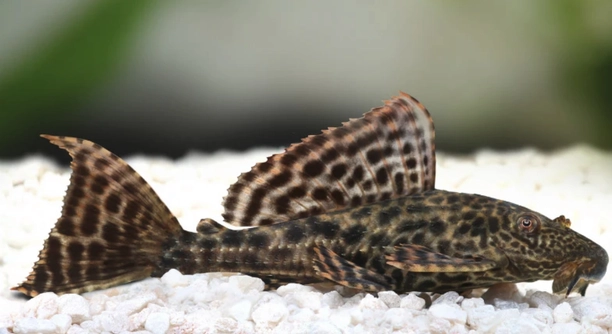
If you’ve noticed your pleco lingering in the top corner of your aquarium, you might be wondering why this behavior occurs. Understanding the reasons behind it can help you provide the best care for your aquatic pet.
Plecos often position themselves in the top corner of the tank due to environmental factors such as water quality, oxygen levels, or stress. If your tank conditions are not optimal, your pleco may seek a spot where it feels more comfortable or secure.
Addressing these factors will help improve your pleco’s behavior and ensure a healthy, stress-free environment for your fish.
Understanding Pleco Behavior: Why It Might Choose the Top Corner
Plecos are bottom-dwelling fish, but sometimes they seem to defy expectations by sticking to the top corners of the tank. This behavior can be perplexing for owners. The primary reason for this is often linked to water quality. When oxygen levels are low, plecos may gravitate to the surface, where there’s better access to air. Additionally, poor water conditions—like high ammonia or low pH—can make them feel stressed or uncomfortable, prompting them to find a corner or a spot that feels safer.
Sometimes, plecos may stay near the surface simply to escape stronger currents or to find an area where they feel more secure. In this case, they’re not necessarily unhappy, but they’re adjusting to what they perceive as a safer environment. It’s important to regularly monitor water parameters and check for any changes in behavior that might signal stress.
It’s also worth considering the tank’s temperature. Plecos thrive in water between 74-80°F (23-27°C). If the water is too warm or too cold, your pleco may seek a more comfortable spot. Adjusting the water temperature can help encourage your pleco to feel more at ease.
Improving Tank Conditions for Your Pleco
Maintaining the proper water quality is crucial for your pleco’s health. Regularly clean your tank and perform water changes to avoid high ammonia levels and debris.
Ensure your filter is running smoothly, and consider adding an air stone if you think oxygen levels are low. Keep an eye on the pH and temperature. If your pleco still sticks to the corner, consider adding hiding spots or plants to give it more options for comfort.
Properly maintaining your tank not only prevents your pleco from feeling the need to hang out in the top corner but also ensures it remains healthy in the long term. Regular water checks and proper filtration should keep your pleco comfortable, reducing its stress.
Water Temperature and Its Impact on Your Pleco
Plecos are sensitive to temperature fluctuations, which can cause them to seek out unusual spots in the tank. Keeping the water between 74-80°F (23-27°C) is essential for their well-being. If the water is too cold, they may become lethargic; too warm, and they may become stressed.
Ensure the water heater is functioning properly and use a thermometer to maintain consistent temperatures. If the temperature is fluctuating too much, it could explain why your pleco spends more time in the top corner, where they feel slightly more comfortable.
Plecos naturally avoid areas with rapid water movement. If your tank has strong currents, it may push them to the top corner for respite. In such cases, consider adjusting the filter or creating calm areas in the tank. A well-maintained, steady environment can make a huge difference in their behavior.
Tank Size and Space Considerations
A cramped tank can also cause stress. Plecos require ample space to roam and are known to grow quite large. When confined to a small tank, they may feel stressed and look for the safest, least active area of the tank, which might end up being the top corner.
Consider upgrading to a larger tank to provide more room. A tank that is at least 75 gallons is ideal for a full-grown pleco. Larger spaces allow them to swim freely, reducing the likelihood of abnormal behavior like lingering in the top corner. With more space, they’ll be able to explore, forage, and retreat to places where they feel safe.
By providing the necessary space, you allow your pleco to thrive. This ensures they have room to exhibit their natural behaviors, including staying near the bottom or moving about freely. This is key for maintaining a healthy, stress-free environment.
Stress Factors and Pleco Behavior
Stress can drive your pleco to seek secluded spots like the top corner. Common stressors include overcrowding, sudden changes in water conditions, or aggressive tank mates. Keeping the environment stable and peaceful is key to preventing this behavior.
A pleco under stress may become inactive or hide, making it difficult to observe its usual behavior. By ensuring compatible tank mates and avoiding rapid changes in the water parameters, you create a peaceful environment that promotes better overall health. A stress-free pleco is more likely to exhibit natural behaviors, such as swimming and foraging.
Oxygen Levels in the Tank
Low oxygen levels are another reason why your pleco may stick to the top corner. Plecos, like all fish, need sufficient oxygen to stay healthy. If oxygen levels drop, they naturally move towards the surface where the water is more oxygen-rich.
Consider adding an air stone or upgrading the filter to improve oxygen circulation. A better flow of oxygen can help your pleco feel more at ease and encourage it to explore more of the tank rather than hanging out in one spot.
Tank Maintenance and Cleanliness
Maintaining a clean tank is vital for the well-being of your pleco. Dirty water can cause stress and discomfort, prompting your fish to retreat to the top corner. Regular water changes and tank cleaning help prevent the buildup of waste that can affect water quality.
Make sure the filter is working efficiently and remove any visible debris. Dirty tanks often have high ammonia levels, which can contribute to stress in your pleco. By keeping the environment clean and safe, you create an inviting space for your pleco to thrive.
FAQ
Why does my pleco stay at the top corner of the tank?
Your pleco might be staying at the top corner due to stress, low oxygen levels, or poor water quality. If the water temperature or pH is off, it could seek refuge in a corner to feel safer. A lack of hiding spots can also cause your pleco to position itself in a corner, away from the tank’s more active areas.
Can my pleco get sick from staying in the top corner?
While staying in the top corner itself might not directly cause illness, it could be a sign that your pleco is stressed or uncomfortable. Long-term stress can weaken your pleco’s immune system, making it more susceptible to diseases. Ensure that water parameters are optimal to prevent health issues.
How can I improve the oxygen levels for my pleco?
To improve oxygen levels, consider adding an air stone, upgrading your filter, or adjusting the tank’s flow. These actions increase water movement and oxygen exchange at the surface. Also, avoid overcrowding your tank, as too many fish can decrease oxygen availability.
Is my pleco lonely if it stays in the corner?
Plecos are generally solitary creatures and don’t require constant social interaction. However, if it seems to be hiding away more than usual, it could be stressed, and tank conditions may need adjustment. Providing hiding spots or altering water parameters could help your pleco feel more secure.
What should I do if my pleco is not eating?
If your pleco isn’t eating, it could be due to water quality issues, stress, or an unbalanced diet. Check the water parameters, ensure the food is suitable for plecos, and offer a variety of foods such as algae wafers, veggies, or driftwood. If the problem persists, consult a vet.
Can the water temperature affect my pleco’s behavior?
Yes, water temperature has a significant impact on pleco behavior. If the water is too warm or cold, your pleco may seek out the top corner to adjust. Maintaining a consistent water temperature between 74-80°F (23-27°C) ensures your pleco remains active and comfortable.
How often should I clean my pleco’s tank?
Regular cleaning is essential to maintain a healthy environment for your pleco. Perform partial water changes (about 25-30%) every 1-2 weeks and clean the filter monthly. Also, remove any excess waste or uneaten food that may accumulate on the tank floor to prevent poor water quality.
Can plecos live with other fish?
Plecos can live with many other species, especially peaceful ones, as long as the tank has enough space and hiding spots. Avoid keeping them with aggressive fish or species that might compete for food. Make sure to monitor interactions and ensure your pleco feels safe.
Why is my pleco hanging out near the surface?
If your pleco is staying near the surface, it may be due to low oxygen levels. It could also indicate poor water quality or a high ammonia level in the tank. Test your water regularly and make adjustments as needed to improve the environment for your pleco.
How do I know if my pleco is stressed?
Signs of stress in plecos include erratic swimming, hiding more than usual, loss of appetite, or changes in behavior. Stress can result from poor water quality, incompatible tank mates, or lack of space. Regular tank maintenance and monitoring can help reduce stress and keep your pleco healthy.
Do plecos need specific tank conditions?
Yes, plecos thrive in stable, well-maintained environments. They need proper water temperature (74-80°F or 23-27°C), pH levels around 6.5-7.5, and regular water changes. Provide plenty of hiding spots, plants, and driftwood for your pleco to feel secure. Keeping their environment stable is key for their health.
How do I get my pleco to stop staying in the corner?
To get your pleco to stop staying in the corner, ensure that its tank environment is optimal. Adjust the water temperature, increase oxygen levels, and ensure the tank is not overcrowded. Adding hiding places, such as rocks, caves, or driftwood, can also make your pleco feel more comfortable.
Do plecos need to be fed every day?
Yes, plecos should be fed daily, but their diet depends on the type of pleco you have. Most plecos are herbivores, so algae wafers, vegetables like zucchini or cucumber, and occasional wood for grazing are necessary. However, avoid overfeeding, as uneaten food can affect water quality.
Can plecos live in a tank with strong current?
Plecos are generally bottom-dwellers and prefer calm waters. Strong currents can cause stress, so it’s best to avoid placing your pleco in a tank with high water flow. If you can’t control the current, try adding plants or decorations to create calm zones in the tank where your pleco can feel at ease.
Why does my pleco always swim sideways or upside down?
If your pleco is swimming sideways or upside down, it may be suffering from a swim bladder disorder. This condition is often caused by stress, poor water quality, or overfeeding. Check the water parameters, ensure a balanced diet, and consult a vet if the behavior persists.
How can I tell if my pleco is healthy?
A healthy pleco is active, eats regularly, and swims freely in the tank. Its body should be firm and free from visible lesions or discoloration. Regularly observe your pleco’s behavior, and keep track of its eating habits. Any sudden changes in behavior may indicate health problems that need addressing.
Can plecos be kept with shrimp or snails?
Plecos can often be kept with shrimp and snails, as they are usually peaceful. However, large plecos may disturb smaller shrimp, especially during feeding time. It’s best to choose tank mates that are similarly peaceful and ensure there are plenty of hiding spots for the smaller creatures.
How long can a pleco live?
Plecos typically live for 10-15 years, depending on their species and care. Larger species may live longer, while smaller ones might have a shorter lifespan. To maximize your pleco’s life expectancy, ensure optimal water conditions, proper diet, and regular maintenance.
Final Thoughts
It’s common for plecos to spend time in the top corner of the tank. This behavior usually results from factors like stress, low oxygen levels, or water quality issues. It’s important to observe the overall health of your pleco and ensure that the environment is comfortable for it. A pleco’s well-being depends on the right balance of tank conditions. When these factors are addressed, your pleco is more likely to feel secure enough to explore the tank and behave naturally.
Understanding the causes of this behavior can help in providing the best care for your pleco. Stress from tank mates, overcrowding, or rapid changes in the tank environment can trigger your pleco to seek out a quiet spot. Adjusting the water quality and temperature, and improving oxygen levels can make a significant difference in your pleco’s comfort. Additionally, providing hiding spots like caves or plants can offer a sense of security, allowing the pleco to swim freely without feeling threatened. Regular maintenance and keeping the tank environment stable is crucial to preventing recurring stress.
By monitoring and maintaining optimal water conditions, your pleco can thrive. Regular water changes, ensuring good filtration, and avoiding overcrowding will help improve the health of your tank. Additionally, offering a varied diet and ensuring your pleco has enough space to move around is essential. A happy pleco will display more natural behaviors and may stop spending excessive time in the top corner. Caring for your pleco’s environment with attention to detail can help create a long-lasting, healthy life for your fish.

Hello,
If you enjoy the content that we create, please consider saying a "Thank You!" by leaving a tip.
Every little bit helps us continue crafting quality advice that supports the health, happiness, and well-being of pets around the world, for pets of all shapes, sizes, and species.
We really appreciate the kindness and support that you show us!