
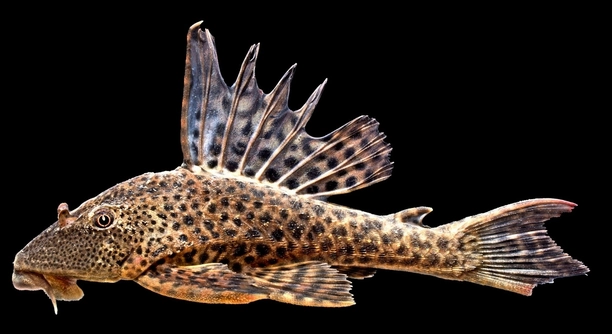
Driftwood-loving plecos are popular in aquariums, known for their unique behavior and care needs. Their love for driftwood often results in extra tank cleaning. Maintaining a clean and healthy environment for these fish is essential for their well-being.
The best way to maintain a clean tank for plecos is by removing debris regularly and performing water changes. Regularly scrub driftwood to eliminate algae buildup. Keep tank conditions stable to reduce the accumulation of waste and excess algae.
Taking care of your pleco’s environment is vital to its health and happiness. With a few simple cleaning techniques, you can ensure your pleco thrives in a clean, balanced tank.
Regular Water Changes for Clean Tank Conditions
One of the easiest ways to maintain a clean tank for your plecos is by doing regular water changes. Plecos tend to produce a lot of waste, which can quickly affect the water quality. Aim for a 20-30% water change every week to keep things fresh. This helps remove excess nutrients and waste, reducing algae growth and preventing your pleco’s tank from becoming too dirty. Water changes also prevent harmful chemicals from building up, keeping your fish healthy and your tank clean.
Changing the water regularly helps maintain a balanced environment for your plecos. Without frequent water changes, your tank may develop unhealthy conditions, potentially harming your fish. Keep an eye on the water’s clarity and any changes in your pleco’s behavior as indicators.
Don’t forget to clean the substrate during each water change. The substrate can trap organic matter, leading to poor water quality. Vacuuming the substrate regularly ensures that leftover food, waste, and debris are removed, preventing the buildup of harmful substances that can impact your pleco’s health.
Scrubbing Driftwood to Prevent Algae Buildup
Scrubbing your pleco’s driftwood is an essential cleaning task. Algae tends to accumulate quickly on driftwood, which your pleco will likely nibble on. Regularly scrub the driftwood to remove algae, keeping the surface clean and preventing it from overgrowing.
Algae on driftwood can make the tank look messy and impact the water quality. Additionally, algae buildup can prevent the driftwood from offering the proper surface area for plecos to explore. A simple scrub with a soft brush or sponge should be enough to keep it clean without damaging the wood. Make sure to rinse the wood with fresh water before returning it to the tank to remove any loose particles.
By keeping the driftwood free of algae, your plecos will continue to have a clean and safe environment. The wood will also stay in better condition, ensuring your plecos can continue to use it for hiding and foraging.
Maintaining Proper Filtration
A good filtration system is crucial for a clean tank. Filtration helps remove debris, waste, and toxins that build up in the water. Make sure your filter is properly sized for your tank and cleaned regularly. If your filter is too small, it won’t be effective in keeping the water clean.
Plecos are messy eaters, and their waste can easily overwhelm an underpowered filter. If you notice the water getting cloudy or the filter is struggling, it’s time to clean or replace the filter media. You should also rinse the filter components in tank water during water changes to avoid killing beneficial bacteria that help maintain water quality.
In addition to the filter, consider adding a sponge filter or airstone to improve water circulation. These devices help keep the water moving, preventing stagnant spots where debris and waste can accumulate. Plecos thrive in tanks with good water movement, so this will also support their well-being.
Removing Leftover Food and Debris
Leftover food and debris can quickly accumulate in your pleco’s tank. It’s important to remove uneaten food after feeding. Plecos are bottom feeders, and the food can settle on the substrate, causing an imbalance in water quality.
In addition to vacuuming the substrate during water changes, you should also inspect the tank for leftover food daily. Uneaten food can break down and pollute the water, leading to high nitrate levels. If you’re overfeeding your pleco, the excess food can be a constant issue. Only feed what your pleco can eat in a few minutes to minimize waste.
You can also use a turkey baster or a small net to gently remove leftover food from hard-to-reach places. Regularly removing food and debris will ensure the tank stays clean and the water remains healthy for your pleco.
Cleaning the Tank Walls
The tank walls often collect algae and dirt. Use a soft sponge or algae scraper to clean them regularly. Be careful not to scratch the glass. Clean the walls at least once a week to maintain a clear view of your plecos.
Avoid using harsh chemicals when cleaning the tank walls, as they can harm your plecos. Stick to safe aquarium cleaning products or just warm water. Regular cleaning will also prevent algae buildup, which can cause water quality issues. The clearer the walls, the healthier the environment for your plecos.
Managing Algae Growth
Algae is a common issue in tanks with plecos, especially on decorations and surfaces like rocks and driftwood. To keep it under control, regularly remove any algae build-up using a scraper or sponge. A gentle hand will avoid damaging tank items.
You can also introduce algae-eating snails or other small fish species that help control the growth. However, be cautious when adding new creatures to your tank to ensure they won’t harm your plecos or disrupt their environment. By managing algae and keeping it in check, your plecos will have a cleaner space to thrive.
Removing Dead Plant Matter
Dead plant matter can quickly rot and foul your aquarium water. Check for any decaying leaves or plants and remove them promptly. Decaying plant matter releases toxins into the water, which can harm your plecos over time.
Regularly trimming live plants and removing any dead ones will prevent this issue. This also helps maintain a clean and healthy environment for your plecos.
FAQ
How often should I clean my pleco’s tank?
Cleaning your pleco’s tank should be done weekly, with partial water changes of about 20-30%. Scrub any algae off the glass and driftwood and vacuum the substrate to remove waste. Clean the filter monthly to ensure it functions properly. Regular maintenance helps maintain water quality and keeps your pleco healthy.
Do plecos need a special type of filter?
Plecos need a filter that’s powerful enough to handle their waste. A high-quality, strong filter will help keep the water clear. Canister filters or hang-on-back filters are good choices. Make sure the filter can handle the tank size and remove debris without causing too much current.
Can plecos live in a tank with other fish?
Yes, plecos can live with other fish, but it’s important to choose tankmates carefully. Avoid aggressive or overly territorial species, as plecos can be peaceful but might get bullied. Smaller fish, such as tetras or guppies, work well. Ensure the tank is large enough for everyone to have their space.
How can I prevent my pleco from becoming too messy?
You can prevent your pleco from becoming too messy by feeding them properly. Avoid overfeeding, as leftover food can pollute the tank. Also, make sure to remove any uneaten food and waste daily. Regular water changes and keeping the tank clean will help maintain a good environment for your pleco.
Why is my pleco’s tank always cloudy?
Cloudy water can be caused by a few factors. It may be due to a build-up of waste, uneaten food, or bacterial bloom. Regular water changes, cleaning the filter, and removing debris should help. If the cloudiness persists, check the water parameters and ensure they’re within the safe range for your pleco.
Do plecos need to be fed algae?
Plecos are natural algae eaters, but they also need a varied diet. While they’ll munch on algae in the tank, you should provide supplemental food like sinking pellets, vegetables (like zucchini or cucumber), and occasional protein-rich foods. This balanced diet ensures they stay healthy and active.
Can I use chemical treatments to clean my pleco’s tank?
Chemical treatments can be harmful to plecos, so it’s best to avoid them when possible. Stick to natural cleaning methods, such as scrubbing surfaces and performing regular water changes. If you must use chemicals, make sure they’re aquarium-safe and follow the instructions carefully.
Should I remove the pleco’s driftwood for cleaning?
No, you don’t need to remove the driftwood for cleaning, but it’s important to scrub it regularly to remove algae buildup. Gently scrub the surface with a soft brush, rinse it with tank water, and return it to the tank. Removing the driftwood isn’t necessary unless you’re replacing or changing it.
What should I do if my pleco isn’t eating?
If your pleco isn’t eating, it could be due to several reasons. Check the water parameters, as poor water quality can affect their appetite. Make sure the tank is not overcrowded and there is plenty of hiding space. If the issue continues, consider adjusting their diet and consulting a vet if needed.
Can I clean the tank while my pleco is in it?
It’s best to avoid major cleaning while your pleco is in the tank, as it could stress them out. If you need to do a water change or remove debris, try to do it gently and gradually. If you’re doing more invasive cleaning like scrubbing algae or cleaning the filter, it’s best to temporarily remove your pleco and place them in a safe, separate holding tank.
Why is my pleco’s skin turning white?
White patches on a pleco’s skin could be a sign of illness, such as a fungal infection or skin parasites. It could also indicate poor water quality. Ensure the water parameters are stable and appropriate for your pleco. If the problem persists, consult a vet for further treatment.
Do plecos need a heater in their tank?
Plecos generally prefer warm water, so having a heater can be beneficial, especially in colder climates. Most species thrive in temperatures between 75°F and 80°F (24°C – 27°C). Ensure the heater is set to the correct temperature range and monitor it to avoid overheating.
How can I tell if my pleco is stressed?
Stressed plecos may display behaviors like hiding more often than usual, losing their appetite, or swimming erratically. Changes in coloration or clamped fins can also indicate stress. Make sure the tank conditions are stable and that your pleco is not being disturbed by aggressive tankmates or poor water quality.
Can plecos eat wood?
Yes, plecos can eat wood, especially driftwood, which they nibble on for the nutrients it provides. It helps them digest food and keeps their teeth in good condition. While they eat wood, they still need other foods to meet their nutritional needs, like vegetables and protein-rich options.
What’s the best substrate for a pleco tank?
A fine, sandy substrate is ideal for plecos, as it’s gentle on their delicate fins and makes it easier for them to sift through it for food. Avoid sharp gravel or rough substrates that can injure their skin. Make sure the substrate is deep enough for them to forage and dig.
How do I keep my pleco’s tank from smelling bad?
A smelly tank is usually a sign of poor water quality. Regular water changes, cleaning the filter, removing uneaten food, and vacuuming the substrate will help reduce odors. Ensure you don’t overfeed and keep the tank’s filtration system running properly to maintain clean water and eliminate odors.
Final Thoughts
Keeping a pleco in your aquarium can be a rewarding experience. These fish are not only helpful for cleaning up algae but also bring a unique charm to your tank with their calm demeanor and distinctive appearance. However, ensuring their health and happiness requires some effort. Regular maintenance of the tank, careful monitoring of water quality, and providing the right food are essential to keeping your pleco in optimal condition. By paying attention to their needs, you can enjoy a thriving pleco for years to come.
Plecos are relatively low-maintenance, but they do need a suitable environment. A tank with proper filtration, the right temperature, and ample hiding spaces is crucial for their well-being. The substrate, driftwood, and decorations should be selected with care, as these play a significant role in your pleco’s comfort. It’s also important to keep the tank clean by removing debris, performing regular water changes, and monitoring algae growth. Even though they’re great at cleaning up, they still need help to maintain a healthy living space.
By following these simple guidelines, your pleco can live a long and healthy life. Monitoring their behavior, keeping the tank clean, and adjusting care routines as needed will ensure they thrive. Remember, regular maintenance and proper care are the key to having a happy pleco that not only contributes to the cleanliness of your aquarium but also adds to the overall aesthetic. With patience and attention, your pleco can remain a joyful and beneficial part of your aquarium for years.

Hello,
If you enjoy the content that we create, please consider saying a "Thank You!" by leaving a tip.
Every little bit helps us continue crafting quality advice that supports the health, happiness, and well-being of pets around the world, for pets of all shapes, sizes, and species.
We really appreciate the kindness and support that you show us!