
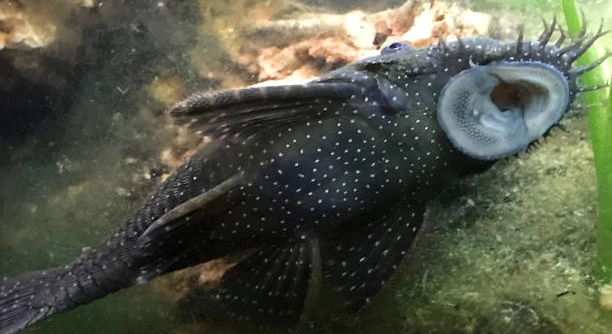
Adding two male Plecostomus fish together can be tricky, as these creatures can be territorial. It’s important to consider the size of the tank, their temperament, and the potential for aggression. Understanding these factors will help ensure they live peacefully together.
The simplest answer is that male Plecostomus should not be kept together in a small tank. They are territorial and may fight to establish dominance. This behavior can lead to stress, injury, or even death if they cannot establish boundaries.
Knowing how to set up their environment properly can make a big difference in how well they coexist. We will cover the key steps to ensure their well-being.
Tank Size and Space for Male Plecostomus
Male Plecostomus can grow quite large, so tank size is essential for their well-being. A tank that is too small can make them feel crowded and stressed, which could lead to territorial behavior. A 75-gallon tank is recommended for a single Plecostomus, and if you plan on housing more than one, consider going even larger. Providing ample space for each fish to have its own territory can reduce conflicts.
A larger tank not only helps with territorial issues but also provides more room for the fish to explore and stay active. Plecostomus are bottom dwellers, so they will often seek hiding spots or spaces where they can retreat when feeling threatened. If the tank is too small, these fish may become agitated and more prone to fighting.
Adding plenty of hiding spots and decorations, like caves or driftwood, is crucial. This gives each fish a sense of ownership over its area, lowering the chance of aggression. These elements help create a more comfortable environment where they can feel secure.
Monitoring Behavior
It’s important to observe the behavior of male Plecostomus when placed together.
When introducing male Plecostomus to one another, keep an eye on them for signs of aggression. Their size and territorial instincts often cause disputes, especially if they feel their space is being encroached upon. Monitoring closely during the first few days can help prevent unnecessary conflict.
Creating a Peaceful Environment
Adding plants, rocks, and caves is essential in creating a peaceful environment for male Plecostomus. These features allow the fish to claim their own spaces and reduce stress. When these fish feel secure in their surroundings, they are less likely to fight with one another.
By including plants like Anubias or Java fern, you can give the Plecostomus hiding spots and areas to graze. These plants will not only make the tank look more natural but also serve a functional purpose. Driftwood is also a good addition, as Plecostomus enjoy scraping it for food, and it creates natural hiding areas.
The layout of the tank plays a significant role in how well the Plecostomus will adapt to each other. Proper placement of decorations allows for a balance of territories and minimizes the chance of aggression. It’s important to make sure there are no open spaces where they may feel vulnerable. This arrangement can promote peaceful coexistence.
Water Quality and Temperature
Water quality and temperature are crucial for maintaining a healthy tank environment.
Plecostomus thrive in stable water conditions. Keeping the water clean by using a good filtration system is important, as poor water quality can stress the fish and lead to territorial aggression. Regular water changes, approximately 25% every two weeks, will help maintain a healthy environment. The water temperature should be kept between 75°F and 80°F (24°C – 27°C) to ensure comfort for the Plecostomus. Extreme fluctuations in temperature or water conditions may lead to stress and aggression.
In addition to water quality, ensuring proper oxygen levels is also key. A good filtration system will help oxygenate the water, which benefits all fish. Male Plecostomus will do better in an environment with consistent conditions, as sudden changes can trigger unwanted behavior.
Feeding Habits
Feeding Plecostomus a balanced diet is essential for their health. Provide them with algae wafers, sinking pellets, and fresh vegetables like zucchini or spinach. Ensuring they have enough food will keep them focused on eating instead of fighting over territory.
Overfeeding should be avoided, as it can lead to water quality issues and contribute to aggressive behavior. Feed them once or twice a day, offering only as much food as they can consume in 2-3 hours. This prevents leftover food from deteriorating and helps maintain a stable environment in the tank.
A varied diet will also ensure they receive the proper nutrients, keeping them healthy and less likely to stress. Fish that are well-fed tend to be calmer and less territorial.
Observation of Behavior
It’s crucial to monitor your male Plecostomus closely after introducing them to the tank. Watch for signs of aggression, such as chasing, fin nipping, or posturing.
If aggression persists, consider rearranging the tank decorations to break their territories and encourage peaceful behavior. Providing more hiding spots can also help reduce conflict by giving them individual spaces to retreat to. This way, each fish can feel secure and avoid unnecessary stress.
Tank Mates
Choosing compatible tank mates is another important factor to consider when housing male Plecostomus together.
Some species are more likely to tolerate Plecostomus than others. Smaller fish or peaceful species that don’t compete for territory can coexist well with Plecostomus. Avoid placing aggressive fish in the same tank, as this can heighten stress and trigger aggression between the Plecostomus themselves.
FAQ
Can two male Plecostomus live together?
While it’s possible for two male Plecostomus to live together, it’s not recommended unless you have a large enough tank and plenty of hiding spots. Male Plecostomus are territorial and can become aggressive towards one another, especially if the tank is too small. If you decide to keep them together, ensure the tank is large enough (75 gallons or more) and includes decorations that help break up their territories. Monitor their behavior closely, and be prepared to separate them if aggression escalates.
What size tank do I need for two male Plecostomus?
To house two male Plecostomus together, you’ll need a tank that is at least 100 gallons. This size ensures there is enough space for each fish to claim its territory without feeling overcrowded. The more space, the better, as it reduces the chance of territorial disputes. The tank should also have various hiding spots and decorations to give each fish its own space.
What can I do if my male Plecostomus are fighting?
If your male Plecostomus are fighting, try rearranging the tank’s layout. This disrupts their territories and may force them to establish new boundaries. Adding more hiding places, such as caves or plants, can help give them separate areas to retreat to when they feel threatened. If fighting continues, you may need to separate them into different tanks.
Do Plecostomus fight with other fish?
Plecostomus are generally peaceful bottom dwellers, but they can sometimes be territorial with other fish, especially in smaller tanks. They may show aggression if they feel their space is being encroached upon. Choose peaceful tank mates that won’t compete for the same bottom space or food sources. Avoid aggressive fish that may stress or provoke the Plecostomus.
How can I tell if my Plecostomus is stressed?
Stressed Plecostomus may exhibit signs such as rapid breathing, hiding more than usual, or becoming less active. They might also lose their appetite or show signs of fin damage from aggression. Monitoring water conditions, feeding habits, and behavior regularly can help you spot signs of stress early. If you notice stress, consider adjusting the tank environment or checking the water quality.
Do male Plecostomus need a mate to be happy?
Male Plecostomus do not need a mate to be happy. They are solitary fish that can live well on their own, provided they have enough space and a suitable environment. While they may engage in occasional interactions with other fish, they do not form long-term bonds like some species. They are more focused on their territory and food sources than companionship.
Can Plecostomus live with other species of Plecostomus?
Plecostomus can live with other Plecostomus, but it depends on the size of the tank and the temperament of the individual fish. Male Plecostomus are territorial, so you’ll need to ensure the tank is large enough to accommodate them without causing aggression. In most cases, having multiple Plecostomus in a tank works better if they are of different species or if the tank is exceptionally large and well-decorated to provide adequate space for each fish.
Are Plecostomus aggressive toward other species?
Plecostomus are generally peaceful but can become aggressive if they feel their territory is threatened. They may not actively seek out fights but will defend their space if they feel cornered. Avoid keeping them with aggressive or territorial fish that might challenge their space. Instead, opt for peaceful fish that won’t compete for the bottom space or resources.
What should I feed my Plecostomus?
Plecostomus are primarily herbivores and need a diet rich in plant material. Feed them algae wafers, sinking pellets, and fresh vegetables such as zucchini, spinach, and cucumber. They also enjoy occasional protein-rich foods like shrimp or bloodworms. Be sure to provide a balanced diet to ensure they remain healthy and reduce territorial stress caused by hunger.
Can Plecostomus live in freshwater tanks?
Yes, Plecostomus are freshwater fish and thrive in freshwater tanks. They prefer slightly acidic to neutral water conditions and a stable temperature range of 75°F to 80°F. Ensure the water is clean and properly filtered, as Plecostomus are sensitive to poor water quality. Regular water changes and proper filtration are essential for maintaining a healthy environment.
Do Plecostomus require special lighting?
Plecostomus do not require special lighting, but they do benefit from a well-lit tank that allows them to forage for algae. They are primarily nocturnal, so they are most active during the evening or in dim light. If you want to encourage natural behavior, provide moderate lighting that mimics natural conditions.
How can I maintain water quality for my Plecostomus?
To maintain water quality for your Plecostomus, install a reliable filtration system to keep the water clean and oxygenated. Perform regular water changes, at least 25% every two weeks, to remove waste and replenish essential minerals. Test the water regularly to ensure the pH, ammonia, nitrate, and nitrite levels are within safe ranges. Proper water maintenance is crucial to avoid stress and aggression in your fish.
Are Plecostomus sensitive to water changes?
Yes, Plecostomus can be sensitive to sudden changes in water conditions. Rapid shifts in temperature, pH, or hardness can cause stress and even illness. When performing water changes, try to match the temperature and water parameters as closely as possible to the existing tank water. Gradual changes are less likely to shock your fish.
Final Thoughts
Housing two male Plecostomus together is possible, but it requires careful consideration. These fish can be territorial, and without enough space or proper arrangements, they may become aggressive. A larger tank, with plenty of hiding spots and decorations to break up territories, is essential to help reduce the risk of conflict. You’ll also need to monitor their behavior closely, as aggression can still occur even with the best setup. If you notice signs of fighting, be ready to separate them to prevent harm.
It’s important to remember that Plecostomus are solitary by nature. While they may coexist peacefully in larger tanks, they don’t require a mate to thrive. Providing a suitable environment with good food, clean water, and space is enough for them to live a healthy and stress-free life. If you’re considering adding more than one Plecostomus, always ensure you have enough room in your tank and that the tank mates are compatible. Fish that won’t challenge the Plecostomus for space or food can help prevent aggression.
In the end, keeping male Plecostomus together can work with proper care, but it’s not always easy. Focus on creating a balanced, peaceful tank environment that meets their needs. This includes providing plenty of hiding places, keeping the water quality high, and feeding them a varied diet. If done correctly, you can enjoy watching your Plecostomus thrive and maintain their health. However, it’s essential to stay alert for any signs of stress or aggression and take quick action if needed.

Hello,
If you enjoy the content that we create, please consider saying a "Thank You!" by leaving a tip.
Every little bit helps us continue crafting quality advice that supports the health, happiness, and well-being of pets around the world, for pets of all shapes, sizes, and species.
We really appreciate the kindness and support that you show us!