
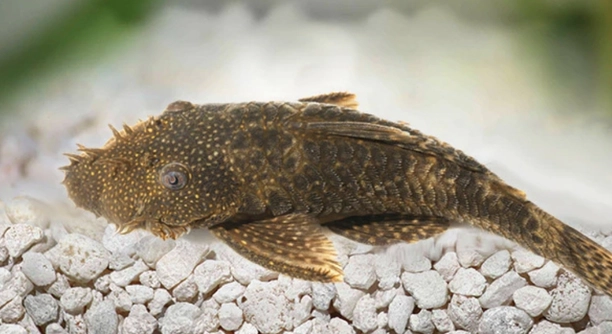
Is your pleco spending more time hiding or staying still than usual? While plecos are generally low-maintenance fish, observing their behavior closely can help you determine whether something’s off. Knowing when your pleco is truly resting or sick is crucial.
When plecos are sick, their behavior often changes. If your pleco is lying motionless for long periods, it might indicate illness rather than simple rest. Look for other symptoms, such as loss of appetite, abnormal swimming, or visible signs of distress.
Understanding these key signs will help you monitor your pleco’s well-being. Keep reading to learn how to spot whether your pleco is just sleeping or needs medical attention.
How to Tell if Your Pleco is Just Resting or Sick
Plecos are known for being peaceful and low-maintenance fish, often spending a lot of time resting in hidden spots. It’s natural for them to seek out dark areas and stay still, especially during the day. However, when they become inactive for extended periods or show other odd behaviors, it might indicate an issue. A healthy pleco usually has a routine, swimming around during feeding times or occasionally coming to the surface. If your pleco is resting more than usual and isn’t moving even when food is nearby, you should pay closer attention to other potential signs of illness.
If your pleco is sick, it may appear lethargic, swimming irregularly, or hiding for longer periods. Look out for changes in appetite, abnormal swimming patterns, or strange body markings. If your pleco seems stressed or keeps itself hidden without any clear reason, it’s time to evaluate its condition more closely.
Once you notice these changes, check the water parameters to rule out environmental factors. Poor water quality can stress your pleco, causing it to become lethargic. In this case, a water change can help improve the situation. However, if the behavior continues, you may need to seek veterinary advice to ensure your pleco’s health.
Recognizing Potential Illness Symptoms
Changes in behavior or appearance are often the first signs of sickness. Watch for unusual symptoms, such as lesions, faded color, or bloating. Immediate action can help.
Once you recognize that something is off, don’t hesitate to investigate further. Stress, poor water conditions, or illness can all cause your pleco to act differently. Make sure the water is clean and balanced before considering medical treatment, as poor water conditions are a common source of stress. If everything seems in order, a more thorough inspection of your pleco may be needed. Some conditions may require a special aquarium treatment, while others could be signs of a more serious issue that needs veterinary attention.
Monitoring Pleco Behavior and Health
If your pleco is becoming more reclusive or less active, it’s important to track how often this happens. Plecos can be shy, but extended hiding could be a sign of an underlying issue. Keep an eye on your fish’s movements to catch any concerning changes early on.
The key to understanding your pleco’s condition lies in careful observation. If it stays in one place for long periods and doesn’t respond to food or movement around the tank, there may be something wrong. Look out for signs like bloating or fin clamping, which could point to illness. Some plecos also change color when stressed or unwell, which is another red flag to watch for.
To get a clear picture, check the water conditions regularly. Ensure the temperature, pH, and ammonia levels are within the appropriate ranges for plecos. Poor water quality is often the root cause of stress or sickness, and addressing this issue can sometimes be enough to get your pleco back to normal. However, if the behavior continues, it might require further action.
Water Quality and Stress Management
Water quality directly affects the health of your pleco. Keeping the tank clean is one of the best ways to prevent stress and illness. Regular water changes are essential to maintain a healthy environment.
A pleco’s natural habitat is clear, clean water, so any fluctuation in its tank environment can lead to stress. Over time, poor water quality can suppress the pleco’s immune system, making it more susceptible to diseases. Test your tank’s water regularly, ensuring it meets the needs of your fish. If needed, install a high-quality filter to keep the water oxygenated and clean. Proper filtration helps keep harmful substances, such as ammonia and nitrates, at safe levels, reducing stress on your pleco.
If your pleco is still acting strangely, the issue may be deeper than just water quality. Temperature fluctuations, for example, can be just as harmful as dirty water. Make sure to use a reliable heater and thermometer to maintain a stable water temperature.
Identifying Common Pleco Illnesses
Plecos are prone to a few common diseases that can affect their health. If you notice abnormal behavior, it could be a sign of illness. Look out for symptoms such as faded colors, swollen bodies, or lesions on their skin.
External parasites like ich or skin infections can make your pleco appear lethargic or uncomfortable. You may also notice unusual spots or a slimy coating on its body. Internal issues like bloating or constipation are also possible. For each symptom, diagnosing the cause quickly can make all the difference in treatment. Keep an eye on any changes.
Pleco Behavior and Feeding Habits
If your pleco is no longer interested in food, this is a clear sign something might be wrong. Plecos are known to be opportunistic feeders, so a sudden loss of appetite could indicate stress or illness. When healthy, they are active eaters, especially during feeding times.
Make sure the food offered is appropriate and fresh, as poor food quality can also cause digestive issues. Sometimes, simply changing the type of food can spark your pleco’s interest. If it continues to refuse food, this may signal a more serious problem, requiring a closer examination.
Preventing Future Issues
The best way to prevent future problems is by maintaining a balanced and clean environment for your pleco. Regular tank maintenance, such as cleaning the filter and changing the water, can reduce the risk of health issues.
Ensuring proper water conditions and a stress-free environment can help your pleco stay healthy in the long run. Regularly monitor your pleco’s behavior and appearance to detect any signs of illness early. With a little attention, your pleco can live a long, healthy life.
FAQ
How can I tell if my pleco is stressed?
Stress in plecos often manifests through changes in behavior. If your pleco becomes unusually reclusive, stops eating, or displays erratic swimming patterns, these are signs of stress. Additionally, if the pleco develops darker colors or starts rubbing its body against objects in the tank, it could be stressed. Poor water quality or sudden changes in the environment can contribute to stress. Regular tank maintenance and stable conditions will help reduce stress levels.
Can a pleco sleep too much?
While plecos do spend a lot of time resting, excessive sleep could signal illness or poor water conditions. A pleco that stays in one spot for too long without moving, even when food is introduced, may be ill. However, plecos are nocturnal, so they are naturally more active at night. If you notice them staying still for prolonged periods during the day, especially if combined with other symptoms like loss of appetite or unusual behavior, it’s time to investigate further.
What temperature is best for a pleco?
Plecos thrive in water temperatures between 74-80°F (23-27°C). If the temperature is too low or too high, it can stress your pleco and lead to health issues. Installing a reliable aquarium heater with a thermometer will help maintain a consistent temperature. Avoid sudden temperature fluctuations, as they can be harmful.
Can plecos get constipated?
Yes, plecos can get constipated, especially if they are overfed or given the wrong type of food. A constipated pleco may appear lethargic and might not eat as much. You can try feeding them a small amount of blanched vegetables like zucchini or peas, which are known to help with digestion. If constipation persists, consider fasting the pleco for a day or two and monitor its condition.
Why is my pleco turning pale?
A pale pleco could be a sign of stress, illness, or poor water quality. Environmental stressors like dirty water, high ammonia levels, or drastic changes in tank conditions can cause color fading. Additionally, internal parasites or external infections could lead to pale coloration. Ensure the water parameters are within the ideal range and look for other symptoms to help determine the cause.
How often should I feed my pleco?
Plecos are typically bottom feeders and need a varied diet to stay healthy. Depending on the species and size, feeding them once or twice a day is sufficient. Make sure to offer them a mix of algae wafers, fresh vegetables, and occasional protein-rich foods like shrimp. Remove uneaten food after a few hours to avoid water contamination. Overfeeding can lead to water quality issues and obesity in plecos.
Why is my pleco’s fin clamped?
Clamped fins are a common sign of stress or illness. If your pleco is keeping its fins close to its body and not swimming normally, it may be feeling unwell. Possible causes include poor water conditions, a bacterial or fungal infection, or external parasites. It’s crucial to test the water quality and examine your pleco for other signs of illness. If the condition persists, consult a vet who specializes in aquatic animals.
How do I prevent my pleco from getting sick?
Preventing illness starts with maintaining a clean and stable tank environment. Regular water changes, monitoring water parameters (such as pH, ammonia, and nitrate levels), and avoiding overcrowding will reduce the risk of illness. Additionally, providing a balanced diet with the right nutrients will help boost your pleco’s immune system. If you introduce new fish or plants to the tank, quarantine them first to avoid spreading diseases.
Can plecos live with other fish?
Yes, plecos are generally peaceful and can live with most other fish. However, it’s essential to avoid tankmates that might stress them out, such as overly aggressive or territorial species. Since plecos can grow large, ensure your tank is spacious enough for them to coexist peacefully with other fish. Avoid overcrowding and monitor their behavior closely when introducing new tankmates.
What should I do if my pleco has white spots?
White spots on your pleco could be a sign of ich, a common parasitic infection. The parasites appear as small white dots on the skin, fins, and gills. To treat ich, increase the water temperature slightly and add aquarium salt, following the instructions carefully. You can also use a medication specifically designed for treating ich. Ensure the water quality is optimal to prevent further stress on your pleco.
Is my pleco sick or just resting?
It can be tricky to tell the difference between a resting pleco and a sick one, as plecos naturally rest during the day. Look for other symptoms such as lack of appetite, changes in swimming behavior, or unusual physical marks. If your pleco is hiding more than usual and not responding to food, it could be a sign of illness. Keep track of any changes and evaluate the water quality to rule out environmental factors. If the behavior continues, consult a vet or aquatic specialist.
Final Thoughts
Taking care of a pleco requires consistent attention to their needs and environment. While these fish are generally hardy, they can face health issues if their tank is not properly maintained. Regular water changes, monitoring temperature, and keeping the water clean are essential practices to ensure your pleco stays healthy. If you notice any changes in behavior or appearance, it’s important to act quickly and assess potential problems. By keeping a close eye on your pleco and maintaining stable water conditions, you can help prevent common health issues from becoming serious.
Plecos are nocturnal by nature, so it’s normal to see them resting or hiding during the day. However, when signs of stress or illness appear, it’s crucial to differentiate between regular behavior and potential health concerns. Pay attention to symptoms like loss of appetite, abnormal swimming, or physical changes such as pale coloring or fin clamping. These could all be indicators of underlying problems. Providing your pleco with a balanced diet, proper tank mates, and a stress-free environment will help them thrive and avoid unnecessary health issues.
In conclusion, monitoring your pleco’s behavior and water conditions closely is key to preventing and addressing health concerns. While it’s normal for them to rest or sleep during the day, any drastic changes in behavior should not be ignored. With the right care, plecos can live long, healthy lives. If you ever notice signs of illness or discomfort, it’s better to act sooner rather than later to avoid complications. Ensuring the best possible care for your pleco will help them feel safe and comfortable in their tank for years to come.

Hello,
If you enjoy the content that we create, please consider saying a "Thank You!" by leaving a tip.
Every little bit helps us continue crafting quality advice that supports the health, happiness, and well-being of pets around the world, for pets of all shapes, sizes, and species.
We really appreciate the kindness and support that you show us!