
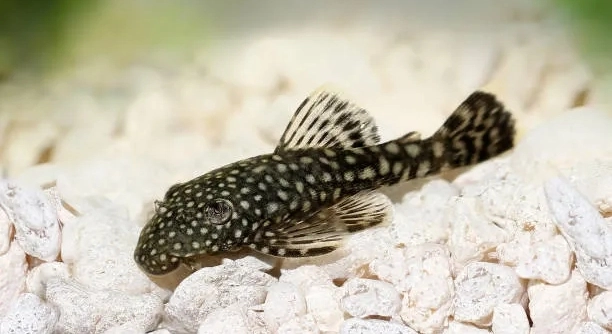
Aquascaping is a popular way to create a natural and beautiful environment for your fish. For Plecos, a species that enjoys plant life and hiding spots, aquascaping can help replicate their natural habitat.
To create a perfect aquascape for your Pleco tank, focus on plants, hiding spots, and water conditions that suit the species. A well-balanced environment will support the health of your Pleco while also adding aesthetic appeal.
Proper aquascaping involves more than just aesthetics. It’s essential to consider what makes your Pleco comfortable and healthy. Let’s explore the top tips for creating a successful tank environment.
Choosing the Right Substrate for Your Pleco Tank
Selecting the right substrate is crucial for your Pleco’s comfort. Plecos are bottom dwellers and spend a lot of time on the tank floor, so a soft, sandy substrate is ideal. This helps prevent injury to their sensitive bellies while also allowing them to forage naturally for food. Avoid sharp-edged gravel, as it can harm their skin and fins. Sand, however, is easy for them to dig through and mimic the riverbeds they come from.
You can use aquarium-specific sand or fine gravel as the base for your Pleco tank. Ensure that the sand is smooth, as rough textures can irritate their delicate bodies.
Make sure the substrate is deep enough to allow the Plecos to dig or hide. The depth should be at least 2 inches. You can also add layers, like nutrient-rich substrates underneath to promote plant growth. This setup can make your Pleco feel secure and help plants flourish in the tank.
Providing Hiding Spots for Your Pleco
Plecos need plenty of hiding spots to feel secure in their tank. In the wild, they often find shelter under rocks, driftwood, and other structures. You should recreate this by adding caves, hollow logs, or large rocks to the aquarium. This will provide your Pleco with areas to rest and retreat when they feel stressed or threatened.
You can use a variety of materials for creating hiding spots. Driftwood is an excellent option as it mimics the natural environment of Plecos. You can also add ceramic caves or decorative rocks to give them more places to explore. Just make sure the items are smooth to avoid injury.
It’s essential to ensure there are multiple hiding spots spread across the tank. This way, your Pleco won’t feel cornered or territorial. Adding hiding spaces at various depths and angles will also help create a more interesting and comfortable environment for them. Plecos love to retreat into these spots, especially during daylight hours when they feel vulnerable.
Choosing the Right Plants for Pleco Tanks
Plecos enjoy grazing on plants, so it’s important to select hardy plants that can withstand their nibbling. Fast-growing plants like Java moss, Anubias, and Java ferns are perfect. These plants are not only resilient but also provide necessary cover for your Pleco.
When placing plants in your tank, make sure they are securely rooted in the substrate. Some plants may require additional care, such as low lighting or nutrient supplementation, but most species can thrive with minimal maintenance. Use plants that grow to different heights to provide a diverse and balanced layout.
It’s also a good idea to include floating plants that offer shade and cover for your Pleco. Floating plants like water lettuce can help break up the light, making it easier for Plecos to feel safe. Plus, they create a more natural look while also providing food for smaller fish.
Maintaining Proper Water Conditions
Water quality is key to keeping your Pleco healthy. They thrive in clean, well-filtered water. Regular water changes and good filtration will help keep harmful toxins at bay and maintain a stable environment for your Pleco. Monitoring the pH levels is also important to ensure they stay within a suitable range.
Plecos prefer slightly acidic to neutral water, typically between 6.5 and 7.5 pH. Invest in a reliable aquarium test kit to check the water parameters regularly. Also, ensure the water temperature is stable, around 74-80°F (23-27°C). Any fluctuations can stress your Pleco, leading to health problems.
Lighting and Pleco Care
Plecos generally do not need strong lighting. They are nocturnal and prefer dimly lit environments. Use low-light settings to mimic the natural habitat where they feel comfortable. Overly bright lighting can stress your Pleco and encourage algae growth, which could affect the water quality.
Make sure the light cycle is consistent, aiming for about 8-10 hours of light per day. This helps maintain a healthy rhythm for your Pleco and other tank inhabitants. Adjusting the light intensity with a dimmer or shade can also help keep them calm and stress-free.
Adding a Pleco-Friendly Filtration System
A strong filtration system is crucial for maintaining clean water. Plecos are large fish that produce a lot of waste, so a filter that can handle high water volumes is necessary. Opt for a filter rated for a tank size larger than yours to ensure efficient filtration.
Canister filters are often the best choice because they provide strong, steady filtration while also being discreet. Make sure the filter’s intake is covered with a sponge to prevent the Pleco from getting sucked in. Regularly clean the filter to avoid clogs and maintain optimal water quality.
FAQ
How often should I feed my Pleco?
Plecos are scavengers and will often nibble on algae or leftover food in the tank. However, they still need regular meals. Feed them about 2-3 times a week with high-quality Pleco pellets or algae wafers. You can also provide occasional fresh vegetables like zucchini or cucumber. Avoid overfeeding, as it can pollute the water and harm your Pleco. Make sure to remove any uneaten food after a few hours to prevent it from decomposing in the tank.
Can Plecos live with other fish?
Yes, Plecos are generally peaceful fish that can live with a variety of other species. They typically don’t pose a threat to smaller fish, as they prefer to stay on the bottom of the tank. However, be cautious with aggressive species or very small fish that might be seen as food. Avoid housing them with fish that are highly territorial or active, as it could stress your Pleco. Plecos get along well with peaceful community fish like tetras, guppies, and mollies.
Do Plecos need a heater?
Plecos are tropical fish and need a heater to maintain a stable water temperature between 74-80°F (23-27°C). A consistent temperature helps keep them healthy and active. Fluctuating water temperatures can stress them, so invest in a quality aquarium heater with a reliable thermometer. This ensures the water remains within the ideal range.
What size tank do I need for a Pleco?
The size of the tank you need depends on the species of Pleco you have. A common Pleco, which can grow up to 18 inches, requires at least a 75-gallon tank. Smaller species, like the Bristlenose Pleco, can live in a 30-gallon tank. It’s important to provide plenty of space, as Plecos need room to swim and explore. A larger tank will also help maintain better water quality, which is essential for your Pleco’s health.
Why is my Pleco not eating?
If your Pleco is not eating, there could be several reasons. First, check the water parameters to ensure everything is within the correct range. Poor water quality can lead to a loss of appetite. Second, make sure the food you’re offering is appropriate for your Pleco’s diet. If they’re refusing prepared food, they might prefer fresh vegetables like cucumber or zucchini. Another possibility is stress; sudden changes in the tank environment or tankmates can cause a loss of appetite. If the issue persists, it may be worth consulting a vet.
How can I tell if my Pleco is stressed?
Stressed Plecos may display signs such as hiding more than usual, lethargy, loss of appetite, or erratic swimming patterns. They might also scrape their bodies against surfaces or the substrate, which can indicate irritation. Stress can be caused by poor water conditions, aggressive tankmates, or a lack of hiding spots. Ensuring your Pleco has enough space, hiding spots, and a stable environment can help reduce stress.
Are Plecos good algae eaters?
Yes, Plecos are known for their algae-eating habits. They spend a lot of time grazing on algae and detritus, which can help control algae growth in your tank. However, they should not be relied upon solely to keep algae levels in check. If you have a significant algae problem, regular tank maintenance, like cleaning the glass and using an algae scraper, will still be necessary. Providing Plecos with algae wafers and fresh vegetables will also ensure they get proper nutrition.
Can I trim my Pleco’s fins?
It is not recommended to trim your Pleco’s fins. Their fins are vital for their movement and overall health. If you notice any fin damage or deterioration, it’s more likely due to poor water conditions or aggression from other fish. In such cases, focus on improving the tank’s environment and check for any potential sources of stress. If needed, seek advice from an aquatic veterinarian to address any health issues.
Final Thoughts
Aquascaping a Pleco tank is not just about creating an aesthetically pleasing environment. It’s about ensuring that the setup supports the well-being of your Pleco while also mimicking its natural habitat. By focusing on key elements like substrate, plants, hiding spots, and proper water conditions, you can create a space that allows your Pleco to thrive. A well-maintained tank will not only be visually appealing but also contribute to your Pleco’s overall health and happiness.
Taking care of a Pleco involves more than just feeding and providing decorations. It’s essential to keep the water clean and stable. Plecos are sensitive to water quality, so having a good filtration system and regularly testing the water parameters is a must. Additionally, offering a balanced diet, including algae wafers and fresh vegetables, will ensure that your Pleco remains healthy. Remember that the tank should be large enough for the Pleco to swim freely and explore, especially as it grows. Overcrowding or poor tank conditions can cause stress, which can impact its health.
Ultimately, setting up a Pleco-friendly tank requires a bit of effort and attention to detail, but it’s worth it. By ensuring your Pleco has plenty of hiding spaces, appropriate plants, and a stable environment, you can help your fish live a long and healthy life. Keeping up with water changes, feeding habits, and overall tank care will also prevent potential problems. With the right approach, you’ll create a peaceful and thriving environment for your Pleco to enjoy.

Hello,
If you enjoy the content that we create, please consider saying a "Thank You!" by leaving a tip.
Every little bit helps us continue crafting quality advice that supports the health, happiness, and well-being of pets around the world, for pets of all shapes, sizes, and species.
We really appreciate the kindness and support that you show us!