
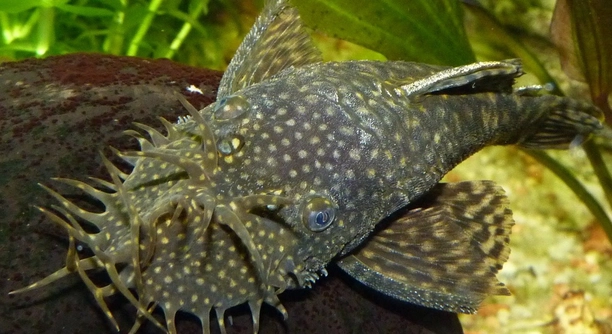
Common Plecos are popular aquarium fish, known for their peaceful nature and impressive size. If you’re considering adding one to your tank, it’s important to understand their space requirements for healthy growth. Proper tank size ensures their well-being.
A Common Pleco needs a minimum of a 75-gallon tank to accommodate its adult size, typically reaching up to 24 inches. These fish are active swimmers and require ample space to thrive in a healthy environment.
Providing the right tank size is essential for your pleco’s long-term health and comfort. In this article, we will explore the factors that influence tank size and how to properly set up a tank for these fascinating creatures.
Why Tank Size is Crucial for Common Plecos
When keeping a Common Pleco, choosing the right tank size is non-negotiable. These fish grow large, and a small tank won’t be suitable as they mature. A cramped environment can lead to stress, stunted growth, and even health problems. Unlike smaller fish that can manage in a modest space, Common Plecos require more room to swim, explore, and hide. A larger tank allows the pleco to engage in natural behaviors and helps maintain water quality, as larger tanks are easier to keep stable.
While it might seem manageable to start with a smaller tank, Common Plecos will quickly outgrow it. This leads to a situation where you either need to upgrade the tank or face the risk of the fish suffering from poor living conditions. A 75-gallon tank is the minimum recommended size, and it’s best to prepare for even larger tanks as your pleco grows.
In addition to the physical space needed, a larger tank also helps you maintain water parameters better. Since Common Plecos produce a lot of waste, a larger volume of water dilutes toxins, making it easier to keep the tank healthy and balanced. The extra space can also accommodate plants, rocks, and hiding spots, which are important for their well-being.
Factors That Influence Tank Size
The size of the tank isn’t the only factor to consider when planning for a Common Pleco.
Water quality, filtration, and the number of other fish in the tank can all affect how well the pleco thrives. A good filter is essential to keep the water clean, as plecos are messy eaters. If you keep more fish, you’ll need to account for their space and needs as well.
Tank Size and Growth Potential
The larger the tank, the better the growth potential for your pleco. Common Plecos need a lot of space to grow to their full size, which can reach up to 24 inches. If confined to a smaller tank, they won’t have the room to thrive.
A bigger tank doesn’t just help with space; it also improves the overall quality of life for your pleco. When given enough room, the pleco can move freely, which promotes healthy growth. Without this space, it can become stressed, potentially leading to shorter lifespans and poor health. You may notice your pleco swimming aimlessly or behaving oddly if they feel cramped.
Additionally, a larger tank gives you more flexibility with water changes and filtration. In a smaller tank, waste accumulates quickly, and water quality deteriorates faster. With a larger tank, it’s easier to keep the environment stable, helping your pleco grow healthy and strong over time.
Managing Water Quality in Larger Tanks
Water quality is crucial when you’re managing a larger tank for your pleco.
As the pleco grows, its waste production increases. A strong filtration system is necessary to ensure the water stays clean. Without it, toxins build up quickly, which can lead to health problems for your pleco. A good filter removes waste, ensuring your pleco has a healthy environment. Regular water testing helps you track the pH and ammonia levels, preventing issues before they arise.
Maintaining stable water parameters in a larger tank is easier due to the larger volume of water. Fluctuations in temperature or chemical imbalances have less of an immediate effect in a bigger tank. This makes it easier for your pleco to adapt and thrive in its environment.
Space for Hiding and Decorating
A larger tank offers space for adding hiding spots and decorations, which plecos love. They are bottom-dwelling fish and prefer having areas where they can hide and rest. This helps reduce stress and provides a more natural environment.
In a bigger tank, you can add caves, rocks, and plants that create the perfect hiding spots for your pleco. Without these hiding spots, your pleco might feel exposed and stressed, impacting its health. Plecos also enjoy grazing on algae that grow naturally on rocks and decorations, so providing them with these features enhances their well-being.
Tank Shape Matters
The shape of the tank can influence your pleco’s comfort and behavior.
Long tanks offer more horizontal space for swimming, which is ideal for plecos that enjoy swimming across large distances. A taller tank doesn’t offer as much room for movement, so it’s better to focus on length over height when choosing a tank for your pleco. A well-shaped tank contributes to the overall quality of life for your fish.
Maintenance and Cleaning
Keeping a large tank clean requires more effort but pays off in the long run.
Larger tanks tend to have more stable water conditions, but they still need regular maintenance. Routine water changes, cleaning filters, and checking water parameters are essential. This ensures that your pleco continues to thrive and that its environment remains safe.
FAQ
How big should a tank be for a Common Pleco?
A Common Pleco needs a tank that’s at least 75 gallons when it reaches adulthood. These fish grow large, sometimes reaching up to 24 inches, and require enough space to swim freely and explore. A smaller tank will stunt their growth and negatively affect their health. While you can start with a smaller tank when they’re young, it’s important to upgrade to a larger one as they grow. Some people may eventually need to move their pleco to a 100-gallon tank or bigger for optimal comfort and growth.
Can a Common Pleco live in a 20-gallon tank?
A 20-gallon tank is not suitable for an adult Common Pleco. These fish grow too large for such a small space. While a baby pleco can survive in a 20-gallon tank temporarily, they will quickly outgrow it. As they mature, their space needs increase, and they will need a larger tank to remain healthy. If you want to provide the best environment for your pleco, aim for a 75-gallon tank or larger.
What are the minimum tank requirements for a pleco?
The minimum tank size for a Common Pleco is 75 gallons. However, this is just the bare minimum. For long-term health, a larger tank is recommended. You should also have a strong filtration system, as plecos produce a lot of waste. Regular water changes, a stable temperature between 75-80°F, and proper water conditions will ensure your pleco thrives.
How fast do Common Plecos grow?
Common Plecos grow quite quickly in the first few years of life. In a well-maintained tank with good water quality, they can grow up to 12 inches in the first year. After that, their growth rate slows down but they can still reach their full size of 24 inches in about 3-5 years. The right tank size is crucial for them to reach their maximum growth potential.
Can a pleco live with other fish?
Yes, Common Plecos are generally peaceful and can live with other fish, but you should choose tank mates carefully. They are best housed with other peaceful species. Avoid keeping them with aggressive or territorial fish that may stress or harm them. Also, because plecos are bottom-dwellers, make sure your tank mates don’t overcrowd the bottom areas of the tank.
How often do I need to clean the tank for a pleco?
In a large tank, you should clean the tank and perform water changes about once a week. Plecos produce a lot of waste, which can quickly lower water quality. Regular maintenance is essential to keep the water clean and healthy. Ensure that your filter is working well, and check water parameters regularly to avoid ammonia buildup. It’s also a good idea to vacuum the substrate to remove uneaten food and waste.
What do Common Plecos eat?
Common Plecos are omnivores and enjoy a varied diet. They primarily eat algae, but you can supplement their diet with sinking pellets, vegetables like zucchini, and occasional protein like bloodworms or shrimp. Plecos are excellent at cleaning algae off surfaces in the tank, but they still need extra food to stay healthy. Make sure to feed them a balanced diet to prevent malnutrition.
Do Common Plecos need a lot of hiding spots?
Yes, Common Plecos benefit from having hiding spots in their tank. They are bottom-dwelling fish and prefer places where they can rest and feel safe. Adding caves, rocks, or plants will provide them with places to hide, reducing stress and making them feel secure. This is especially important if you have other fish in the tank, as plecos like to have their own space.
Do Common Plecos need a heater?
Yes, Common Plecos are tropical fish and require a stable water temperature between 75°F and 80°F. A reliable aquarium heater is necessary to maintain the correct temperature. Sudden fluctuations can stress the pleco, leading to health issues. Make sure to check the temperature regularly to keep it within the ideal range for your pleco’s well-being.
What is the lifespan of a Common Pleco?
Common Plecos typically live for 10-15 years in a well-maintained tank. Some individuals have even been known to live longer, especially when provided with a spacious tank, proper diet, and good water quality. Providing the right environment for your pleco will help ensure a long and healthy life.
Are Common Plecos good algae eaters?
Yes, Common Plecos are excellent algae eaters and will spend a lot of time grazing on the surfaces of the tank. They are particularly effective at cleaning glass, rocks, and decorations. However, while they help control algae, they should still be fed supplemental food as algae alone won’t provide all the nutrients they need.
Can Common Plecos live in cold water?
No, Common Plecos are tropical fish and need warm water to thrive. They cannot live in cold water aquariums, as their bodies aren’t built to survive in lower temperatures. Cold water can weaken their immune system, making them susceptible to diseases. A heater is necessary to maintain a temperature between 75°F and 80°F.
Final Thoughts
Choosing the right tank size for a Common Pleco is crucial to their health and well-being. These fish can grow quite large and need plenty of space to swim and explore. While a 75-gallon tank is the minimum required for an adult pleco, it’s best to aim for a larger tank if possible. Providing enough room ensures that your pleco won’t feel cramped, which can lead to stress and health issues. A larger tank also makes it easier to maintain water quality, which is essential for the fish’s long-term health.
In addition to tank size, it’s important to consider other factors like filtration and water quality. Plecos are messy eaters, and they produce a lot of waste, which can quickly affect the water if not managed properly. A strong filtration system is a must to keep the water clean and healthy. Regular water changes, checking water parameters, and ensuring stable temperatures all play a role in creating a healthy environment for your pleco. The more effort you put into maintaining the tank, the better the chances are that your pleco will live a long, happy life.
While plecos are relatively low-maintenance in terms of social needs, they still require the right tank setup to thrive. Along with a spacious tank, providing hiding spots and appropriate tank mates will help keep your pleco calm and stress-free. They also benefit from a varied diet that includes algae, sinking pellets, and occasional vegetables. By meeting these basic needs, your pleco will have a much higher chance of reaching its full growth potential and living a healthy life in your aquarium.

Hello,
If you enjoy the content that we create, please consider saying a "Thank You!" by leaving a tip.
Every little bit helps us continue crafting quality advice that supports the health, happiness, and well-being of pets around the world, for pets of all shapes, sizes, and species.
We really appreciate the kindness and support that you show us!