
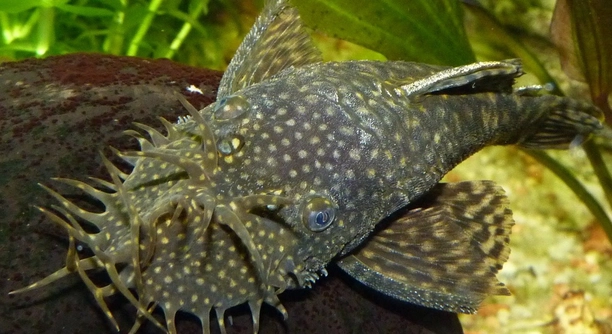
Plecostomus, commonly known as plecos, are popular aquarium fish that help keep tanks clean by eating algae. However, sometimes they stop eating algae, which can be concerning for aquarium owners.
Several factors can cause plecos to stop eating algae. These include changes in water quality, insufficient algae growth, improper diet, and stress. Addressing these factors can help ensure your pleco continues to thrive and maintain a healthy diet.
Identifying these reasons will guide you in restoring your pleco’s eating habits and ensuring its well-being in the tank.
Water Quality Issues
Water quality plays a significant role in your pleco’s health and eating habits. Poor water conditions can lead to stress and reduced appetite. Ammonia, nitrates, and nitrites in high concentrations can disrupt their natural behavior and make them less interested in algae. It’s essential to keep the water clean and maintain proper filtration. Regular water changes and checking water parameters are key steps in ensuring your pleco stays healthy and keeps eating algae.
Maintaining the right water parameters helps your pleco feel safe and comfortable, which is important for its feeding behavior.
Consistent monitoring of water conditions, such as pH, hardness, and temperature, will give you a clear picture of the environment. A water test kit is a helpful tool to track changes in water quality. If any levels are off, it’s important to make adjustments quickly. Stress caused by poor water quality can lead to a decrease in appetite and overall health, so addressing these issues promptly will help your pleco continue eating algae.
Insufficient Algae Growth
If there isn’t enough algae in the tank, your pleco might stop eating it. They are naturally inclined to feed on algae, but in some cases, algae growth might be limited. Lighting levels, water flow, and tank cleanliness all affect algae growth. If algae isn’t growing fast enough, plecos may look for other food sources.
Consider adding algae wafers or vegetables to your pleco’s diet to supplement their meals.
Algae can be slow to grow in certain conditions. Tanks with low light or high water movement may struggle to sustain a consistent algae supply. Additionally, frequent tank cleanings or algae-eating competition from other fish can further reduce the available algae. In these situations, offering other food options ensures that your pleco gets the nutrition it needs while keeping its feeding habits intact.
Stress and Environmental Changes
Plecos are sensitive to stress, which can affect their feeding. Sudden changes in the environment, such as new tankmates, tank relocation, or loud noises, can cause anxiety. When stressed, they may refuse food, including algae. It’s important to maintain a stable environment to prevent unnecessary stress and keep your pleco comfortable.
Stress can result from various factors, including changes in tank layout, bright lighting, or fluctuating water conditions. These disturbances can lead to your pleco avoiding algae. A stressed pleco is also more likely to hide or become inactive, which further reduces its chances of feeding. Keeping the tank environment calm and consistent will help prevent this behavior.
To minimize stress, try to avoid moving tank decorations too frequently. Additionally, ensure that your pleco has enough space to hide in caves or plants if needed. A stable, predictable tank setup will make your pleco feel more secure and encourage a healthier feeding routine. A calm, consistent environment is crucial for maintaining your pleco’s appetite.
Inadequate Diet
A pleco may stop eating algae if it is not receiving a well-rounded diet. While algae is a primary food source, plecos need additional nutrients to stay healthy. A lack of variety, such as missing vegetables or protein, can lead to nutritional deficiencies and a decreased appetite for algae.
Adding foods like spinach, zucchini, and algae wafers can help supplement their diet. This balance ensures your pleco remains active and interested in its meals. Without proper nutrition, plecos may become less motivated to feed on algae or any other food in the tank.
Offering a variety of food options gives your pleco the nutrients it needs and encourages a consistent feeding pattern. This will also keep it from becoming too dependent on algae, which may not always be sufficient to meet its dietary needs. By offering additional food, you are helping your pleco maintain a healthy, balanced diet.
Tank Size and Space
If your pleco is in a tank that is too small, it may become stressed or feel cramped, leading to changes in behavior, including not eating algae. Plecos need ample space to move freely and graze. A larger tank provides more room for algae to grow and for your pleco to roam.
A cramped environment also means less access to algae, which can impact their feeding habits. If possible, provide your pleco with a tank that meets its space requirements. This ensures a more natural environment, promoting healthier behaviors and more consistent feeding.
Temperature and Lighting
Water temperature and lighting directly affect a pleco’s appetite. Plecos prefer water temperatures between 74-80°F. If the temperature fluctuates or becomes too warm, it can stress them, causing them to stop eating algae. A stable, moderate temperature encourages healthy feeding.
Inconsistent lighting also affects algae growth. If the light cycle is too long or too short, it can hinder algae production. Adjusting the light duration to 8-10 hours per day ensures a healthy growth of algae while keeping your pleco comfortable. These simple changes can help boost your pleco’s feeding habits.
Health Issues
Illnesses can cause a pleco to lose interest in eating algae. Parasites, infections, or internal health issues may make it difficult for your pleco to feed. Look for signs of lethargy, unusual behavior, or visible symptoms of disease. Immediate attention can prevent worsening conditions.
Health problems like parasites or infections can alter their feeding routine. A thorough check-up and proper treatment will ensure your pleco recovers and starts eating normally again. Keep the water conditions optimal to prevent the spread of illness and ensure that your pleco maintains a healthy immune system.
FAQ
Why is my pleco not eating algae?
Several factors can contribute to your pleco not eating algae. The most common reasons include poor water quality, lack of sufficient algae, stress, or an inadequate diet. When the water quality is poor, such as high ammonia or nitrite levels, plecos may avoid eating. Additionally, if the tank is too clean, or algae is sparse, your pleco may simply not have enough food. Stress from environmental changes or tankmates can also affect their feeding. Providing a stable, clean environment and supplementing their diet with other food sources can help.
How can I get my pleco to eat more algae?
To encourage your pleco to eat more algae, make sure it has access to plenty of natural algae growth. Reduce the amount of cleaning you do in the tank, as overcleaning can remove too much algae. You can also use algae wafers or provide vegetables like zucchini and spinach to stimulate their appetite. Keeping the tank’s water quality in check and reducing any stress will also make your pleco more likely to consume algae.
What is the ideal tank size for a pleco?
Plecos need space to swim and graze. The minimum recommended tank size is 30 gallons, though larger tanks are better, especially for larger species of plecos. Providing enough space not only reduces stress but also ensures there is enough algae and other food sources for your pleco to eat. A cramped tank can lead to poor feeding behavior and health issues.
Can a pleco eat too much algae?
While plecos are algae eaters, they should not rely solely on algae as their diet. Overconsumption of algae can cause an imbalance in their nutritional intake, leading to malnutrition. Plecos require a balanced diet, including vegetables and protein-based foods, to stay healthy. Offering them a variety of food sources ensures they do not become overly dependent on algae.
Why is my pleco acting lethargic?
Lethargy in a pleco can be a sign of stress, illness, or poor water quality. Stress can result from environmental changes, overcrowding, or aggressive tankmates. Illnesses such as parasitic infections can also cause plecos to become sluggish. Poor water quality, particularly high levels of ammonia or low oxygen, can contribute to lethargy as well. Make sure your pleco has stable water conditions and a suitable environment to thrive.
How do I know if my pleco is stressed?
Stressed plecos may display several signs, such as hiding more than usual, refusing food, or becoming more aggressive toward other fish. Stress can result from poor water quality, environmental changes, or overcrowding. If you notice any unusual behavior, check the tank’s parameters, such as temperature, pH, and ammonia levels. Ensuring a calm and stable environment can help reduce stress and encourage healthier feeding habits.
Can I feed my pleco too much?
Feeding your pleco too much can lead to overfeeding, which can cause water quality issues and health problems. Plecos should be fed a variety of foods, but only in amounts they can consume within a short period. Remove any uneaten food to prevent it from decomposing and affecting water quality. Overfeeding can also lead to obesity, a condition that affects their ability to move and feed properly.
How often should I feed my pleco?
Plecos should be fed once a day or every other day, depending on their size and the amount of algae available in the tank. Young plecos may need more frequent feeding, while adults can be fed less often, especially if there is enough algae. It’s important to monitor their eating habits and adjust feeding schedules based on their appetite and overall health.
What should I feed my pleco if there is no algae?
If your tank lacks algae, plecos can be fed with algae wafers, zucchini, spinach, and other leafy greens. You can also offer small amounts of protein-based foods, such as bloodworms or shrimp. Plecos also enjoy cucumber, sweet potato, and blanched carrots. Providing variety ensures they get the necessary nutrients while they continue to eat algae if available.
Why is my pleco hiding all the time?
Hiding is a common behavior for plecos, especially if they are stressed, sick, or feeling unsafe. A pleco may seek refuge in caves or behind plants to avoid aggressive tankmates, bright lights, or other disturbances. While occasional hiding is normal, excessive hiding may indicate underlying issues such as poor water quality, a lack of food, or illness.
Do plecos need a filter?
Yes, plecos need a filter to maintain water quality. They produce a significant amount of waste, and without proper filtration, the water can become polluted quickly. A good filter will help remove debris, waste, and harmful substances like ammonia and nitrites. Ensure the filter is appropriately sized for the tank and clean it regularly to maintain optimal conditions.
Can plecos live with other fish?
Plecos are generally peaceful but can become territorial as they grow, especially in smaller tanks. They usually coexist well with non-aggressive fish. However, it is important to avoid housing them with smaller fish that they might accidentally harm or eat. Plecos can be great tankmates for larger peaceful fish that won’t bother them.
Final Thoughts
Plecos are wonderful fish to have in a tank due to their natural ability to help control algae growth. However, when they stop eating algae, it can be concerning. Understanding the various factors that affect their feeding habits is crucial to ensuring your pleco remains healthy and well-fed. Water quality, stress, tank size, and the availability of algae all play a role in their appetite. By keeping these factors in check, you can help your pleco stay on track with its diet.
Maintaining a clean and stable environment is essential for plecos to feel safe and comfortable. This includes keeping the water conditions optimal, providing enough space for the pleco to swim, and ensuring that they have access to sufficient algae or other food sources. If your pleco isn’t eating algae, it’s worth checking the water parameters, such as temperature, pH, and ammonia levels, as well as the overall layout of the tank. It’s also important to offer a varied diet to avoid malnutrition and keep your pleco engaged in its feeding routine.
Finally, it’s important to be patient and observant. Sometimes, a pleco’s change in eating habits can be due to a temporary issue, like stress or a slight change in its environment. However, if the problem persists, it may be necessary to seek further advice from an aquarium professional. Regular monitoring and maintaining a well-balanced tank will support the health of your pleco and ensure it continues to thrive. Keeping your pleco’s environment stable and providing it with the right food will lead to a healthy, happy fish.

Hello,
If you enjoy the content that we create, please consider saying a "Thank You!" by leaving a tip.
Every little bit helps us continue crafting quality advice that supports the health, happiness, and well-being of pets around the world, for pets of all shapes, sizes, and species.
We really appreciate the kindness and support that you show us!