
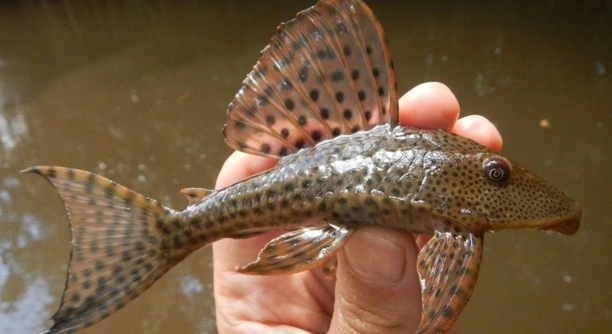
Heavy breathing in a plecostomus can signal various health issues or environmental stress. Identifying the root cause can help restore their well-being and comfort in your aquarium.
The main reason for heavy breathing in a plecostomus is typically poor water quality, low oxygen levels, or stress from overcrowding. These factors can cause respiratory distress, leading the fish to breathe heavily as it seeks relief.
Proper water care and monitoring can help address underlying issues. Maintaining a stable and clean environment is essential for your pleco’s health and longevity.
Water Quality and Its Impact on Your Plecostomus
Water quality is a critical factor in maintaining your plecostomus’s health. If the water in your tank contains high levels of toxins, such as ammonia or nitrites, it can cause stress to your pleco. These toxins build up due to inadequate filtration or infrequent water changes. Over time, poor water quality leads to difficulty breathing, which is often the first sign your pleco is in distress. Regular water testing and keeping the tank clean will help prevent this issue. Make sure the pH level, temperature, and hardness are within the acceptable range for plecostomus species.
To improve water quality, perform frequent partial water changes and invest in a high-quality filter that can handle the tank’s size. Additionally, consider using aquarium additives that promote healthy water chemistry. Keeping a consistent maintenance schedule ensures that toxins do not accumulate, preventing stress and respiratory problems for your plecostomus. This routine care is essential for preventing breathing issues.
Monitoring water conditions is one of the most effective ways to keep your pleco healthy. Taking steps to improve water quality will help prevent breathing difficulties and keep your fish active and thriving.
Oxygen Levels and Their Effect on Breathing
Low oxygen levels in your aquarium can cause your plecostomus to breathe heavily. Oxygen deficiency may result from overcrowding, poor water circulation, or insufficient surface agitation.
A tank with adequate oxygen levels ensures your pleco’s gills can function properly, supporting its respiratory health. Consider adding a bubbler or adjusting your filter to increase oxygenation.
Stress and Its Role in Breathing Issues
Stress is a major factor that can cause your plecostomus to breathe heavily. Factors such as sudden changes in the tank, aggressive tankmates, or loud noises can contribute to this stress.
Plecos are sensitive to changes in their environment. If there’s a significant shift, like a sudden temperature change or an introduction of new fish, your pleco might feel threatened, causing rapid breathing. Consistent conditions help reduce anxiety, which prevents stress-related breathing issues. Keep the tank stable, avoid overcrowding, and choose tankmates that are peaceful and compatible with plecos.
Make sure to provide your plecostomus with hiding spots and places where it can feel secure. This will reduce stress levels and promote a more natural, relaxed environment for your pleco. A calm, stable tank reduces the likelihood of your plecostomus experiencing distress that affects its breathing.
Tank Size and Overcrowding
Overcrowding your tank can lead to poor oxygen distribution and increased competition for space, both of which stress your plecostomus. In a small tank with too many fish, your pleco may struggle to get enough oxygen, leading to labored breathing.
A spacious tank allows your plecostomus to move freely, reducing stress and improving its respiratory function. Plecos are large fish and need adequate space to swim and explore. If your tank is too small, it may cause them to feel trapped and stressed. Ensure your plecostomus has ample room, and avoid overcrowding by monitoring the fish population.
Invest in a larger tank or consider reducing the number of fish if you notice your pleco breathing heavily. This change will promote better air circulation and reduce the stress your pleco faces in an overcrowded environment.
Poor Filtration and Its Effects
A weak or ineffective filtration system can cause toxins to build up in the water, making it difficult for your plecostomus to breathe properly.
Your pleco needs clean water to thrive, and a strong filtration system is essential for maintaining a healthy environment. Without proper filtration, waste and debris accumulate, reducing oxygen levels and increasing stress.
Make sure your filtration system is suitable for the size of your tank. A good filter keeps the water clean and promotes better oxygenation, which reduces the likelihood of your pleco struggling to breathe.
Temperature Fluctuations
Temperature changes can cause your plecostomus to breathe heavily. Plecos are sensitive to sudden temperature shifts, and extreme variations can stress them out.
To prevent breathing issues, keep your tank’s temperature stable. Use a reliable heater and thermometer to monitor and adjust the temperature. Rapid changes or temperatures outside the ideal range can impair your pleco’s ability to breathe comfortably.
FAQ
Why is my plecostomus breathing heavily?
Heavy breathing in your plecostomus often results from poor water quality, low oxygen levels, stress, overcrowding, or temperature fluctuations. If your pleco is having trouble breathing, it’s essential to evaluate water conditions and tank environment. Check for ammonia, nitrite, and nitrate levels, and ensure the oxygen levels are sufficient. Keep the tank clean and ensure your pleco isn’t stressed by changes or tankmates. A consistent temperature will also help your pleco breathe easier.
What can I do to improve oxygen levels for my plecostomus?
To improve oxygen levels, you can add an air stone or increase water movement with a stronger filter or pump. These actions help surface agitation, which increases oxygen exchange. Make sure your pleco’s tank has proper water circulation and avoid overcrowding. If possible, introduce plants to help oxygenate the water naturally. Regular water changes also help maintain optimal oxygen levels for your plecostomus.
Can stress affect my plecostomus’s breathing?
Yes, stress is a significant factor in causing rapid breathing. Changes in the tank, new tankmates, or sudden noise can make your plecostomus feel threatened, which leads to heavy breathing. Stress can also lower the fish’s immune system, making it more susceptible to illness. Providing plenty of hiding spaces, stable conditions, and avoiding aggressive tankmates can reduce stress and improve your pleco’s breathing.
How often should I change the water in my plecostomus’s tank?
It’s recommended to change about 25% to 30% of the water in your plecostomus’s tank every 2 weeks. In heavily stocked tanks or if you notice poor water quality, you may need to change the water more frequently. Consistent water changes reduce the buildup of harmful toxins, such as ammonia and nitrites, ensuring your plecostomus can breathe properly.
Is my plecostomus sick if it’s breathing heavily?
Heavy breathing can be a sign of illness, but it is often related to environmental factors like poor water quality, low oxygen, or stress. Before jumping to conclusions, evaluate the water conditions, tankmates, and temperature. If your plecostomus continues to breathe heavily despite improving its environment, it might be a good idea to consult a vet or aquatic specialist to rule out any health issues.
What temperature should my plecostomus’s tank be?
Plecostomus thrive in water temperatures between 74°F and 80°F (23°C to 27°C). Temperature fluctuations outside this range can stress your pleco and cause respiratory problems. Use a reliable heater and thermometer to monitor the tank’s temperature. Sudden temperature changes can also affect the oxygen levels in the water, which is another reason to keep it stable.
Can overcrowding cause heavy breathing in my plecostomus?
Yes, overcrowding can lead to poor water quality and low oxygen levels, both of which stress your plecostomus and cause heavy breathing. Ensure your tank is large enough to accommodate your pleco and other tankmates without overcrowding. A general rule is to allow at least 20 gallons of water per plecostomus to prevent overcrowding and maintain proper oxygen levels.
How do I know if my plecostomus is not getting enough oxygen?
Signs that your plecostomus might not be getting enough oxygen include rapid breathing, staying near the water surface, or spending excessive time at the filter output where oxygen levels are higher. To confirm, check the oxygen levels in the water and ensure proper filtration and aeration. If oxygen levels are low, consider adding an air pump or adjusting the filter for better water circulation.
Should I reduce the number of fish in the tank to help my plecostomus?
If your plecostomus is showing signs of stress or heavy breathing, reducing the number of fish in the tank may help. Fewer fish mean better water quality, more oxygen, and less competition for space. Be sure to also check that your tank is large enough for the remaining fish. Reducing the number of fish in an overcrowded tank can significantly improve your plecostomus’s breathing and overall health.
What can I do to help my plecostomus if it’s stressed?
If your plecostomus is stressed, consider creating a more peaceful and stable environment. Add hiding spots using rocks or driftwood to help it feel secure. Avoid loud noises or sudden changes in the tank. Keep tankmates that are peaceful and not overly aggressive. Ensuring a consistent water temperature and proper oxygen levels will also reduce stress.
Why does my plecostomus breathe heavily after water changes?
After water changes, your plecostomus may breathe heavily as it adjusts to the new water conditions. If the water temperature or pH fluctuates, it can cause temporary stress and breathing problems. To avoid this, try to match the new water’s temperature and pH to the tank water before making the change. Also, ensure that the water you add is properly conditioned to remove chlorine or chloramine, which can harm your pleco.
Can plecostomus breathe in low-flow tanks?
Plecostomus can live in low-flow tanks, but they might have difficulty breathing if oxygen levels are not maintained properly. Low-flow tanks may reduce surface agitation, which helps oxygenate the water. If you have a low-flow setup, consider adding a filter or air pump that provides gentle circulation to improve oxygen levels without disturbing your plecostomus too much.
Final Thoughts
Addressing heavy breathing in your plecostomus is important to ensure its well-being. Often, the cause lies in the water quality, tank conditions, or stress factors. It’s essential to regularly monitor your tank for any changes that could lead to breathing issues. Keeping the water clean, ensuring proper filtration, and maintaining stable temperature conditions can go a long way in preventing problems. A plecostomus that is breathing heavily might also be struggling with low oxygen levels, so enhancing water circulation through air stones or filters can help provide relief. If you notice your pleco still struggling, it’s worth investigating any potential diseases or health issues that might be affecting it.
Managing stress is another key factor in reducing heavy breathing. Plecostomus are sensitive to changes in their environment, so creating a calm, consistent space for them to live in is crucial. Avoid sudden changes, like introducing aggressive tankmates or altering water conditions too quickly. Providing hiding spots can give your pleco a sense of security. Reducing overcrowding will also help, as too many fish in one tank can cause low oxygen and increase stress. By maintaining a peaceful environment, your plecostomus will be less likely to experience stress that could lead to breathing problems.
In cases where environmental changes don’t solve the issue, it’s a good idea to seek advice from an aquarium professional. Persistent heavy breathing could be a sign of an underlying health problem. Consulting an expert can help you determine the cause and find the right treatment. Regular care, monitoring, and proper tank conditions can significantly reduce the likelihood of breathing issues, leading to a healthier and happier plecostomus. With these steps, your pleco can thrive in its environment, and its breathing should return to normal over time.

Hello,
If you enjoy the content that we create, please consider saying a "Thank You!" by leaving a tip.
Every little bit helps us continue crafting quality advice that supports the health, happiness, and well-being of pets around the world, for pets of all shapes, sizes, and species.
We really appreciate the kindness and support that you show us!