
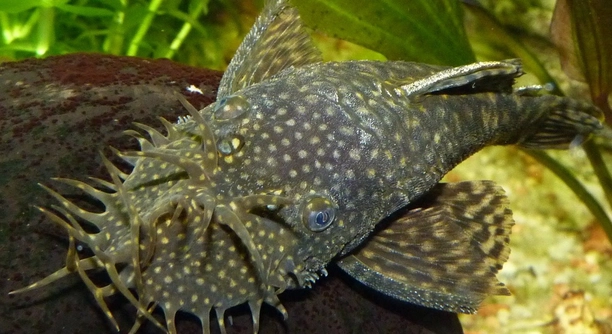
A pleco is a popular freshwater fish that many hobbyists keep in community tanks. These bottom-dwelling fish are known for their algae-eating habits, which can help maintain a clean aquarium. However, their happiness in a shared environment is important.
Plecos can thrive in community tanks if their specific needs are met. They require adequate space, clean water, and compatible tankmates to feel comfortable and healthy. Without these factors, a pleco may experience stress or other health issues.
There are several key aspects to consider to ensure your pleco is happy. By paying attention to water quality, tank size, and their social environment, you can create the perfect setting for your pleco’s well-being.
Space Requirements for a Happy Pleco
Plecos need plenty of space to swim and explore. A small tank can cause stress for them, especially as they grow larger. A minimum of 75 gallons is recommended for adult plecos. Smaller tanks can limit their movement, making them unhappy and potentially unhealthy. If you have more than one pleco, even more space is necessary to keep the peace.
Providing enough room helps avoid territorial behaviors and promotes natural activity. It’s important to ensure that your pleco has ample space to grow and feel secure in the tank. When space is limited, your pleco may start showing signs of stress.
A larger tank also provides better water quality management. Plecos, especially when mature, produce a considerable amount of waste. In smaller tanks, this can quickly lead to poor water conditions, which can harm your pleco. Proper filtration is also essential to maintain a healthy environment. A spacious tank encourages a cleaner and more stable living space for your pleco.
Tankmates and Compatibility
Plecos are typically peaceful, but choosing compatible tankmates is essential. Avoid aggressive fish that might intimidate or harm your pleco.
Larger, calmer fish such as tetras, angelfish, or other peaceful bottom dwellers are ideal tankmates. It’s important to avoid overly aggressive species like cichlids or fish that may nip at the pleco’s fins. When tankmates are not well-chosen, your pleco could experience stress, which may lead to poor health.
Plecos may occasionally show territorial behavior, but this can usually be avoided with proper space and hiding spots. Make sure there are places in the tank where they can retreat to if they feel threatened. Adding plenty of decorations like rocks, caves, or plants will help create separate spaces for all your fish. This reduces the likelihood of aggression and helps your pleco feel secure in its environment. By selecting peaceful, compatible tankmates, you help ensure a more harmonious tank for everyone.
Water Quality and Temperature
Plecos are sensitive to water conditions, so keeping the water clean and stable is key. Regular water changes and a good filtration system are essential to maintain a healthy environment. Water temperature should stay between 74°F and 80°F for optimal pleco health.
Proper filtration helps keep ammonia and nitrites at safe levels. Plecos produce a lot of waste, so having a filter rated for a tank larger than your actual setup can handle the load. Make sure to test the water frequently for pH, hardness, and nitrate levels. Consistent water quality ensures your pleco will stay happy and stress-free.
Water changes should be done regularly, usually once a week or every two weeks, depending on tank size and stocking level. A clean tank reduces the chances of disease and keeps your pleco from feeling stressed. Consistent water maintenance also ensures that your pleco has the best chance at living a long, healthy life.
Hiding Spots and Tank Decoration
Plecos need hiding spots to feel secure. Adding caves, rocks, or driftwood to your tank gives them places to rest when they feel threatened. These hiding places help them avoid stress caused by overly curious or aggressive tankmates.
Plecos enjoy being nocturnal and often hide during the day. A well-decorated tank allows them to rest comfortably in a safe space, especially during the daytime when they might prefer to stay out of sight. Driftwood not only offers hiding spots but also provides the pleco with food, as they sometimes nibble on it.
Tank decoration also plays a role in maintaining water quality. Live plants and rocks can help provide surfaces for algae to grow, giving your pleco a natural food source. The more varied and secure the environment, the less stressed your pleco will feel. Ensuring that there are plenty of hiding spots also helps balance the tank’s ecosystem.
Feeding and Diet
Plecos are mostly herbivores, but some will also eat small amounts of protein. A balanced diet includes algae wafers, fresh vegetables like zucchini or spinach, and occasional protein-rich food. It’s important not to overfeed them, as this can lead to water quality issues.
Feeding a variety of foods ensures they get the nutrients they need. While plecos enjoy algae, they may not always be able to keep up with the growth in a tank. Offering fresh vegetables and sinking pellets can keep them healthy.
The key is to feed in moderation and remove uneaten food to avoid water contamination. Overfeeding can lead to obesity and poor water conditions. A consistent, varied diet helps maintain your pleco’s health and happiness.
Pleco Behavior in Community Tanks
Plecos are generally peaceful but can display territorial behaviors if they feel crowded or stressed. Providing enough space and hiding spots minimizes this risk. When they feel safe, they are more likely to be active and interact calmly with other tankmates.
If your pleco begins to show signs of aggression, like chasing other fish or not leaving its hiding spot, something may be wrong. It could be an issue with tankmates, water quality, or even a lack of space. Addressing these issues quickly ensures your pleco can live peacefully in its community environment.
Signs of Stress
Stress in plecos can manifest through reduced activity, hiding more often, or even a loss of appetite. Keeping an eye on these signs can help you identify issues early. Environmental factors like water quality, temperature, or aggressive tankmates often cause stress.
If your pleco suddenly starts hiding too much or loses its appetite, it’s time to check the water conditions and tank environment. Fixing the underlying issues can prevent further stress and help your pleco return to its usual behavior.
FAQ
Can plecos live with other fish?
Yes, plecos can live with other fish as long as the tankmates are peaceful. They are bottom dwellers and usually avoid confrontation, but it’s best to avoid aggressive species that might stress them out. Fish like tetras, guppies, and angelfish are good tankmates for plecos. However, it’s crucial to ensure that there’s enough space and hiding spots for your pleco to feel secure in the tank.
How big do plecos get in a community tank?
Plecos can grow quite large, depending on the species. The common pleco, for instance, can reach up to 24 inches long. Other species, like the bristlenose pleco, stay smaller, usually around 4 to 6 inches. Make sure your tank can accommodate their full size, as they need plenty of space to swim and hide comfortably. Overcrowding can lead to stress and unhealthy conditions.
Do plecos need a filter?
Yes, plecos produce a significant amount of waste, and a filter is essential for maintaining clean water. A strong filtration system helps remove waste and toxins from the water, which can otherwise lead to poor water quality and health issues for your pleco. It’s a good idea to choose a filter rated for a tank larger than your current setup to handle the load.
What should I feed my pleco?
Plecos are primarily herbivores, so they thrive on a diet of algae wafers, fresh vegetables like zucchini and spinach, and occasional protein sources like brine shrimp or bloodworms. It’s also important to provide a variety of foods to ensure they get all the necessary nutrients. Avoid overfeeding, as it can lead to water quality issues and obesity in your pleco.
How often should I feed my pleco?
Feed your pleco once or twice a day, depending on its size and the amount of food it consumes. Plecos are nocturnal and often feed at night, so you may notice them eating when the tank lights are off. Be careful not to overfeed, and always remove any uneaten food to maintain water quality. Plecos can survive without food for a couple of days, so it’s okay to skip a day now and then.
Why is my pleco always hiding?
If your pleco is hiding more often than usual, it could be due to stress. Stress can result from poor water quality, a lack of hiding spots, or incompatible tankmates. Ensure that your pleco has enough space, clean water, and a peaceful environment. Also, plecos are nocturnal, so it’s normal for them to be more active at night and hide during the day.
How can I tell if my pleco is healthy?
A healthy pleco will have clear, vibrant skin and will be active, especially during feeding times. It should swim around the tank, exploring the environment and looking for food. If your pleco has a loss of appetite, lethargy, or any visible signs of illness (like unusual spots or lesions), these could be signs of stress or disease. Regularly check water parameters, as poor water conditions are often the cause of health issues.
How long do plecos live?
Plecos can live for many years, with some species reaching up to 10 to 15 years if they are well cared for. The lifespan of your pleco will depend on factors like water quality, tank size, diet, and stress levels. Proper maintenance of your tank and meeting your pleco’s needs can help ensure a long, healthy life.
Do plecos need light?
Plecos don’t require light the same way plants do, but they do need a natural day-night cycle. It’s a good idea to provide 10-12 hours of light each day to mimic their natural environment, but they don’t need bright lights. In fact, plecos prefer dimmer conditions during the day, as they are nocturnal and more active at night.
Are plecos hard to care for?
Plecos are relatively easy to care for, as long as their basic needs are met. This includes providing a spacious tank, maintaining clean water, offering a varied diet, and ensuring peaceful tankmates. However, they can be more challenging for beginners due to their potential size and waste production. If you can meet their needs, they can thrive in your community tank.
Can I keep a pleco in a small tank?
It’s not recommended to keep a full-sized pleco in a small tank. Plecos need room to swim and grow, so a tank under 75 gallons is generally unsuitable for adult plecos. Smaller species like the bristlenose pleco are better suited for smaller tanks, but still need a minimum of 20-30 gallons. Overcrowding a tank can lead to poor water quality and stress for your pleco.
Why is my pleco turning brown or dull?
If your pleco’s color is fading or turning brown, it could be a sign of stress or poor water conditions. The pleco may be struggling with high ammonia or nitrate levels, inadequate hiding spots, or incompatible tankmates. Check the water quality and make sure the tank setup meets your pleco’s needs. A healthy pleco should have vibrant coloring.
Do plecos need to be alone?
No, plecos don’t necessarily need to be alone. They can live in community tanks with compatible fish. However, some plecos are territorial, so it’s important to ensure enough space and hiding spots. If you’re keeping multiple plecos, make sure the tank is large enough to accommodate them without causing stress or aggression.
How can I make my pleco happy?
To make your pleco happy, provide plenty of space, a clean environment, and good water quality. Ensure they have hiding spots, like caves or plants, to retreat to when needed. Offer a varied diet and avoid overfeeding. Keeping the tankmates peaceful and ensuring the right temperature will also help your pleco thrive.
Final Thoughts
Taking care of a pleco in a community tank can be quite rewarding, but it does require attention to their specific needs. These fish thrive in environments where they have enough space to swim, clean water, and compatible tankmates. Plecos are peaceful creatures, but their happiness depends on providing the right conditions. From making sure there’s enough hiding spots to keeping their diet balanced, small adjustments can make a big difference in their well-being.
It’s also important to remember that plecos are bottom dwellers and naturally nocturnal. They may not be as active during the day but should be seen exploring and feeding at night. Keeping a close eye on their behavior can help you detect any signs of stress, like hiding more often or losing their appetite. Ensuring a peaceful tank with minimal disruptions will also encourage them to feel more secure. Regular maintenance of your tank, such as water changes and keeping the filter clean, is essential to prevent water quality issues that can harm your pleco.
Ultimately, a happy pleco in a community tank means you’ve met their basic needs—adequate space, clean water, and a suitable environment. By giving them a balanced diet, ensuring good tankmates, and maintaining a comfortable environment, your pleco will have the best chance at thriving for many years. The effort you put into creating a healthy and peaceful tank will not only benefit your pleco but also your other fish.

Hello,
If you enjoy the content that we create, please consider saying a "Thank You!" by leaving a tip.
Every little bit helps us continue crafting quality advice that supports the health, happiness, and well-being of pets around the world, for pets of all shapes, sizes, and species.
We really appreciate the kindness and support that you show us!