
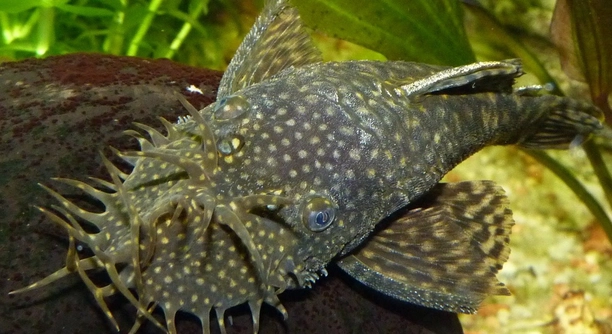
Plecostomus, or plecos, are a popular freshwater fish known for their algae-eating habits. Keeping them healthy requires more than just a clean tank and algae. Fiber plays a significant role in their well-being, affecting digestion and overall health.
If your pleco isn’t getting enough fiber, it can lead to digestive issues, stunted growth, and a weakened immune system. Regularly checking your pleco’s diet for sufficient fiber intake is essential for their health and longevity.
In this article, we’ll go over common signs that indicate your pleco might not be getting enough fiber in its diet. These signs are simple to spot and can help ensure your fish stays healthy and happy.
1. Lack of Fiber Can Lead to Digestive Problems
When a pleco isn’t getting enough fiber, digestive issues can quickly follow. Fiber is essential for keeping their digestive system running smoothly. Without it, plecos may experience constipation, bloating, and difficulty passing waste. These problems can result in your pleco becoming sluggish, as it struggles to process food properly. Over time, this can affect their growth and general health.
Plecos typically need fiber-rich foods, such as vegetables, algae, and specially designed pellets. If they don’t get enough of these, their digestive health will begin to decline. It’s important to offer a balanced diet that includes enough roughage.
A lack of fiber may lead to more serious health problems, like swim bladder disorder, which makes it harder for them to maintain buoyancy. This condition can make your pleco float sideways or upside down, which can be distressing for the fish. Feeding fiber-rich foods regularly helps prevent such issues and supports the proper functioning of their digestive system. A healthy gut is key to their overall well-being.
2. Slower Growth and Stunted Development
If your pleco isn’t getting enough fiber, you may notice slower growth and development. A balanced diet with the right amount of fiber supports their natural growth rate. Without enough fiber, your pleco will not reach its full size potential.
Fiber plays a critical role in your pleco’s ability to break down food and absorb essential nutrients. Without it, they can’t get the vitamins and minerals they need for healthy growth. This can lead to a stunted appearance and weakened immune system.
In addition to slow growth, a lack of fiber can also impact their behavior. A pleco that’s not getting enough fiber may become lethargic and spend more time resting at the bottom of the tank. Their activity levels might decrease, and they may avoid interacting with their environment. Providing a high-fiber diet will help ensure they develop properly, staying active and vibrant as they grow. Adding a variety of fiber-rich foods to your pleco’s diet can promote healthy development and a more energetic fish.
3. Weak Immune System
A pleco with insufficient fiber can develop a weakened immune system. Fiber plays an essential role in keeping their gut healthy, which in turn supports overall health. Without fiber, their immune system becomes more vulnerable to infections and diseases.
If your pleco isn’t getting enough fiber, it may struggle to fight off common illnesses. Without a strong immune system, your pleco might become more susceptible to bacterial infections, parasites, or fungal issues. Regular fiber intake supports a balanced gut microbiome, ensuring that your pleco’s immune defenses remain strong. Poor diet choices that lack fiber can make them more prone to these health issues.
Inadequate fiber can also lead to more severe complications, such as internal inflammation or organ problems. As their immune system weakens, the pleco’s ability to recover from illness is compromised. By providing fiber-rich foods, you can give your pleco the nutrients it needs to stay healthy and resist disease. Maintaining a healthy gut and immune system will make your pleco more resilient to infections and help it thrive in your aquarium.
4. Lack of Natural Behavior
Without enough fiber, plecos may stop engaging in their natural behaviors. Plecos are bottom dwellers, spending much of their time scavenging for food and browsing on algae. When they don’t get sufficient fiber, this behavior may decrease or stop entirely.
A healthy fiber intake supports their natural instincts to forage for food. If they aren’t getting enough fiber, they may seem uninterested in exploring their tank or eating algae. This lack of motivation can result in a less active pleco that doesn’t engage in its surroundings. You may notice your pleco staying in one spot, eating less, and spending more time hidden.
The absence of natural foraging behaviors can indicate that something is wrong with their diet. To encourage a pleco to exhibit its normal behaviors, make sure you are providing fiber-rich foods like vegetables, algae wafers, or blanched greens. A varied diet with sufficient fiber will keep your pleco active, healthy, and engaged in its natural environment.
5. Abnormal Stool
When a pleco isn’t getting enough fiber, their stool may appear abnormal. You might notice small, hard, or stringy waste, which suggests a lack of proper digestion. This is a clear sign that their fiber intake is insufficient.
The appearance of abnormal stool indicates that food isn’t moving through the digestive system properly. Inadequate fiber slows down digestion, leading to irregular waste. Healthy plecos typically produce soft, regular stool, which is an indicator of good digestive health. If you spot unusual waste, it’s time to reevaluate their diet and ensure they’re getting enough fiber.
Fiber helps regulate the digestive process, allowing waste to be expelled more effectively. If their stool continues to look strange, it could lead to more serious digestive issues. Ensure that fiber is consistently added to their diet to prevent further complications.
6. Loss of Appetite
Without fiber, your pleco may show a noticeable decrease in appetite. Fiber is important for regulating digestion and providing satiety. Without it, your pleco may not feel as hungry or motivated to eat.
When a pleco doesn’t get enough fiber, it may lose interest in eating altogether. A reduced appetite can be a result of discomfort caused by improper digestion. This can cause your pleco to miss meals and lose weight, further affecting their health. Providing fiber-rich foods can stimulate their appetite, helping them maintain a healthy feeding routine.
FAQ
How do I know if my pleco is getting enough fiber?
You can tell if your pleco is getting enough fiber by observing its behavior and physical condition. A healthy pleco that is getting sufficient fiber will have regular, soft stool and display active foraging behavior. If your pleco has abnormal waste, reduced activity, or a loss of appetite, it may not be getting enough fiber.
What are some fiber-rich foods for plecos?
Some fiber-rich foods for plecos include blanched vegetables like zucchini, spinach, and peas. You can also provide algae wafers or pellets designed specifically for plecos. These foods will help ensure that your fish gets the fiber it needs to maintain healthy digestion and overall well-being.
Can I give my pleco too much fiber?
While fiber is essential for a pleco’s health, too much fiber can cause digestive issues. Overfeeding fiber-rich foods can lead to bloating and constipation. It’s important to find the right balance by offering a variety of foods, such as vegetables and algae, without overwhelming their digestive system.
How often should I feed my pleco fiber-rich foods?
Feeding your pleco fiber-rich foods should be done regularly, but not excessively. Offer fiber-rich options like blanched vegetables or algae wafers two to three times a week as part of their balanced diet. Make sure that their main diet consists of a mix of other nutrients, including protein.
Can plecos eat fiber supplements?
While it’s generally better to provide fiber through whole foods, fiber supplements can be used if needed. There are specific fiber supplements available for aquarium fish that can help promote healthy digestion. However, supplements should not replace natural food sources and should be used sparingly.
Are algae wafers enough fiber for plecos?
Algae wafers are an excellent source of fiber for plecos, but they shouldn’t be the only food in their diet. It’s important to supplement algae wafers with fresh vegetables like zucchini, cucumber, and spinach to provide a variety of nutrients and avoid nutritional imbalances.
Can plecos eat fruits for fiber?
While some fruits contain fiber, they are not ideal for plecos. Fruits are high in sugar and can cause digestive problems if fed in excess. However, small amounts of fruits like apples or melons can be offered as an occasional treat, but they should not be a primary source of fiber.
How do I prepare vegetables for my pleco?
To prepare vegetables for your pleco, blanch them by boiling them briefly and then cooling them in cold water. This makes the vegetables softer and easier for your pleco to eat. Zucchini, spinach, and peas are popular choices, but you can also try other vegetables, depending on what your pleco prefers.
What happens if I don’t provide enough fiber for my pleco?
If your pleco doesn’t get enough fiber, it can lead to digestive problems like constipation, bloating, and abnormal stool. Over time, this can weaken its immune system, slow its growth, and reduce its natural behaviors. Providing adequate fiber helps avoid these issues and promotes better health.
Can plecos eat fiber from driftwood?
Yes, plecos can eat fiber from driftwood, particularly types like Mopani wood. Plecos often chew on driftwood, which provides some fiber as they scrape the surface. While this can be beneficial, driftwood alone isn’t enough, so it should be combined with other fiber-rich foods to maintain a balanced diet.
How can I tell if my pleco is constipated?
If your pleco is constipated, you might notice that its stomach appears bloated or that it has difficulty passing waste. The stool may be hard or stringy, and your pleco may become lethargic or stop eating. Ensuring a fiber-rich diet can help alleviate constipation and keep your pleco’s digestive system running smoothly.
Is it safe to feed plecos fiber-rich foods like carrots?
Carrots can be fed to plecos as an occasional treat, but they should be prepared properly. Blanch the carrots before offering them to your pleco, as raw carrots can be too tough to digest. While they provide some fiber, carrots should not be a primary food source for plecos, as they lack the necessary nutrients found in other fiber-rich options.
Can plecos eat fiber from aquarium plants?
Plecos can eat fiber from aquarium plants, especially species like java fern and anubias. These plants are not only a source of fiber but also provide a natural environment for the pleco to forage. However, plants alone may not provide enough fiber, so it’s important to supplement their diet with vegetables and algae wafers.
How do I prevent my pleco from eating all the food too quickly?
To prevent your pleco from overeating or eating too quickly, you can try using a feeding dish or placing food in different areas of the tank. This encourages foraging and helps slow down their eating process. Another option is to break up food into smaller pieces so your pleco doesn’t consume everything at once.
How do I transition my pleco to a fiber-rich diet?
To transition your pleco to a fiber-rich diet, start by gradually introducing vegetables and fiber-rich foods alongside their usual diet. Offer small amounts at first, allowing your pleco to adjust to the new foods. Slowly increase the portion of fiber-rich foods while reducing less healthy options.
Final Thoughts
Ensuring your pleco gets enough fiber is key to its overall health and well-being. Fiber plays an important role in keeping their digestive system working properly and supporting natural behaviors like foraging. Without enough fiber, your pleco may experience a range of health issues, including digestive problems, weakened immune system, and slower growth. It’s essential to provide a varied diet that includes plenty of fiber-rich foods, such as blanched vegetables and algae wafers, to help keep your pleco healthy and active.
A fiber-rich diet not only helps prevent common digestive issues like constipation but also supports the pleco’s ability to fight off infections and maintain good growth. Keeping your pleco’s tank environment clean and offering them a healthy mix of vegetables and algae will go a long way in ensuring they thrive. While algae wafers are a convenient source of fiber, it’s important to supplement with fresh vegetables, as they provide a broader range of nutrients and fiber. Regularly observing your pleco’s behavior and stool will give you the signs you need to know if their diet is balanced.
In the end, taking the time to understand and provide the right foods for your pleco is an investment in its long-term health. By offering a balanced diet and ensuring proper fiber intake, you can help your pleco stay active, healthy, and free from unnecessary health problems. As with any fish, it’s important to observe and adjust their diet as needed to keep them in the best condition possible. With the right care, your pleco will be able to thrive and enjoy a long, healthy life in your aquarium.

Hello,
If you enjoy the content that we create, please consider saying a "Thank You!" by leaving a tip.
Every little bit helps us continue crafting quality advice that supports the health, happiness, and well-being of pets around the world, for pets of all shapes, sizes, and species.
We really appreciate the kindness and support that you show us!