
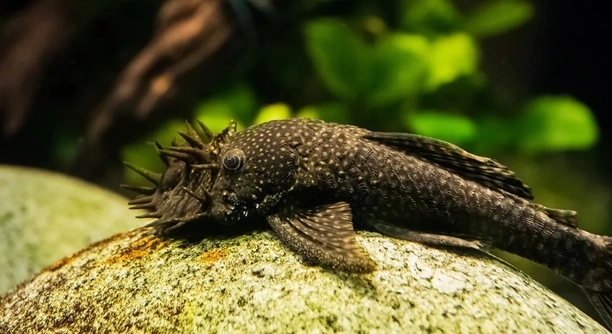
Are your kitchen scraps piling up, and you’re wondering if some of them could be used to feed your pleco instead of being tossed away?
Plecos can safely eat a variety of common kitchen foods such as cucumbers, zucchini, peas, lettuce, spinach, and even sweet potatoes, as long as these are prepared properly and offered in moderation.
Knowing which foods are both safe and nutritious can help you make better feeding choices for your pleco while minimizing food waste at home.
Cucumbers and Zucchini
Cucumbers and zucchini are two of the most popular kitchen vegetables you can offer your pleco. They are soft, full of moisture, and easy for plecos to nibble on. These veggies should be sliced into thin rounds or strips, with the skin left on or peeled depending on how tough it is. Blanching the pieces briefly in hot water makes them easier for plecos to eat and helps them sink in the tank. Always remove any uneaten pieces after 24 hours to prevent water quality issues. Freshness matters, so avoid using anything that’s starting to spoil. You don’t need to feed these every day, but rotating them into your pleco’s weekly routine can offer variety and keep things interesting for your fish. These vegetables don’t carry much protein, so they shouldn’t be the only food your pleco eats, but they are a great plant-based supplement for their diet.
These vegetables are easy to prepare and widely available in most kitchens, making them a convenient choice for pleco owners.
Zucchini tends to be softer than cucumber, so it’s often preferred by younger or smaller plecos. Larger plecos can handle both with no problem. Some owners secure the slices with forks or clips to keep them from floating.
Leafy Greens
Spinach, lettuce, and kale can be good options if prepared correctly. Always wash them thoroughly and remove any thick stems that might be hard for plecos to chew.
Leafy greens are high in fiber and certain nutrients that help with digestion. Spinach and romaine lettuce are better choices than iceberg lettuce, which has little nutritional value. A quick blanch helps soften the leaves and ensures they sink in the tank, making them easier for plecos to access. You should start with small portions to avoid overfeeding and make sure to remove any leftovers the next day. These greens are especially helpful if your pleco is on a mostly commercial diet and needs something fresh in their routine. They can be offered once or twice a week, depending on what other foods your pleco is eating. Always choose fresh greens—avoid anything seasoned or cooked with oils. If stored well, these greens can last in the fridge long enough to be used across multiple feedings.
Peas and Sweet Potatoes
Peas and sweet potatoes are easy to find in most kitchens and offer a change from leafy greens or watery vegetables. Peas need to be shelled and sweet potatoes should be peeled, sliced thin, and lightly boiled.
Peas are small but nutrient-rich. Remove the outer skin and slightly mash the inside to make them easier for plecos to eat. They provide fiber, which helps with digestion, especially if your pleco seems a bit sluggish or bloated. Serve them in small amounts, and avoid canned peas that contain added salt. Fresh or frozen peas work best. As for sweet potatoes, blanching them for a few minutes makes them soft enough for plecos to eat. You can test the texture with a fork—it should be firm but easy to pierce. Both of these should be offered as treats, not staples, to keep your pleco’s diet balanced.
Sweet potatoes should always be given in moderation due to their natural sugars. When boiled and sliced, they sink well and soften just enough to be consumed easily. Let them cool before placing them in the tank. Avoid seasoning or oils. Plecos might not take to them immediately, but once they do, sweet potatoes can be a nice change. They also last well in the fridge, so you can prep a few slices ahead of time and offer them over several days. Just make sure they are fully cooked and always remove leftovers. These starchy vegetables should only be a small part of your pleco’s overall diet.
Lettuce and Spinach
Romaine lettuce and spinach are both good plant-based options, as long as they’re fresh and properly rinsed. Remove any hard stems before feeding, and avoid using older leaves that are starting to wilt.
Spinach is packed with vitamins and fiber, which can help keep your pleco active and healthy. Blanching the leaves helps them sink and makes them easier to chew. Romaine lettuce is another good option, as it’s crunchy and holds up better in the tank than spinach. Iceberg lettuce should be avoided since it has very little nutrition. These greens should be offered no more than two or three times a week. Make sure to rotate them with other vegetables to prevent overfeeding one type. Always check for uneaten food and remove it to avoid water quality issues. Plecos are sensitive to changes in their environment, and leftover food can cause quick spikes in waste levels.
Green Beans and Carrots
Green beans should be blanched to soften them. Cut them into small pieces and remove any strings. They’re high in fiber and easy for plecos to nibble on. Always use fresh or frozen beans, never canned.
Carrots are firm and need to be boiled until soft. Slice them thin so plecos can bite them easily. They add color and variety but should be offered sparingly due to their sugar content. Leftovers should be removed after feeding to avoid cloudy water.
Bell Peppers
Bell peppers can be offered occasionally, but only in small amounts. Red, yellow, and orange peppers are best—green ones are harder to digest. Remove the seeds and white inner parts, then slice the flesh into thin strips. Blanch briefly to soften. They’re rich in antioxidants and add variety to your pleco’s diet. Peppers should be treated as an occasional food, not a regular part of the rotation. Too much can upset their digestion. If your pleco doesn’t touch it at first, try again later. Some need time to adjust to the texture or flavor of new vegetables.
Broccoli Stems
Broccoli stems are a tougher vegetable but can work when sliced thin and boiled. Avoid the florets, which break apart easily and make a mess in the tank. Stick to the peeled, softer part of the stem.
FAQ
Can plecos eat fruit?
While plecos are primarily herbivores, certain fruits can be added to their diet in small amounts. Fruits like apples, pears, and melon can be safe for plecos, but they should be offered sparingly due to their high sugar content. Make sure to remove any seeds or pits, as they can be harmful. The fruit should be cut into small pieces, and it’s best to blanch it lightly to make it easier for the pleco to chew. Keep in mind that fruit should only be an occasional treat, not a regular part of their diet, to avoid digestive issues and excessive sugars.
Is it safe to feed plecos cooked vegetables?
Yes, it is safe to feed plecos cooked vegetables, but the key is to cook them properly. Lightly steaming or blanching vegetables like zucchini, carrots, or peas can soften them and make them easier for your pleco to eat. However, avoid adding any salt, butter, or seasoning to the vegetables. These can be harmful to your pleco’s health. Always let the vegetables cool down before offering them, and remove any leftovers to maintain water quality.
How often should I feed my pleco vegetables?
Plecos generally benefit from a varied diet, so it’s good to offer them vegetables every day or every other day. You should aim to feed your pleco vegetables two to three times per week. The rest of the time, they can be fed commercial pleco food, algae wafers, or live foods. Be sure to adjust the amount based on the size of your pleco, as they can vary in how much they eat. Always remove uneaten food after a day to prevent it from decomposing in the tank.
Can plecos eat potatoes?
While sweet potatoes are safe for plecos in moderation, regular white potatoes should be avoided. Raw potatoes are toxic to plecos because they contain solanine, which can be harmful. If you decide to feed them sweet potatoes, make sure they are fully cooked and cut into manageable pieces. Boiling or steaming is the best way to soften them, making them easier for your pleco to consume. Keep portion sizes small to avoid overfeeding, as sweet potatoes are higher in starch and sugars.
What foods should I avoid feeding my pleco?
There are several foods that should never be fed to plecos. These include any kind of dairy products, processed foods, or anything that contains artificial flavorings, sugars, or preservatives. Also, avoid giving them citrus fruits like oranges or lemons, as the acidity can upset their digestive system. Any food high in fat, such as fried foods, should also be kept away from your pleco. Always research any food you’re unsure of before introducing it into your pleco’s diet to ensure it’s safe.
Can plecos eat algae wafers every day?
Algae wafers can be a staple in your pleco’s diet, but it’s important not to feed them algae wafers every day. These wafers are a good source of nutrients, but overfeeding can lead to obesity or other health issues. Ideally, they should be offered once or twice a week alongside fresh vegetables and occasional treats. Providing a varied diet will help ensure your pleco gets a balanced intake of nutrients.
Are there any vegetables plecos should avoid?
Plecos should avoid vegetables that are too tough or high in oxalates. For example, spinach can be fed in small amounts, but overfeeding it can cause kidney damage over time due to oxalates. Also, avoid starchy vegetables like white potatoes, as they’re not easily digested by plecos. Any vegetables that are too fibrous or tough for your pleco to chew, such as celery or raw carrots, should be prepared well before feeding. Overly fibrous vegetables can also cause digestive problems or blockages.
Can plecos eat spinach?
Spinach can be fed to plecos in moderation, but it should not be the primary vegetable offered. While spinach is nutritious, it contains oxalates, which in large quantities can negatively impact calcium absorption. Blanching the spinach can reduce some of the oxalates, making it safer for your pleco to consume. Offering spinach once a week alongside other vegetables is ideal, but it should not be a regular part of their diet.
How can I make sure my pleco eats enough vegetables?
Some plecos are picky eaters and might take time to warm up to new foods. To encourage them to eat more vegetables, you can try using clips or suction cups to secure the veggies in the tank. This makes the food more accessible and prevents it from floating away. Offering a variety of vegetables, including some soft options like zucchini or cucumber, can help pique their interest. It’s also useful to introduce new foods slowly so your pleco has time to get accustomed to the different textures and flavors.
Can plecos eat lettuce every day?
While lettuce is a good option for plecos, it should not be fed every day. Lettuce, especially iceberg lettuce, lacks nutrients and can cause digestive problems if offered too frequently. Romaine lettuce is a better choice, as it contains more fiber and vitamins. Offer lettuce as a treat once or twice a week, rotating with other vegetables to provide a more balanced diet. Always ensure the lettuce is fresh and clean, without any added pesticides or chemicals.
Do plecos need protein in their diet?
Although plecos are primarily herbivores, they do require some protein in their diet for optimal health. In the wild, they would consume small invertebrates, so offering them protein-rich foods like brine shrimp, bloodworms, or high-quality pellets will help them thrive. Protein should make up only a small portion of their diet, as too much can lead to health issues. Be sure to balance protein with plenty of vegetables and algae-based foods for a complete diet.
Final Thoughts
Feeding your pleco a variety of fresh vegetables and occasional treats is important for their health and happiness. Plecos are naturally herbivores, so their diet should mainly consist of plant-based foods. However, it’s essential to offer a range of vegetables to provide the right nutrients, as no single vegetable can meet all their needs. Cucumbers, zucchini, spinach, peas, and sweet potatoes are great options that are easy to find and simple to prepare. These foods will help keep your pleco active and support healthy digestion.
While fresh vegetables are a staple in your pleco’s diet, you can also supplement their meals with algae wafers or other plant-based pellets. These provide essential nutrients that might be missing from vegetables alone. However, be cautious about overfeeding algae wafers, as they can be high in calories and lead to obesity if given too often. It’s a good idea to rotate different foods each week to ensure variety and prevent your pleco from becoming too dependent on one type of food. As with any pet, balance is key to ensuring long-term health.
It’s also important to pay attention to how much your pleco eats. Any uneaten food should be removed from the tank after a few hours to avoid water quality issues. Leftover food can break down and create toxins that harm both the pleco and other fish in the tank. Offering smaller portions more frequently is better than overfeeding all at once. By keeping their diet balanced and removing uneaten food promptly, you can ensure your pleco stays healthy and your aquarium remains clean.

Hello,
If you enjoy the content that we create, please consider saying a "Thank You!" by leaving a tip.
Every little bit helps us continue crafting quality advice that supports the health, happiness, and well-being of pets around the world, for pets of all shapes, sizes, and species.
We really appreciate the kindness and support that you show us!