
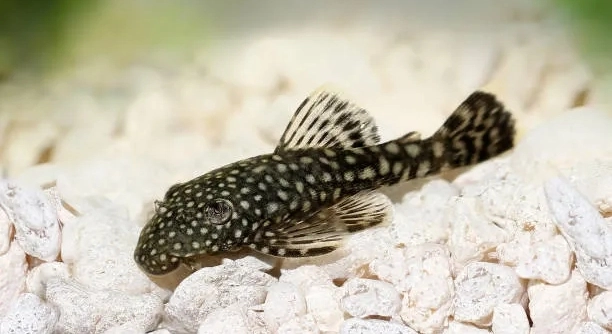
Keeping a pleco tank clean can be tricky, especially when these fish are known for their appetite for algae. It can feel like a constant battle to maintain a tidy environment.
To prevent a messy pleco tank, regular maintenance is key. Ensuring proper filtration, removing waste, feeding appropriately, and providing ample hiding spaces will keep the tank cleaner and more balanced. Routine water changes and monitoring water parameters also help.
With just a few simple adjustments to your tank care routine, you can create a cleaner environment. This will not only benefit your plecos but also improve the overall health of the aquarium.
Proper Filtration is Essential
One of the most important aspects of keeping a clean pleco tank is having a high-quality filtration system. Plecos produce a lot of waste, and without proper filtration, it can quickly lead to dirty water and unhealthy conditions for your fish. A good filter will help remove debris and prevent toxins from building up. It’s essential to choose a filter that’s rated for the size of your tank, as an undersized filter won’t be effective enough. Regularly cleaning the filter will also help keep it working properly, preventing any buildup that could lead to a mess.
A clean filter helps maintain water quality and overall tank cleanliness. It’s worth investing in a filter that can handle the job.
Ensure your pleco tank’s filter is appropriately sized and cleaned regularly. A powerful filter will catch debris, while a good maintenance routine keeps it efficient. This prevents waste from accumulating and ensures cleaner water, benefiting your plecos’ health and tank conditions.
Avoid Overfeeding Your Plecos
Overfeeding is a common mistake among pleco owners and one of the easiest ways to cause a mess in the tank. Plecos are scavengers and will happily eat leftover food, but excess food quickly turns into waste, polluting the water. If you feed them more than they can consume, the uneaten food will sink to the bottom and rot. This creates a breeding ground for bacteria and increases ammonia levels, both of which harm the health of your tank’s ecosystem.
Feeding your plecos a measured amount of food will help prevent waste buildup and keep the tank clean.
To keep the tank tidy, only feed your plecos what they can consume in 1-2 hours. This ensures there’s no excess food rotting in the tank. Additionally, make sure you remove any uneaten food to prevent water contamination. Feeding in moderation benefits both the fish and the tank environment.
Regular Water Changes Are Key
Regular water changes help maintain a clean pleco tank by removing waste and toxins from the water. It’s recommended to change 20-30% of the water every week to keep the tank fresh. This reduces the chances of algae growth and keeps the environment healthy for both your plecos and any other inhabitants.
Water changes also help regulate water parameters, including ammonia, nitrites, and nitrates. By doing this regularly, you reduce the risk of dangerous spikes that can harm your fish. Using a water conditioner can also help remove harmful chlorine or chloramines in tap water, making it safer for your plecos.
Keep an eye on the water quality and stick to a regular water change routine. You’ll notice cleaner water and happier plecos. If the water quality deteriorates, it can quickly lead to a mess, so it’s essential to stay consistent. Regular maintenance of your tank will make a noticeable difference in its cleanliness and the health of your fish.
Provide Adequate Hiding Spots
Plecos are shy and like to have places where they can retreat and feel safe. If they don’t have enough hiding spots in the tank, they may become stressed. Stress can lead to excess waste production and cause the tank to become dirtier. Providing caves, driftwood, or plants can help.
These hiding spots also benefit the tank’s ecosystem. Plecos often graze on algae or food stuck to surfaces, and they prefer to do this in peace. When they have places to hide, they feel more secure and less likely to disturb the tank’s balance.
A pleco that feels safe and secure is less likely to produce waste due to stress. Adding natural décor, such as rocks, caves, and plants, will mimic their natural habitat. These hiding spots also improve water quality by helping the fish feel more at ease, preventing unnecessary waste accumulation in the tank.
Use a Gravel Vacuum
A gravel vacuum is a useful tool for keeping your pleco tank clean. It helps remove uneaten food, waste, and debris from the substrate, preventing it from accumulating and dirtying the water. Regular use of a gravel vacuum makes maintaining the tank much easier.
By siphoning the substrate during water changes, you reduce the buildup of harmful toxins that can arise from leftover food or fish waste. Make sure to vacuum the substrate thoroughly to keep it clean. This process removes organic matter that could lead to algae growth and poor water quality.
Monitor Water Parameters
Keeping track of your water parameters is essential for a clean tank. Regularly test for ammonia, nitrite, and nitrate levels, as imbalanced water can lead to dirty conditions. Poor water quality often results from unnoticed imbalances.
Monitoring your water ensures it stays in optimal condition. You should also test the pH level, temperature, and hardness, as these factors can influence both the plecos’ health and the cleanliness of the tank. Keeping these parameters in check makes your tank easier to maintain.
FAQ
How often should I clean my pleco tank?
Cleaning your pleco tank should be a regular task to keep it healthy. You should aim to perform partial water changes (20-30%) every week to prevent the buildup of waste and toxins. In addition to water changes, you should also clean the filter every 2-4 weeks, depending on the size of your tank and the amount of waste produced. Vacuum the substrate during water changes to remove uneaten food and debris that can accumulate on the bottom. Regular maintenance prevents the tank from getting too dirty and helps keep your plecos healthy.
What kind of filter is best for a pleco tank?
Plecos are known for their large size and high waste production, so having a good filter is crucial. A filter rated for your tank size or slightly larger is ideal. Canister filters are often a popular choice for pleco tanks because they offer strong filtration and can handle larger amounts of waste. Hang-on-back filters are another option, though they may need to be cleaned more frequently. Whichever type you choose, ensure that it provides adequate filtration for the tank size to avoid water contamination. Regularly clean the filter to maintain its effectiveness.
Can I have other fish in a pleco tank?
Yes, you can keep other fish with plecos, but be mindful of their tank mates. Plecos can grow large, and some species may become territorial. Choose peaceful fish that won’t compete for hiding spaces or cause stress to the pleco. Fish like tetras, guppies, or corydoras are commonly compatible with plecos, as long as they are not too aggressive. Avoid keeping them with smaller fish that could be seen as food or other territorial species that may provoke aggression. Always observe the behavior of the fish after introducing new tank mates.
How can I prevent algae buildup in my pleco tank?
Plecos are natural algae eaters, so they will help keep algae in check, but they won’t eliminate it entirely. To prevent excess algae growth, ensure your tank is not exposed to too much direct light, as this promotes algae growth. Keep the tank well-maintained with regular water changes and remove any visible algae manually using an algae scraper. You can also consider adding some snails, which also eat algae, or certain species of shrimp. A well-maintained filtration system also helps control algae by keeping the water clean and free of organic waste.
What is the ideal substrate for a pleco tank?
Plecos are bottom dwellers, so the substrate plays an important role in their habitat. Fine gravel or smooth sand is best for plecos because it won’t damage their sensitive barbels. Avoid sharp or rough substrates that could cause injury. Sand is often preferred because it’s softer and easier to clean with a gravel vacuum. Plecos like to sift through the substrate, so a substrate that’s too large or heavy may be uncomfortable for them. A clean, fine substrate also helps prevent debris buildup and keeps the tank looking neat.
How do I deal with pleco waste in the tank?
Plecos produce a lot of waste, which can quickly dirty the tank if not handled properly. Regular water changes are the best way to reduce waste accumulation. Additionally, using a gravel vacuum during water changes will help remove waste from the substrate. Ensure that your filtration system is efficient enough to handle the amount of waste your pleco produces. Overfeeding can also contribute to waste buildup, so be sure to feed your pleco only what it can eat in a few hours.
Should I add plants to my pleco tank?
Yes, adding plants to a pleco tank can be beneficial. Plants provide natural hiding spots for your plecos, which reduces stress and creates a more natural environment. They also help keep the tank clean by absorbing excess nutrients and acting as a natural filter. However, plecos may graze on softer plants, so choose hardy, fast-growing plants like Java fern or Anubias. Be sure to add plants that can handle the pleco’s activity and won’t get uprooted. Plants also add beauty to the tank while helping improve water quality.
Can I feed my pleco vegetables?
Yes, plecos enjoy eating vegetables, and they can be a healthy addition to their diet. Offer vegetables like zucchini, cucumber, or spinach, which are soft and easy for them to eat. You can blanch the vegetables in boiling water to soften them, then place them in the tank for your pleco to enjoy. Be sure to remove any uneaten vegetables after a few hours to prevent water contamination. Vegetables should be fed alongside their regular food, such as algae wafers or pellets, to ensure a balanced diet.
How do I keep my pleco tank clean without disturbing the fish too much?
Keeping the tank clean without stressing the plecos requires a gentle and consistent routine. Perform regular water changes and substrate cleaning with a gravel vacuum, but be careful not to disturb the plecos too much while doing so. Perform maintenance tasks slowly, avoiding any sudden movements that could startle the fish. Keep the lighting dim when cleaning to minimize stress. It’s important to maintain a balance between cleaning and ensuring the plecos’ comfort. Overcleaning can stress out the fish, while neglecting maintenance can lead to a messy tank.
What should I do if my pleco’s tank is constantly dirty?
If your pleco’s tank is constantly dirty, it could be a sign of several issues. Check your filtration system to make sure it’s working properly and is adequately sized for your tank. Insufficient filtration can lead to waste buildup and poor water quality. Review your feeding habits to ensure you’re not overfeeding, as excess food can pollute the water. Regularly clean the substrate and perform water changes. If the problem persists, it might be worth reviewing your tank setup, including the number of fish and the amount of waste being produced.
Final Thoughts
Keeping a pleco tank clean can seem like a lot of work, but with the right approach, it doesn’t have to be overwhelming. Regular maintenance, such as performing water changes, cleaning the substrate, and checking the filter, can make a big difference in maintaining a clean and healthy environment for your plecos. Plecos are hardy fish, but they still need a proper habitat to thrive. By staying on top of the tank’s upkeep, you’ll not only keep your plecos happy, but you’ll also reduce the likelihood of dealing with a messy tank.
It’s also important to remember that plecos are bottom-dwelling fish, and they play a role in keeping the tank clean by eating algae. However, they can’t do it all on their own. While they may help control algae, excess waste from overfeeding or poor water quality can quickly lead to problems. That’s why it’s essential to balance feeding habits, provide adequate filtration, and monitor water parameters to prevent waste from building up. Keeping your pleco tank clean is about making small, consistent efforts to maintain a stable and healthy environment.
Finally, take the time to observe your plecos and how they interact with their tank. Stress, such as overcrowding or lack of hiding spots, can contribute to a messy tank by affecting their behavior. A few simple adjustments, like providing more hiding spots or adjusting your filtration system, can improve your pleco’s living conditions and reduce unnecessary waste. When you follow these basic tips, keeping your pleco tank clean becomes less of a chore and more of a manageable routine that benefits both the fish and the overall aesthetic of your aquarium.

Hello,
If you enjoy the content that we create, please consider saying a "Thank You!" by leaving a tip.
Every little bit helps us continue crafting quality advice that supports the health, happiness, and well-being of pets around the world, for pets of all shapes, sizes, and species.
We really appreciate the kindness and support that you show us!