
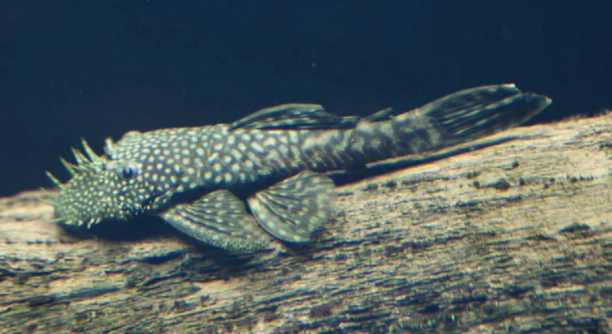
Many aquarium enthusiasts love the peaceful presence of plecos in their tanks. However, when it comes to tankmates, there are important considerations that might affect the well-being of both the pleco and its companions.
Choosing compatible tankmates for your pleco is crucial for maintaining harmony in the aquarium. Certain fish species may exhibit aggressive behaviors, stress the pleco, or outcompete it for food, affecting both the pleco’s health and the ecosystem balance.
Understanding which species work well with your pleco can make a significant difference in the health of all your tank residents. This article will guide you through the key factors that determine the best tankmate choices for your pleco.
The Importance of Tank Compatibility
When selecting tankmates for your pleco, it’s essential to consider the behavior and habits of potential companions. Some fish are more aggressive and may stress out your pleco, while others might outcompete it for food or space. Overcrowding can also lead to issues such as territorial disputes. Plecos are bottom dwellers, so they usually prefer having a lot of space around them. Without this, they may feel threatened or overwhelmed, affecting their overall health.
It’s crucial to find species that won’t disrupt the pleco’s peace or well-being. Fish that are calm and live at different levels of the tank work best. Keep in mind the size of the pleco when considering tankmates.
Certain fish thrive in a peaceful community, which helps ensure your pleco remains healthy and stress-free. Species like tetras, peaceful gouramis, or rainbowfish are ideal because they generally avoid the pleco’s territory. These fish swim in the upper or mid-levels of the tank, leaving the pleco’s space undisturbed. Also, keep in mind the water parameters such as temperature, pH, and hardness that can affect how well different species interact.
Size Matters
Size differences can be an issue in choosing tankmates for plecos. If tankmates are too small, they may become easy targets for your pleco. Conversely, if they’re too large, the pleco might become intimidated.
It’s important to choose fish that are similar in size to the pleco to avoid aggression or territorial conflicts. Fish that are too small may be stressed out, while fish that are too large might bully the pleco.
Feeding Habits and Competition
Feeding habits play a significant role in determining tankmate compatibility. Plecos are primarily nocturnal and graze on algae or detritus. If you add fish that consume food in the same manner or at similar times, competition can arise. Over time, this can cause stress, malnutrition, or aggression.
Tankmates that feed during different times of the day can reduce competition for food. Fish like shrimp or snails often feed on leftover food, leaving the pleco to eat at night. Additionally, feeding your pleco algae wafers can ensure it gets the proper nutrients without competing with other species for food.
If you notice any tankmates eating the pleco’s food or chasing it away, it’s a sign of competition. In the long term, this can lead to your pleco becoming malnourished or stressed. Having a well-balanced feeding schedule and offering a variety of food types can make a big difference. Fish like tetras and guppies that nibble on different types of food are usually a better match.
Territorial Disputes
Plecos are known for being peaceful, but they do need their space. If you introduce overly territorial fish, there’s a risk of constant aggression, especially if your pleco has limited hiding spots. Stress from territorial fish can negatively affect your pleco’s health.
Territorial fish like cichlids or aggressive barbs can cause a lot of problems in your pleco’s environment. These species will claim the tank as their own and may chase or bully your pleco. Having adequate hiding spaces and ensuring there’s enough room for all inhabitants can help. Fish that are naturally peaceful and non-territorial are far better suited.
Larger fish with strong territorial instincts can intimidate your pleco. If you plan to keep species like certain types of cichlids, be sure to provide enough hiding spaces for the pleco. Peaceful tankmates like tetras or danios that have no territorial behavior can make the environment more comfortable for your pleco. The goal is to prevent stress and ensure your pleco feels secure in its tank.
Water Conditions
Water parameters are a critical factor when selecting tankmates for your pleco. Plecos prefer slightly acidic to neutral water, with temperatures ranging from 74°F to 80°F. If your tankmates require significantly different conditions, it may cause stress or health issues for both species.
For instance, some fish, like livebearers, prefer slightly alkaline water and higher temperatures, which can be problematic for a pleco. It’s essential to choose fish that thrive in similar conditions. Matching the water requirements of all your fish creates a harmonious environment where each species can thrive without any added stress.
Many peaceful fish species, like rasboras, are adaptable to a wide range of water conditions. They can coexist with plecos, especially if you maintain stable water quality. Regular monitoring of temperature, pH, and hardness levels ensures that your tank’s inhabitants stay healthy. A well-balanced water system supports both the pleco and its tankmates.
Space and Tank Size
Tank size is a crucial consideration when keeping plecos with other fish. Plecos, especially the larger species, require plenty of space to swim and explore. A tank that is too small can cause stress and territorial conflicts.
A tank size of at least 75 gallons is recommended if you plan to keep a large pleco with other fish. Smaller tanks may not provide enough space for all species to coexist peacefully. When considering tankmates, ensure there’s ample swimming space and hiding spots for your pleco. Larger tanks allow for a more balanced ecosystem, where each fish can claim its territory without interference.
Activity Levels
Activity levels can affect how well your pleco gets along with its tankmates. Plecos are usually slow-moving and prefer calm waters. Fast-swimming or overly active fish may stress the pleco, especially if they invade its space.
Choosing slower or similarly paced tankmates ensures a better environment for the pleco. Fish like catfish or slow-moving tetras work well with plecos, as their activity levels are more in sync. Avoid highly active fish, such as barbs, which can overwhelm a pleco and cause unnecessary stress.
FAQ
What are the best tankmates for plecos?
Plecos generally do well with peaceful fish that occupy different levels of the tank. Species like tetras, rainbowfish, and peaceful gouramis are good choices because they don’t compete for the same space. Snails and shrimp also make great companions as they clean up leftover food and don’t interfere with the pleco’s diet.
Can plecos live with goldfish?
Goldfish and plecos are often seen together, but their compatibility depends on a few factors. Goldfish produce a lot of waste, which can negatively affect water quality, something plecos aren’t always comfortable with. Plecos also prefer warmer water, while goldfish do better in cooler temperatures. The different care requirements can make them less than ideal tankmates.
Are plecos aggressive towards other fish?
Plecos are generally peaceful and non-aggressive, but they can show aggression if stressed or overcrowded. Plecos that are kept with fish that invade their space or compete for food may become defensive. It’s important to ensure they have enough space and food to reduce potential conflicts.
Can plecos live with bettas?
Betta fish are territorial and can be aggressive, especially towards other fish with long fins. Since plecos typically don’t engage in aggressive behaviors, they may be at risk of being harassed by bettas. However, if the pleco is large and has plenty of hiding spaces, it can sometimes coexist peacefully with a betta.
Do plecos eat other fish?
Plecos are mostly herbivores and detritivores, feeding on algae, plant matter, and detritus. They do not typically eat other fish, but they might nibble on smaller, weakened fish in certain situations. It’s important to ensure your pleco is well-fed with algae wafers and other appropriate foods to prevent it from becoming overly curious about other tank inhabitants.
Can plecos live with cichlids?
Cichlids can be aggressive, especially in confined spaces. Some species of cichlids may attack plecos, especially if they are larger or more territorial. However, some peaceful cichlid species can coexist with plecos, provided there are enough hiding spaces and the tank is large enough to give each fish room to establish its own territory.
Can plecos live with shrimp?
Plecos and shrimp can live together, but it depends on the species of pleco. Smaller plecos are more likely to coexist peacefully with shrimp. However, larger plecos might see shrimp as food. Ensure your pleco is fed properly to reduce the chances of it hunting your shrimp.
What type of pleco is best for a community tank?
Smaller species of plecos, like the Bristlenose or the Clown Pleco, tend to be better suited for community tanks. These species are less territorial and generally more peaceful than larger plecos. They also don’t require as much space, making them ideal for smaller aquariums with a variety of other fish.
Do plecos need a filter?
Yes, plecos are bottom dwellers that contribute to the cleanup of the tank by eating algae and detritus. However, they still produce waste that needs to be filtered out to maintain good water quality. A proper filtration system is essential for keeping the water clean and ensuring the health of all your fish, including the pleco.
Can plecos live with other bottom dwellers?
Plecos can sometimes live with other bottom dwellers, but it depends on the species and available space. Bottom-dwelling species like catfish or loaches may compete for food or space. To prevent conflict, make sure there are enough hiding spots and territories for each fish.
How big of a tank does a pleco need?
Plecos require a larger tank, especially as they grow. A tank size of at least 75 gallons is ideal for larger species like the Common Pleco, while smaller species like Bristlenose Plecos can do well in 30-40 gallon tanks. The larger the tank, the better the pleco and its tankmates will thrive.
How can I prevent my pleco from becoming too aggressive?
To prevent aggression, ensure your pleco has enough space and plenty of food. Avoid overcrowding and provide hiding spots so the pleco feels secure. Aggression can also result from stress, so maintaining stable water conditions and keeping tankmates that are compatible with your pleco’s behavior is essential.
Can I add a pleco to a well-established tank?
Yes, you can add a pleco to a well-established tank, but it’s important to ensure that the other tankmates are compatible with the pleco. It’s also essential to keep the water parameters stable and provide enough space. Monitor the pleco for any signs of stress or aggression once introduced.
How do I know if my pleco is stressed?
Signs of stress in a pleco can include abnormal swimming patterns, hiding more than usual, or a lack of appetite. Stress can also be indicated by fading coloration or if the pleco becomes more aggressive toward other tankmates. Monitoring water quality and ensuring the pleco feels secure can help reduce stress.
Final Thoughts
When choosing tankmates for your pleco, it’s important to consider the overall environment and the needs of all species involved. Plecos are generally peaceful and easygoing but require specific care to ensure they thrive. They need enough space to move freely, proper water conditions, and appropriate tankmates. Selecting species that share similar water and space needs will help prevent stress and promote a healthy, balanced tank. A well-thought-out community tank allows your pleco and other fish to coexist peacefully and enjoy their environment.
Proper research and planning are essential to ensure your pleco and other tankmates can live together without issues. Fish that are overly aggressive or need different water conditions can cause problems for your pleco. It’s important to choose species that are calm, adaptable, and share similar care requirements. Regular monitoring of water parameters, such as temperature, pH, and hardness, will also help create a stable environment. Plecos, while low-maintenance, still need a proper habitat to flourish and show their best qualities.
Overall, the key to a successful pleco tank is balance. Pay attention to the size of your tank, the behavior of your fish, and the specific needs of your pleco. By selecting suitable tankmates and maintaining good water quality, you’ll create a thriving aquatic environment. A healthy, well-balanced tank not only benefits the pleco but also enhances the entire aquarium ecosystem. With a bit of planning, you can enjoy a peaceful, harmonious aquarium that supports all its inhabitants.

Hello,
If you enjoy the content that we create, please consider saying a "Thank You!" by leaving a tip.
Every little bit helps us continue crafting quality advice that supports the health, happiness, and well-being of pets around the world, for pets of all shapes, sizes, and species.
We really appreciate the kindness and support that you show us!