
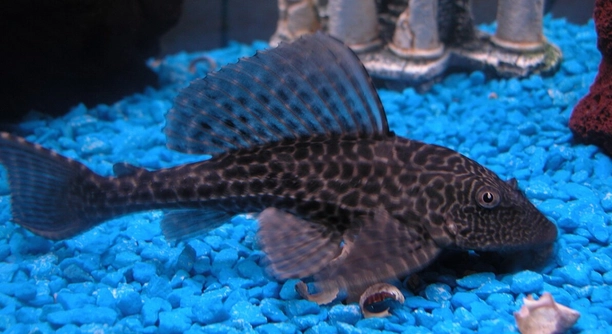
Have you ever struggled to figure out the perfect water temperature for your pleco to stay healthy and active in its tank?
Plecos generally prefer a water temperature range of 72°F to 78°F. Maintaining stable conditions within this range helps support their metabolism, digestion, and immune system, ultimately promoting overall health and well-being in a home aquarium setting.
Learning about the right water temperature is just the beginning—there are other key factors that contribute to a pleco’s comfort and survival.
Why Temperature Matters for Plecos
Keeping your pleco’s water at the right temperature is important for its overall health. These fish are native to tropical freshwater environments, so they are used to consistently warm temperatures. When the water is too cold, it can slow down their metabolism, weaken their immune system, and cause stress. On the other hand, water that is too warm may reduce oxygen levels and make it harder for plecos to breathe. A stable range between 72°F and 78°F supports their natural behavior, feeding habits, and growth. Using an aquarium heater and a reliable thermometer helps maintain this ideal temperature throughout the day and night. Consistency is key, especially during seasonal changes or in homes where room temperatures fluctuate often. A healthy pleco is more active and alert, often showing better coloration and appetite when kept in a stable, warm environment that closely mimics its natural habitat.
Plecos thrive best when their environment stays within a narrow, stable temperature range without sudden shifts or drops.
Inconsistent temperatures can lead to stress, illness, and even a shorter lifespan. Keeping their water warm and stable helps prevent these problems. It also reduces the chances of common diseases and supports a strong immune response in your pleco.
How to Keep the Water Temperature Right
Using a reliable heater is one of the easiest ways to control water temperature for plecos.
A submersible aquarium heater with an adjustable setting is the best choice for plecos. Look for one that matches your tank size, and always use a thermometer to monitor water conditions. Avoid placing your tank near windows or air vents that could cause temperature shifts. In warmer climates, it might be necessary to use a cooling fan or keep the aquarium in a shaded area during hot months. If your home experiences regular temperature changes, check the tank’s temperature daily. It’s helpful to place the thermometer away from the heater to get a more accurate reading of the overall tank. During water changes, make sure the new water is close in temperature to the existing tank water. Sudden drops or rises can stress the pleco. For added peace of mind, a heater with a built-in thermostat can automatically adjust to keep the water within the desired range.
Signs Your Pleco Is Too Hot or Too Cold
Plecos show clear signs when their water temperature is off. If the water is too cold, they may become sluggish or stop eating. When it’s too warm, they might breathe faster or stay near the surface more often than usual.
A pleco in water that is too cold may appear inactive and spend most of its time hiding. Its digestion slows down, so you might notice leftover food in the tank. If it stops eating completely or begins to lose weight, the water is likely too cool. Cold water also weakens their immune system, making them more vulnerable to infections.
If the water is too warm, your pleco may breathe more heavily or stick close to the filter where the oxygen level is higher. High temperatures reduce oxygen, and plecos may appear restless or irritated. Long-term exposure to warm water can weaken their health and increase the risk of illness.
Other Factors That Affect Temperature Stability
Room temperature, sunlight, and the placement of your tank can all influence how stable the water temperature stays. Avoid putting the tank near heaters, windows, or vents. Sudden environmental changes can quickly impact water conditions without much warning.
The size of your tank also matters—smaller tanks are more sensitive to temperature shifts than larger ones. If you keep the tank in a drafty area or near a sunny window, use a tank cover or light-blocking curtain to reduce direct exposure. Aquarium lights can also generate heat, so limit how long they stay on each day. Using a heater with a thermostat helps maintain steady warmth, but always back it up with a thermometer. A battery-powered thermometer with an alarm is helpful during power outages. Routine checks help catch minor changes before they affect your pleco. A stable environment is one of the easiest ways to support your pleco’s long-term health.
What to Do If the Temperature Is Off
If your pleco’s water is too cold, slowly increase the temperature using an adjustable heater. Do not raise it too fast—go up by 1–2 degrees per hour to avoid shocking your fish.
If the water is too warm, turn off the tank light and remove the lid for airflow. Use a fan or float ice packs in a bag to cool things gradually.
Best Tools for Temperature Control
An adjustable submersible heater is the most effective way to keep the temperature stable. Choose a model rated for your tank’s size, and check that it has a built-in thermostat for automatic control. Pair it with a reliable thermometer to keep an eye on the water throughout the day. Digital thermometers give the most accurate readings and can be placed away from the heater for balance. For added safety, a temperature alert device can warn you of changes before they become dangerous. Always keep a backup thermometer and heater on hand in case of sudden failure. Regularly inspect these tools to make sure they’re working correctly.
Final Thoughts on Pleco Temperature Needs
A consistent water temperature between 72°F and 78°F keeps plecos healthy and active. Small changes can have a big impact, so monitoring is important.
FAQ
What happens if the water temperature is too low for a pleco?
If the water temperature is too low, your pleco will become lethargic and less active. It might stop eating, and you may notice leftover food in the tank. When plecos are exposed to cold water for long periods, their immune system weakens, making them more susceptible to diseases. This can also cause slower digestion, which may lead to health issues if not addressed. A sudden drop in temperature can also stress your pleco, so it’s important to maintain a consistent, warm environment to avoid these problems.
Can I use a regular aquarium heater for plecos?
Yes, you can use a regular aquarium heater for plecos, but it’s important to choose one that is appropriate for the size of your tank. The heater should be adjustable to help you maintain a stable temperature between 72°F and 78°F. Ideally, you should also get a thermometer to monitor the water temperature constantly, ensuring that it doesn’t fluctuate too much. A heater with a built-in thermostat can automatically regulate the temperature, making it easier to maintain the right conditions.
Do plecos need a heater in their tank?
Plecos, being tropical fish, require a heater to maintain a stable water temperature. Without one, it can be difficult to keep the water at the ideal range of 72°F to 78°F, especially in colder climates or homes with fluctuating temperatures. A heater helps prevent the water from dropping too low, which can stress your pleco and lead to health problems. Always monitor the water temperature to ensure it stays within the proper range for your fish.
How can I keep the temperature stable in my pleco tank?
To keep the temperature stable, use a high-quality aquarium heater with a thermostat to automatically regulate the temperature. You can also insulate the tank to help maintain warmth. Avoid placing the tank near windows, air vents, or areas with drafts that can cause temperature fluctuations. Regularly check the water temperature with a thermometer and make any necessary adjustments to the heater. Ensure that the tank is not exposed to direct sunlight or external heat sources, as these can quickly raise the temperature beyond the ideal range.
What’s the best thermometer to use for plecos?
A digital thermometer is the best option for keeping track of your pleco’s water temperature. These thermometers are accurate and provide real-time readings, making it easier to monitor the temperature and make adjustments as needed. You can also use stick-on thermometers, but they are less accurate than digital ones. Place the thermometer in the middle of the tank, away from the heater, to get an accurate overall reading of the water temperature. Always double-check the temperature if you suspect the tank is too warm or too cold.
Can the temperature go higher than 78°F for plecos?
Plecos prefer water temperatures between 72°F and 78°F. While they can tolerate slightly higher temperatures for short periods, it’s best to avoid exceeding 80°F. Temperatures above this range can lead to reduced oxygen levels in the tank, making it harder for plecos to breathe. Overheating can also stress the fish and increase the risk of disease. If your tank temperature rises too much, try using a fan to cool it down or adjust the heater to maintain the ideal range.
Is it safe to put ice in the tank to lower the temperature for plecos?
Placing ice directly in the tank is not a recommended method for lowering the temperature. Sudden temperature changes can stress your pleco, and ice can cool the water too quickly. Instead, use ice packs in sealed plastic bags and float them in the tank. This method allows you to gradually lower the temperature without shocking the fish. Be sure to monitor the water closely to avoid making the temperature drop too quickly. Slow, steady changes are always safer for your pleco.
How do I know if my pleco is stressed due to temperature changes?
If your pleco is stressed due to temperature fluctuations, you may notice behaviors such as excessive hiding, gasping at the surface, or becoming lethargic. Your pleco may also stop eating or show signs of rapid breathing. Stress can also lead to a weakened immune system, making the fish more susceptible to infections. To confirm if temperature is the issue, check the water with a thermometer and make adjustments as needed. Keeping the temperature within the recommended range helps prevent stress and promotes better health.
Can plecos survive in colder water?
Plecos can survive in colder water for short periods, but it’s not ideal for their health. If the water drops below their preferred temperature range of 72°F to 78°F, they will become sluggish and less active. Prolonged exposure to cold water can lead to a weakened immune system and other health problems. It’s best to maintain a consistent, warm temperature in their tank to ensure they thrive. If your home tends to get cold, investing in a heater is essential for your pleco’s well-being.
What’s the best temperature range for plecos during winter?
During winter, you should keep the water temperature for your pleco within the same range of 72°F to 78°F. It’s important to keep the tank away from cold drafts or areas that may be exposed to low temperatures. If your home becomes cooler in winter, using an aquarium heater with a thermostat is the best way to maintain consistent warmth. Make sure to monitor the water temperature regularly to ensure it stays within the proper range, as winter temperatures can cause more significant fluctuations.
Can plecos tolerate high-temperature fluctuations?
Plecos are sensitive to rapid changes in water temperature, and fluctuations can cause stress. These fish thrive in stable environments, so it’s important to keep the temperature consistent. If the temperature fluctuates too much, it can weaken the pleco’s immune system, making it more prone to illness. To prevent temperature swings, invest in an aquarium heater with a thermostat and use a thermometer to monitor the water. Stability is the key to keeping your pleco healthy and stress-free.
Final Thoughts
Maintaining the right water temperature for your pleco is essential for its overall health and well-being. Plecos are sensitive to temperature fluctuations, and a stable environment ensures they can thrive in your aquarium. When the water is too cold, they can become sluggish and lose their appetite, while high temperatures can lead to stress and even harm their immune system. Keeping the water between 72°F and 78°F is the best way to provide a comfortable and healthy habitat for your pleco.
Using an adjustable heater and thermometer is the most effective way to maintain a consistent temperature in your tank. It’s important to regularly check both the temperature and the heater to ensure everything is functioning correctly. If you notice any unusual temperature fluctuations, make adjustments as needed to prevent stress on your pleco. In addition to temperature, factors like water quality and tank size play a role in your pleco’s health, so it’s important to maintain proper water conditions and a clean environment.
By carefully monitoring the water temperature and using the right tools, you can keep your pleco happy and healthy for a long time. Remember that every pleco is unique, so pay attention to its behavior and adjust the environment if necessary. A stable temperature will not only reduce the risk of illness but will also help your pleco stay active and vibrant. With proper care, your pleco can live a long and healthy life, contributing to the beauty of your aquarium.

Hello,
If you enjoy the content that we create, please consider saying a "Thank You!" by leaving a tip.
Every little bit helps us continue crafting quality advice that supports the health, happiness, and well-being of pets around the world, for pets of all shapes, sizes, and species.
We really appreciate the kindness and support that you show us!