
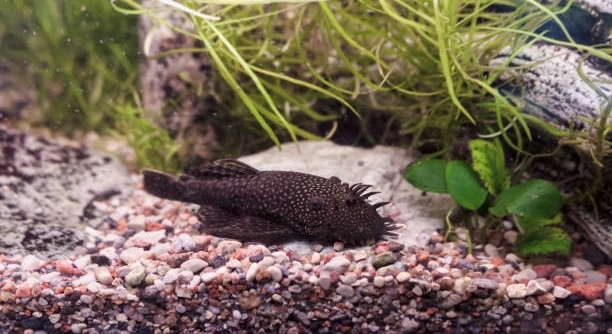
Plecos are fascinating freshwater fish, known for their unique behavior and active nature. However, sometimes they can seem sluggish or inactive. Understanding the factors that influence their activity level can help improve their well-being.
The activity level of plecos can be influenced by various factors such as water temperature, diet, tank conditions, and enrichment. Providing a clean environment, proper water parameters, and stimulating surroundings is key to increasing their activity.
By exploring these important aspects, you can create an environment that encourages your plecos to thrive and be more active in their aquatic home.
The Right Water Temperature for Plecos
Plecos are sensitive to temperature changes in their environment. If the water is too cold, they may become sluggish or less active. The ideal water temperature for plecos is typically between 75°F and 80°F (24°C to 27°C). Maintaining this range ensures they remain comfortable and energetic, encouraging them to explore and interact with their environment.
A sudden drop in temperature can cause stress and lead to inactivity. When their surroundings are too cold, plecos may retreat to darker, quieter areas of the tank, limiting their movement. Additionally, cold water can slow their metabolism, affecting their appetite and overall activity.
Maintaining a stable water temperature is crucial to your pleco’s well-being. If you notice your pleco slowing down, it’s worth checking the temperature with a reliable thermometer. Investing in a heater with an adjustable thermostat can make a significant difference. This simple step will help create an environment that supports your pleco’s natural behaviors and activity levels.
The Right Diet for Increased Activity
A well-balanced diet is essential for plecos to stay active.
Feeding them a mix of high-quality pellets, algae wafers, and fresh vegetables provides the necessary nutrients. This encourages them to be more engaged and active in their environment, boosting overall health.
Proper Tank Size and Space for Plecos
The size of the tank plays a significant role in how active plecos are. A tank that’s too small will make them feel cramped, leading to lethargy. Plecos are active swimmers and need space to explore and graze.
A minimum of a 30-gallon tank is recommended for a single pleco, with more space if you have multiple fish. When plecos feel they have enough space, they are more likely to engage with their environment and stay active. Overcrowding can lead to stress, making them more prone to hiding rather than swimming around.
Ensuring your pleco has enough room allows them to show their natural behaviors, like foraging and swimming. Providing the right tank size is crucial for promoting their activity and overall health.
Tank Decorations and Hiding Spots
Plecos love having places to hide in their tank.
Providing caves, rocks, or driftwood creates a more natural environment and makes them feel safe. This security encourages plecos to explore and move around more often, rather than staying in one spot. Proper decorations also replicate their natural habitat, which keeps them active and stimulated.
If there are no hiding spots, plecos may become stressed, causing them to be less active. It’s essential to create a balanced tank with open swimming space and secure spots where they can rest or seek cover when they feel threatened. Adding plants and other hiding spots will ensure they remain active and healthy.
Water Quality and Filtration
Good water quality is vital for plecos to stay active.
Dirty water with high ammonia or nitrate levels can make plecos feel uncomfortable and stressed, leading to inactivity. A quality filtration system helps keep the water clean, which encourages them to swim and explore more.
Regular water changes are important for maintaining optimal water conditions. A well-maintained tank will ensure your pleco is healthy, active, and less prone to hiding. Test the water frequently to ensure there are no harmful spikes in the water parameters.
Lighting Conditions
Plecos are nocturnal creatures.
They tend to be more active during the night. If you want to encourage activity during the day, consider providing dim lighting or a gentle light source that mimics natural conditions. Avoid bright, harsh lights that could stress your pleco.
FAQ
Why is my pleco staying at the bottom of the tank?
Plecos often prefer staying at the bottom of the tank, especially during the day. This behavior is normal, as they are naturally nocturnal and more active at night. However, if your pleco stays at the bottom even during the night, it could indicate an issue with water quality, temperature, or stress. Ensure the water parameters are stable and that the tank has plenty of hiding spots and decorations to make your pleco feel more secure. If the behavior continues, check for any signs of illness or discomfort.
How can I encourage my pleco to swim more?
To encourage your pleco to swim more, focus on creating a suitable tank environment. Ensure that the tank is large enough to give them space to move around. A tank that’s too small will make them feel cramped, leading to inactivity. Providing a good mix of decorations, hiding spots, and clean water can also motivate your pleco to swim. If the tank is overcrowded, this can lead to stress, so it’s important to maintain a balance between fish and space.
How often should I feed my pleco?
Feeding your pleco once a day is generally sufficient, but you can adjust based on their size and activity level. Plecos are bottom feeders and enjoy grazing on algae. A combination of algae wafers, fresh vegetables like zucchini or cucumber, and protein-rich foods like shrimp will keep them active and healthy. Avoid overfeeding, as it can lead to poor water quality and lethargy. Ensure food is not left in the tank for too long, as decomposing food can affect the water quality.
What temperature is best for my pleco?
The ideal water temperature for plecos is between 75°F and 80°F (24°C to 27°C). Keeping the water within this range helps maintain their metabolism and activity levels. If the water temperature fluctuates too much, plecos may become stressed or inactive. Investing in a reliable aquarium heater with a thermostat can help maintain stable water conditions, ensuring that your pleco stays active and healthy.
Can plecos live with other fish?
Yes, plecos are generally peaceful and can live with other fish. However, it’s important to ensure that their tank mates are compatible in terms of size and temperament. Smaller or more aggressive fish may cause stress to your pleco, making it less active. Plecos do best in tanks with peaceful species, where they have enough space and hiding spots to feel secure. Be cautious about overcrowding, as plecos require space to thrive.
Why is my pleco not eating?
If your pleco is not eating, it could be due to several factors. First, check the water quality, as poor water conditions can cause stress and loss of appetite. A sudden change in diet can also be a factor; plecos are creatures of habit and may be reluctant to try new foods. Ensure the tank has plenty of algae or algae wafers, which are a staple of their diet. Illness or injury can also cause a lack of appetite, so observe for any signs of disease or distress.
How do I know if my pleco is stressed?
Stressed plecos may exhibit several signs, including hiding more than usual, reduced activity, or changes in appearance like faded coloring. They may also scrape against objects in the tank or appear lethargic. Stress can be caused by poor water quality, aggressive tank mates, or a lack of hiding spots. Ensure that the tank is clean, well-maintained, and provides a comfortable environment for your pleco. If stress persists, check for any potential environmental or health issues.
Do plecos need a lot of oxygen in the tank?
Plecos, like all fish, need sufficient oxygen in their tank to stay healthy and active. They generally thrive in well-oxygenated water. A good filtration system and surface agitation from an air stone or filter will help increase oxygen levels in the tank. Plecos tend to stay near the surface at times to breathe, especially in low-oxygen environments. Maintaining a proper filtration system and ensuring the tank is not overcrowded will help keep oxygen levels optimal.
How can I prevent my pleco from becoming too lethargic?
Lethargy in plecos is often a result of poor water quality, stress, or an inadequate diet. Regular water changes and maintaining a stable water temperature will help keep your pleco healthy and active. Make sure they have a balanced diet that includes both plant and protein-based foods, as well as enough space to swim and explore. If your pleco continues to be lethargic, check for signs of illness or injury, and address any stressors in the tank, such as aggressive tank mates or unsuitable water conditions.
Can plecos be kept in a tank with strong current?
Plecos typically prefer calm water, so strong currents can make them feel stressed and inactive. While some species of plecos can tolerate mild currents, it’s best to avoid strong water flow in their tank. If your tank has a strong current, you can create calmer areas by adding decorations or plants to disrupt the flow. Using a filter with adjustable flow or adding a sponge filter can also help keep the water clean without creating too much current.
Final Thoughts
Plecos are fascinating and low-maintenance fish that can bring life to any aquarium. Understanding what makes them active and comfortable is key to ensuring they thrive. By focusing on their basic needs—proper tank size, clean water, and suitable tank mates—you can encourage them to swim, explore, and be more active. With the right environment, plecos will display natural behaviors like grazing, hiding, and swimming around, all of which contribute to a healthy, active lifestyle.
While they may not be as lively during the day, plecos are nocturnal creatures that become more active at night. Providing them with a stable and stress-free environment will help them feel secure enough to come out and explore. Water quality plays an important role in their activity, so maintaining clean water and testing the levels regularly will help prevent inactivity due to poor tank conditions. Remember to offer a variety of foods to ensure a balanced diet, as this will also play a role in their overall health and energy levels.
Lastly, while plecos are often peaceful and do well with many other species, it’s important to remember that overcrowding or aggressive tank mates can lead to stress and reduced activity. Giving your pleco plenty of space to move around and creating a well-decorated tank with hiding spots will ensure they feel safe and comfortable. When these needs are met, your pleco will be more likely to stay active, healthy, and a vibrant addition to your aquarium.

Hello,
If you enjoy the content that we create, please consider saying a "Thank You!" by leaving a tip.
Every little bit helps us continue crafting quality advice that supports the health, happiness, and well-being of pets around the world, for pets of all shapes, sizes, and species.
We really appreciate the kindness and support that you show us!