
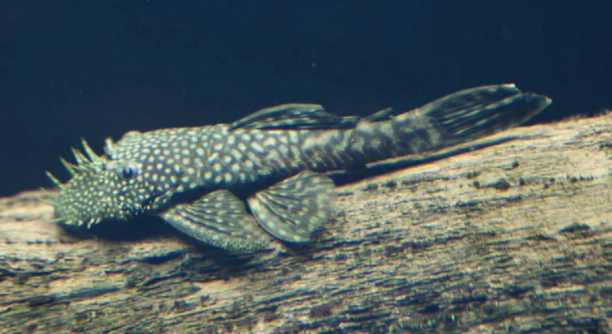
Plecos are known for their plant-based diet, which raises the question of whether vegetables alone can meet their nutritional needs. Understanding their diet is key to ensuring they stay healthy and thrive in your aquarium.
Feeding plecos only vegetables may not be sufficient for their overall health. While vegetables provide essential nutrients, a balanced diet also includes protein sources, such as algae, pellets, or occasional meaty foods to meet their full dietary requirements.
To ensure your pleco’s well-being, understanding the balance of their diet is essential. Keep reading to discover how to best feed them and maintain their health.
What Plecos Eat in the Wild
In their natural habitat, plecos are omnivorous and primarily consume plant matter, algae, and detritus found in the water. They graze on rocks, driftwood, and even fallen leaves. Their diet helps them maintain a healthy balance of nutrients, which they obtain through natural food sources. While they focus on plant material, they also scavenge for small invertebrates, which provides a protein boost. Understanding their natural feeding habits is essential for replicating their diet in captivity, as this ensures they get all the nutrients they need.
It’s important to note that plecos require a variety of food to stay healthy. A mix of plant matter and protein is necessary for their growth and energy.
In the wild, plecos are naturally exposed to a range of foods, including algae that forms on surfaces. This ensures they get both the fiber and protein needed. A single food source at home, like vegetables, won’t offer this natural balance.
Common Vegetables for Plecos
Certain vegetables can be excellent additions to a pleco’s diet. These include zucchini, cucumber, spinach, and sweet potato. These vegetables are not only rich in essential vitamins but also provide necessary fiber. By offering a range of vegetables, plecos are more likely to get a varied diet that supports their health. However, it’s crucial to rotate the vegetables to prevent dietary monotony and ensure they get all the nutrients.
While vegetables alone can help, they should be combined with other food options to make up a balanced diet. Feeding your pleco a variety of fresh vegetables will encourage them to eat, but don’t neglect the importance of protein sources.
Feeding your pleco a mix of vegetables and other nutrient-rich foods mimics their natural environment. A varied diet ensures they stay active and healthy, just as they would in the wild.
Protein Sources for Plecos
Protein is an essential part of a pleco’s diet. While they eat mostly plant matter, they also need protein for growth and overall health. Algae-based foods, such as algae wafers or pellets, are commonly used to supplement their diet with protein. These are designed to meet their nutritional needs while also being easy to digest.
Besides algae wafers, you can offer occasional treats like bloodworms or shrimp. These protein-rich options can help your pleco stay strong and healthy. They also promote natural behavior, like foraging and scavenging, which are important for a pleco’s well-being.
A balanced diet with both vegetables and protein ensures your pleco receives all necessary nutrients. While vegetables provide fiber and vitamins, protein aids in tissue repair and energy. This combination mirrors their natural diet, ensuring they stay healthy in your aquarium.
The Role of Wood in a Pleco’s Diet
Plecos are also known for their love of driftwood. It provides not only a place to hide and rest but also a source of fiber that aids in digestion. Some plecos, like the bristlenose pleco, particularly benefit from chewing on wood. The wood helps grind their teeth and contributes to their overall health.
Wood, such as Indian almond leaves or specially treated aquarium wood, offers more than just a place for plecos to hide. It also serves as a source of beneficial microorganisms that plecos graze on. These microorganisms contribute to their diet by providing extra nutrients. When you place driftwood in their tank, you’re creating an environment that supports their natural feeding habits.
Using wood in their tank is one of the simplest ways to enrich a pleco’s diet. It’s easy to add to the aquarium, and it mimics their wild environment. This small addition can make a big difference in your pleco’s happiness and health.
Supplements for a Balanced Diet
Supplements are a useful way to ensure your pleco gets all the nutrients they might miss from regular foods. Spirulina, a type of algae, is a great supplement that offers protein and essential fatty acids. It’s available in powder or wafer form, making it easy to add to their diet.
Adding supplements can help fill gaps in their diet, especially if they’re not eating a wide variety of foods. However, too many supplements can be harmful, so use them in moderation. Balancing their diet with natural food sources should always be the priority, with supplements used sparingly.
Feeding Frequency for Plecos
Plecos are relatively low-maintenance when it comes to feeding frequency. They don’t need to be fed every day, but it’s important to offer food two to three times a week. Overfeeding can lead to water quality issues, so it’s better to stick to a feeding schedule that matches their needs.
A few small feedings each week is usually sufficient to keep your pleco healthy. If they are constantly overfed, it can cause problems such as obesity or poor water quality. Monitor their behavior and adjust their feeding accordingly.
Can Plecos Eat Only Vegetables?
While vegetables are an important part of their diet, plecos can’t survive on veggies alone. They also need protein to maintain muscle growth and overall health. Offering a variety of foods ensures they get a balanced intake of nutrients for their long-term well-being.
FAQ
Can plecos eat only vegetables?
No, plecos cannot survive on vegetables alone. While vegetables should make up a large portion of their diet, they also need protein sources for their overall health. Algae wafers, bloodworms, and shrimp are excellent protein-rich options. A balanced diet with both plant matter and protein is essential for their growth and well-being.
How often should plecos be fed?
Plecos do not require daily feedings. In fact, feeding them two to three times a week is often sufficient. Overfeeding can lead to water quality issues and health problems like obesity. It’s important to monitor how much your pleco eats and adjust feeding schedules accordingly to maintain a healthy balance.
What vegetables are best for plecos?
Zucchini, cucumber, spinach, and sweet potato are some of the best vegetables for plecos. They are rich in fiber and nutrients, offering plecos essential vitamins. Make sure to blanch or soften the vegetables before offering them to your pleco to make them easier to eat and digest.
Can plecos eat fruit?
While fruits can occasionally be offered as a treat, they should not be a mainstay in a pleco’s diet. Fruits like apples and melons can be given in small amounts, but they are high in sugar and can cause digestive issues if fed too often. Stick to vegetables as their primary food source.
Do plecos need wood in their tank?
Yes, plecos benefit from having driftwood in their tank. It serves as a place to hide, as well as a source of fiber that aids digestion. Plecos also enjoy rasping on the wood, which helps wear down their teeth and mimics their natural environment. Including wood is an important aspect of their diet.
Can plecos eat algae?
Algae is a primary food source for plecos, both in the wild and in captivity. Plecos are known to graze on algae growing on rocks, walls, and other surfaces. To supplement their diet, you can provide algae wafers or specific algae-based foods designed for aquarium fish. This helps ensure they get enough nutrients from algae.
Are algae wafers a good food for plecos?
Algae wafers are an excellent food choice for plecos. They are rich in the algae that plecos naturally consume, offering a solid source of nutrition. Algae wafers are available in many different formulations, providing a convenient way to supplement their diet with both plant matter and protein.
Do plecos need a balanced diet of both plant and protein-based foods?
Yes, plecos need a balance of plant-based foods and protein to thrive. While vegetables provide necessary fiber and nutrients, protein is essential for muscle growth and overall health. Offering a variety of food sources ensures they get a well-rounded diet, which contributes to their long-term health.
Can plecos eat meat?
While plecos are primarily herbivores, they can eat small amounts of meat, like bloodworms, shrimp, or fish flesh. These protein sources should be fed sparingly to avoid upsetting their digestive system. Meaty foods provide the extra nutrients they need for muscle growth and tissue repair, but they shouldn’t make up the bulk of their diet.
How do I know if my pleco is healthy?
A healthy pleco will have a smooth, well-maintained body with no visible signs of illness, such as lesions or swelling. They should be active, grazing on surfaces, and eating regularly. If your pleco starts hiding excessively, shows signs of weight loss, or refuses food, it could be an indication of health issues. Regular water changes and a balanced diet are key to keeping them healthy.
Can I feed plecos leftovers from my tank?
While it may seem like a good idea to feed your pleco leftover fish food or other scraps, it’s not recommended. Leftover food can quickly degrade and cause water quality issues. Always provide fresh, high-quality food and remove any uneaten portions to prevent harmful buildup in the tank.
Is it okay to feed plecos cooked vegetables?
Cooked vegetables are generally fine for plecos, as long as they are prepared correctly. Blanching vegetables like zucchini or spinach softens them and makes them easier for plecos to digest. Avoid seasoning or adding oil to the vegetables, as these can be harmful to your pleco.
Can plecos eat peas?
Peas are an excellent choice for plecos. They are high in fiber and can help with digestion. To prepare peas for plecos, remove the skin and boil or blanch them until soft. Offering peas occasionally can help maintain their digestive health, especially if your pleco shows signs of constipation.
How can I encourage my pleco to eat?
If your pleco is refusing food, try offering different types of vegetables or protein-rich foods to entice them. You can also try feeding at different times of the day or changing the placement of the food in the tank. Some plecos may be shy eaters, so providing food at night or using sinking pellets can also help.
How long can plecos go without food?
Plecos can survive for a few days without food, as long as they are not overfed or stressed. However, prolonged fasting can lead to malnutrition, so it’s essential to keep a consistent feeding schedule. If you need to leave for a few days, consider using an automatic feeder to ensure your pleco gets its meals.
Are plecos nocturnal feeders?
Many plecos are nocturnal and prefer to feed at night. They tend to be more active after the lights go out, grazing on algae or seeking out food. If you don’t see your pleco eating during the day, try offering food after the lights have been turned off for a few hours.
Can plecos eat lettuce?
Lettuce can be fed to plecos in moderation, but it’s not the best option. While it’s safe, lettuce doesn’t offer much nutritional value compared to other vegetables like zucchini or spinach. If you do offer lettuce, make sure it’s organic and free from pesticides.
Can plecos eat sweet potato?
Sweet potato is a great option for plecos. It’s high in fiber and packed with nutrients, making it a healthy addition to their diet. Just make sure to cook the sweet potato before offering it to your pleco, as raw sweet potato can be tough to digest.
Final Thoughts
Feeding your pleco the right diet is essential for its health and longevity. While plecos are primarily herbivores, offering a variety of foods can help ensure they get all the necessary nutrients. Vegetables, algae, and occasional protein sources are all important aspects of a balanced diet. By incorporating different types of food, you can avoid nutritional deficiencies that may harm your pleco in the long run. Just remember, variety is key to maintaining their well-being.
While feeding them is important, it’s also crucial to monitor their eating habits and adjust accordingly. Overfeeding or offering the wrong types of food can lead to problems like obesity, digestive issues, or poor water quality in the tank. Pay attention to how much your pleco is eating, and try not to leave uneaten food in the tank for too long. A healthy feeding routine with the right food choices will support your pleco’s growth and activity levels.
Caring for a pleco goes beyond just feeding them. Providing a clean, well-maintained tank with plenty of hiding spots and driftwood will help keep your pleco comfortable and reduce stress. Regular water changes and a good filtration system are equally important in ensuring a healthy environment. By balancing their diet with the right care and attention, you can help your pleco thrive for years to come.

Hello,
If you enjoy the content that we create, please consider saying a "Thank You!" by leaving a tip.
Every little bit helps us continue crafting quality advice that supports the health, happiness, and well-being of pets around the world, for pets of all shapes, sizes, and species.
We really appreciate the kindness and support that you show us!