
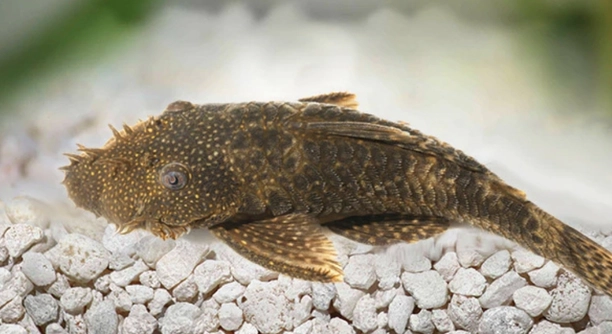
Have you ever watched your plecostomus glide around the tank and wondered if it’s silently interacting with its companions nearby?
Plecostomus fish do communicate with each other, primarily through body language, chemical signals, and environmental cues. These methods help them establish territory, signal stress, and interact socially within their aquatic surroundings.
Understanding these subtle forms of fish interaction can help you create a more comfortable and enriching tank environment for your plecos.
How Plecostomus Fish Communicate
Plecostomus fish, also called plecos, rely on more than just swimming around to express themselves. They use a mix of movement, body positioning, and chemical signals in the water to communicate. These signals may seem subtle to us, but to other fish, they’re clear and effective. Plecos often use their fins and body to show dominance or signal stress. They also emit pheromones, especially when breeding or feeling threatened. These chemicals travel through the water and send messages to other fish. You might notice a pleco suddenly chasing another or shifting into a new hiding spot. These behaviors often serve a purpose, such as protecting a space or responding to changes in their surroundings. Even the way they clean certain areas of the tank can mark territory or establish routines with others nearby. Observing these patterns gives helpful insight into their interactions and what might be influencing them.
Plecos aren’t loud or flashy communicators, but they do have their own subtle ways of staying connected with others.
Many aquarists don’t realize how much plecos respond to the tank environment and to one another. Slight changes, like new tankmates or lighting adjustments, can influence their behavior. Understanding these signs can help you better care for your pleco and maintain harmony in the tank.
Signs to Watch For
Look for fin flaring, tail flicks, or sudden movements—these are all signs of interaction among plecos.
Plecos may not form tight social groups like some other fish, but they’re not completely solitary either. When housed together, they may compete for hiding spots or establish territories, especially in tanks that are too small. Signs like chasing, nudging, or head-butting are usually about boundaries, not aggression. If multiple plecos are sharing a tank, giving each one enough space and shelters will help reduce these tensions. You might also notice shifts in behavior during feeding or when adding new fish. Some plecos become more reserved, while others get territorial. Watching these patterns over time helps you identify which behaviors are normal and which might signal stress. Knowing what to look for makes it easier to step in when needed, whether that means adjusting the layout or separating fish. Plecos communicate more than they get credit for—it just takes the right kind of observation to catch it.
Environmental Factors That Influence Communication
Lighting, tank size, water quality, and décor all affect how plecos interact. Poor lighting can cause stress, while cramped spaces increase territorial behavior. Clean water and stable conditions help plecos feel secure, making them more likely to engage in normal social signaling without unnecessary stress or aggression.
The environment plays a big role in how plecos express themselves. When the tank is too small or lacks proper hiding spots, plecos may become territorial or withdrawn. On the other hand, a well-structured tank with caves, driftwood, and plants allows them to establish spaces and communicate in calmer ways. Subtle shifts in lighting and water temperature can also influence their behavior. Plecos may become more active when the light dims or more reserved during cleaning. These changes impact how and when they send signals, whether it’s through movement or chemical cues. Giving them a steady environment helps their communication stay balanced.
A clean and consistent tank setup leads to better behavior patterns. Regular water testing, stable temperatures, and minimal disturbances go a long way. Stress disrupts natural communication signals and can even lead to illness. Keep decorations spaced so plecos don’t feel forced into conflict. Even a slight change in water pH can affect how they act around others. Plecos respond more to their setting than many fish keepers expect. Creating a tank that supports calm behavior also supports clearer interactions between them. With the right setup, communication becomes easier to spot and understand.
Breeding Behaviors and Communication
When plecos are ready to breed, their communication becomes more focused. Males become more territorial and start guarding selected spots. They might clean certain areas and display more often to attract a mate. These actions are clear signs of their readiness.
Breeding behavior is one of the most active times for pleco communication. The male usually chooses a cave or a shaded area and begins cleaning it obsessively. This action signals to females that the site is ready for eggs. When a female shows interest, she may approach slowly and observe. If she approves, she enters the space, and spawning begins. During this time, males also become more aggressive toward other males or even tankmates who get too close. After fertilization, the male guards the eggs closely, fanning them with his fins to ensure oxygen flow. These interactions during breeding are some of the clearest signs of pleco communication in a shared tank.
How Plecos React to Other Tankmates
Plecos usually avoid unnecessary interaction with other fish but will defend their space if they feel threatened. Most of their reactions are silent and physical, like sudden movements, tail flicks, or hiding for extended periods when feeling overwhelmed.
Some plecos become more active at night when others are less present. This helps them avoid conflict and still explore freely. They rarely attack unless provoked, but if tankmates invade their space, plecos may push back or display flared fins as a warning. Peaceful tankmates make a big difference in reducing stress.
Differences Between Juvenile and Adult Communication
Young plecos tend to be more reserved and spend a lot of time hiding. They’re still adjusting to their surroundings and don’t often show territorial behavior. As they grow, communication becomes more defined. Adults use fin movements, shifts in posture, and space-claiming behaviors much more often. Breeding age also brings new patterns—males get more defensive, while females become more selective. Juveniles may interact casually with one another, but adults become more private, preferring to stay in their chosen spots. Recognizing these changes helps keep the tank balanced and prevents unnecessary tension between fish of different ages and sizes.
Final Thoughts on Pleco Interaction
Plecos communicate in quiet, often overlooked ways, using their bodies and surroundings to send signals. Paying attention to these small signs makes it easier to care for them.
FAQ
Do plecos use sound to communicate?
Plecos don’t rely on sound for communication like some other fish might. Instead, they use body language, movement, and territory-based behavior. You might hear occasional clicking, but it’s not a primary communication method. These sounds can happen when they’re stressed, eating, or moving against tank materials. While not intended to “talk,” these noises might reflect discomfort or activity. For example, during breeding or conflict, clicks may become more noticeable, but they’re still limited. Most communication in plecos happens visually or through physical gestures, not through vocal or sound-based cues.
Can plecos recognize each other?
Yes, plecos can recognize other fish, especially those they share space with regularly. They may not form strong social bonds, but they do learn who lives in their environment. When a new fish is added, plecos often react differently—either hiding more or becoming territorial. Over time, if the new tankmate isn’t a threat, the pleco adjusts. Plecos tend to recognize tank boundaries and where others usually spend time. They may avoid areas claimed by more dominant fish. Familiarity can help reduce stress, so stable tank populations usually result in more predictable behavior.
Do plecos communicate during feeding?
Feeding time often triggers subtle communication. Plecos may speed up their movements or chase others off their feeding spots. These signals aren’t aggressive unless food is scarce or tankmates are too close. You might see them shift posture or flash their fins briefly. These behaviors are how they claim food without fighting. In shared tanks, adding multiple food spots helps. Plecos don’t vocalize or show affection during feeding, but their behavior is definitely more expressive than at other times. It’s one of the easier times to observe how they react to other fish.
Are plecos social or solitary fish?
Plecos are mostly solitary and do not seek out constant interaction. While they tolerate other fish, including their own kind, they prefer to keep their own space. In tanks with several plecos, you’ll often notice each one sticking to a specific cave or zone. They may occasionally cross paths, but it’s usually brief. Some species are more tolerant than others, but it’s always best to provide enough space and hiding spots. Overcrowding can lead to stress and territorial behavior. A peaceful tank depends on giving plecos the room to do their own thing without interference.
Do plecos show signs of stress when communication breaks down?
Yes, plecos show stress when they can’t express themselves or when their signals are ignored. Common signs include hiding more than usual, sudden aggression, or not coming out to feed. Poor water quality, constant lighting, or overcrowded tanks often interfere with their normal communication cues. If they don’t feel secure, they stop using their typical body language and retreat. You might also see erratic swimming or fin damage from conflict. Understanding these changes is key to helping them feel safe again. Fixing the environment usually leads to a quick improvement in their behavior.
Can plecos bond with humans?
Plecos don’t bond with humans in the same way dogs or even goldfish might. They’re not social in that sense. However, they do recognize routines. Over time, they learn feeding times and may come out when they see movement near the tank. Some even associate specific voices or habits with food. But this is more about routine than affection. While they won’t come up for attention, a calm and consistent caretaker helps them feel secure. If they trust their environment, they’ll stay visible more often, which can feel like a small kind of connection.
Final Thoughts
Plecostomus fish may not communicate the same way other pets do, but they still send messages in their own quiet ways. Body movements, changes in swimming patterns, and how they claim space all play a part. Some of their actions are tied to mood, safety, or basic needs like food and territory. While they don’t use sound or facial expressions, their behaviors are still worth paying attention to. Each movement or reaction can give you clues about how they’re feeling in the tank. Watching how they respond to other fish or to changes in their surroundings can help you understand them better.
Many plecos prefer to live alone or keep to their own space. This doesn’t mean they’re unhappy—it’s just part of their natural behavior. Some may tolerate tankmates if the space is big enough and everyone has their own hiding spots. Plecos are mostly active at night, which makes their communication easy to miss. But even during the day, their behavior patterns become clearer once you know what to look for. Over time, you may notice small signals they give off when they feel stressed, hungry, or defensive. These quiet signs are how plecos “talk” to each other and to the space around them.
Keeping plecos healthy and calm means giving them a good environment. Stable water conditions, proper tank setup, and low stress all play a big role. When their needs are met, they show more natural behaviors, and their communication becomes easier to read. Understanding their subtle signals can help you respond better, whether it’s adjusting feeding routines or giving them more room. Even if they don’t form strong bonds with other fish or humans, plecos still respond to consistency. Watching their actions closely is one of the best ways to support them. In the end, their communication might be simple, but it’s enough to let you know when something’s right—or when something needs to change.

Hello,
If you enjoy the content that we create, please consider saying a "Thank You!" by leaving a tip.
Every little bit helps us continue crafting quality advice that supports the health, happiness, and well-being of pets around the world, for pets of all shapes, sizes, and species.
We really appreciate the kindness and support that you show us!