
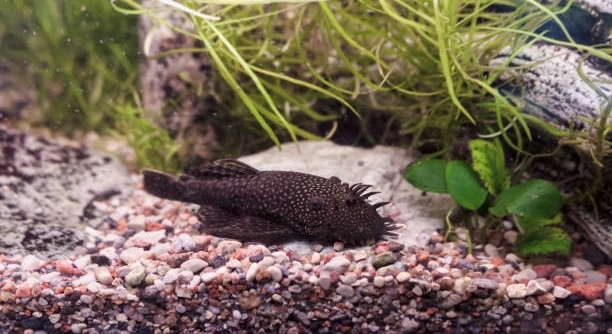
Creating the perfect home for your plecos can be both fun and rewarding. These fascinating fish need a habitat that mimics their natural environment to thrive. By understanding their needs, you can easily set up a comfortable space for them.
To create a natural habitat for plecos, focus on providing them with the right water conditions, hiding spots, and suitable tank mates. Using plants, driftwood, and rocks can help simulate their native habitat, ensuring they feel secure and healthy.
By following a few simple steps, you can provide the ideal living space for your plecos. Keep reading to discover the key elements that will make your plecos’ habitat both functional and beautiful.
1. Setting Up the Right Tank Size
When it comes to creating a proper habitat for plecos, the tank size is one of the most important factors. Plecos grow quite large, so they need enough space to move around comfortably. A tank size of at least 75 gallons is ideal for adult plecos. The larger the tank, the better it can accommodate their needs. In a cramped environment, plecos may become stressed, which can lead to health problems. It’s also crucial to remember that plecos are bottom-dwellers, so providing them with plenty of room to explore the substrate is essential.
For younger plecos, a smaller tank may suffice, but as they grow, upgrading their living space is necessary. Make sure the tank is deep enough for them to hide and swim freely. As they grow, they need to be able to stretch out and feel secure.
Choosing the right tank size will help prevent stress and give your plecos the opportunity to flourish. Additionally, it provides ample space for hiding spots and decorations, which are important for their overall well-being.
2. Maintaining Water Quality
Water quality plays a significant role in the health of plecos. These fish are sensitive to changes in their environment, especially water parameters. Keeping the water clean, stable, and within the right temperature range is crucial for their survival.
To ensure the best environment, keep the water temperature between 75 and 80°F. Regular water changes and filtration are essential to remove harmful waste and maintain clean water. Also, test the water regularly to check for ammonia, nitrites, and nitrates. Proper filtration helps keep the water circulating and prevents harmful build-up.
Proper filtration and regular maintenance are key. Plecos are often found in slower-moving waters, so a filtration system that creates gentle flow can make them feel at home. Avoid harsh water conditions, and your plecos will thrive.
3. Adding Natural Decorations
Plecos appreciate a tank filled with natural decorations. Driftwood, rocks, and live plants help mimic their natural habitat and provide the hiding spots they need to feel safe. These elements also allow plecos to graze on algae and wood, which is part of their diet.
Driftwood is particularly important, as plecos enjoy nibbling on it, and it helps maintain the right water conditions by slightly lowering pH levels. Adding smooth rocks creates surfaces for algae to grow, providing another food source. Plants, especially those that grow close to the substrate, give plecos areas to hide and explore.
When adding decorations, make sure they are aquarium-safe. Avoid sharp edges that could harm your plecos. The more you can replicate their natural environment, the more comfortable they will feel, ensuring they stay healthy and active.
4. Choosing Tank Mates
Plecos can be social but need the right tank mates to thrive. They generally do well with other peaceful species but can be territorial, especially as they grow. Avoid keeping them with smaller fish that might become stressed or harmed by their size.
Good tank mates for plecos include peaceful fish like tetras, rasboras, and guppies. Avoid larger, aggressive species that may intimidate them. Plecos can also share a tank with other bottom-dwellers like catfish, as long as there is enough space for everyone to have their own territory. Be sure to choose fish that share similar water temperature and pH requirements to keep the tank balanced.
Keeping a mix of fish that are both peaceful and compatible with plecos helps create a harmonious tank environment. It’s also essential to monitor their behavior and adjust the tank layout if needed to reduce stress and potential conflict.
5. Proper Lighting
Plecos don’t require intense lighting, but having a moderate amount of light helps maintain healthy plant growth. Use low to moderate lighting to create a natural day-night cycle. Too much light can lead to algae overgrowth and stress the plecos.
Consider using LED lights with a timer to ensure a consistent light cycle. This helps keep the plecos’ internal rhythms in check while promoting a healthy tank environment. Providing light for 8 to 12 hours a day mimics their natural habitat.
Consistent and soft lighting helps keep the tank’s atmosphere calm and promotes overall well-being.
6. Temperature Control
Maintaining the right water temperature is crucial for plecos. They thrive in water temperatures between 75°F and 80°F. Too hot or too cold water can lead to stress or health problems.
Use a reliable aquarium heater to keep the water at a stable temperature. Avoid placing the tank in areas with fluctuating temperatures, like near windows or vents. Regularly check the temperature with a thermometer to ensure it stays within the optimal range.
Maintaining proper temperature will prevent health issues and create a comfortable environment for your plecos to thrive.
7. Regular Tank Maintenance
Routine maintenance is essential to keep your plecos’ habitat healthy. This includes regular water changes, cleaning the substrate, and checking equipment. Clean filters and check for any algae growth that may build up over time.
When doing water changes, remove around 25% of the water every two weeks. Vacuum the substrate to remove any uneaten food or debris. Regular maintenance helps avoid poor water quality, which can lead to illness.
Keeping up with regular maintenance ensures your plecos live in a clean and healthy environment.
FAQ
What should I feed my pleco?
Plecos are mostly herbivores, but they are opportunistic feeders. Their diet should consist primarily of vegetables, algae, and plant matter. Offer them blanched vegetables like zucchini, cucumber, and spinach. They also enjoy algae wafers, which can be added to the tank. In addition to these plant-based foods, you can occasionally give them protein-rich foods like sinking pellets or bloodworms. It’s important to avoid overfeeding, as plecos can easily become overweight.
Feeding them a balanced diet with a variety of foods will help keep them healthy. Be sure to remove any uneaten food to maintain water quality. Plecos also need some natural wood, as they chew on it for both food and its benefits in keeping their digestion healthy. Make sure to provide a healthy mix of food, offering fresh vegetables, algae, and wood regularly.
How often should I clean my pleco tank?
Tank maintenance is important for plecos. Ideally, you should clean the tank every two weeks, doing a 25% water change each time. In addition to water changes, vacuum the substrate to remove uneaten food, debris, and waste. Clean the filter once a month to ensure proper water flow and filtration. Over time, algae can build up on surfaces like glass, decorations, and substrate, so it’s good to clean it occasionally without disrupting the tank’s balance too much.
Regular cleaning helps maintain water quality, which is vital for plecos. You can adjust the frequency of cleaning based on how much algae and waste build-up you notice. A clean environment keeps your plecos happy and prevents diseases caused by poor water quality.
Do plecos need a filter?
Yes, plecos do need a filter. While plecos are good at helping to clean algae in the tank, they still rely on a filter to keep the water clean and oxygenated. A filter will remove harmful waste, excess food, and toxins like ammonia, nitrites, and nitrates from the water.
When choosing a filter, make sure it provides gentle water flow. Plecos are not strong swimmers and can get stressed with too much current. A sponge filter is a great option, as it provides filtration while maintaining a calm water flow. Regularly clean the filter to ensure it works properly and doesn’t contribute to poor water quality.
How do I know if my pleco is healthy?
A healthy pleco will have a smooth, vibrant body and actively explore the tank. They should not have visible wounds, bumps, or strange growths. Plecos are nocturnal, so they are most active at night. During the day, they might rest or hide. Keep an eye on their appetite as well; if they stop eating or begin to lose weight, it could be a sign of illness.
Another sign of a healthy pleco is its behavior. They should be swimming comfortably, not hiding excessively, and not showing signs of distress like rapid gill movement or scraping their body against objects. Monitoring these signs regularly helps ensure your pleco remains in good health.
Can plecos live with other fish?
Yes, plecos can live with other peaceful fish. They are usually non-aggressive but can become territorial, especially as they grow larger. It’s best to avoid keeping plecos with very small or delicate fish that might be intimidated or harmed by their size. Plecos get along well with fish like tetras, rasboras, and guppies, as long as the tank is large enough to give everyone their own space.
Plecos are bottom-dwellers, so they won’t compete with fish that swim higher in the tank. If you plan to keep plecos with other bottom-dwellers, make sure there’s enough space and hiding spots to reduce territorial disputes.
What is the best tank size for plecos?
Plecos need a large tank, especially as they grow. A minimum of 75 gallons is recommended for adult plecos. While younger plecos can live in smaller tanks, they will quickly outgrow them. A larger tank not only gives plecos room to swim but also helps maintain stable water conditions.
Larger tanks are also easier to maintain in terms of water quality and temperature stability. It’s important to make sure the tank is deep enough for plecos to hide under driftwood or plants. If you are keeping multiple plecos or other species, a larger tank is necessary to avoid overcrowding.
Do plecos need a lot of hiding spaces?
Yes, plecos need hiding spots in their tank to feel secure. They are naturally shy and prefer to have places where they can rest or escape from the light. Adding driftwood, caves, and dense plants will provide plecos with the hiding spaces they crave.
Driftwood is particularly important as plecos like to hide and nibble on it. The more natural and varied the hiding spots, the better for your plecos’ mental and physical health. It’s also important to make sure the hiding spaces are large enough for your pleco as they grow. Plecos can get stressed without enough places to hide.
How can I tell if my pleco is stressed?
Stressed plecos may exhibit a variety of symptoms. If a pleco is constantly hiding, especially during the day, it could be stressed. Stress can also cause them to stop eating, or they may become lethargic and inactive. If they start to scrape their bodies against objects in the tank, it could indicate irritation or discomfort.
Physical signs of stress can include faded colors, rapid gill movement, or clamped fins. It’s essential to monitor your pleco’s behavior and the tank conditions to identify stress early. Stress can be caused by poor water quality, unsuitable tank mates, or a lack of hiding spots, so addressing these issues promptly can help reduce stress.
Why is my pleco not eating?
If your pleco isn’t eating, it could be due to a few reasons. The most common cause is poor water quality. High levels of ammonia or nitrites can make plecos feel unwell and lose their appetite. Check the water parameters and perform a water change if necessary.
Another reason could be stress. A sudden change in the tank environment or the addition of aggressive tank mates can make plecos feel threatened. Lastly, if your pleco is older, it may simply have less of an appetite. Monitor their eating habits closely and try offering different foods to see if that sparks their interest.
Final Thoughts
Creating a natural habitat for plecos is not difficult, but it does require attention to detail. By providing the right tank size, water conditions, and decorations, you can ensure that your plecos live a happy and healthy life. A larger tank, with plenty of hiding spots, smooth rocks, and driftwood, helps replicate their natural environment, which reduces stress and promotes overall well-being. It’s important to remember that plecos grow large and need space to move around. Regular maintenance, like water changes and cleaning, is also essential to keep the tank environment safe and comfortable for them.
Water quality is another key aspect of keeping plecos healthy. Maintaining stable temperature and pH levels, as well as using a proper filter, will help create a clean and balanced environment. Testing the water regularly can help prevent issues before they become serious. Proper filtration and monitoring water quality should always be a priority. Plecos are sensitive to changes in their environment, so being proactive about water changes and filter maintenance is crucial. If you notice signs of stress, such as a lack of appetite or excessive hiding, it could be a sign that something in the tank needs adjusting.
Lastly, choosing the right tank mates and feeding them properly will keep your plecos happy. While plecos are generally peaceful, it’s important to avoid aggressive fish that may stress them out. Providing a balanced diet of vegetables, algae wafers, and occasional protein will ensure they get the proper nutrients. Keep an eye on their behavior and adjust the tank environment as needed to reduce stress. With the right setup and care, your plecos will not only survive but thrive, bringing beauty and interest to your aquarium for years to come.

Hello,
If you enjoy the content that we create, please consider saying a "Thank You!" by leaving a tip.
Every little bit helps us continue crafting quality advice that supports the health, happiness, and well-being of pets around the world, for pets of all shapes, sizes, and species.
We really appreciate the kindness and support that you show us!