
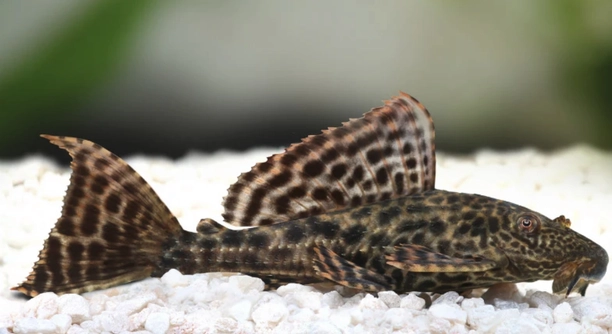
Plecos are fascinating fish that can easily capture your attention with their unique looks and behaviors. But, when you’re not watching them, they may surprise you with what they do behind the scenes. These underwater creatures have habits that go beyond simple swimming.
Plecos are nocturnal and engage in activities like algae grazing, hiding, and exploring their environment when the lights are off. They also interact with their surroundings by cleaning surfaces and sometimes even rearranging their tank decor.
Understanding these secretive behaviors will not only enhance your appreciation for these fish but also help you provide a better living environment for them.
Plecos Are Nocturnal Grazers
Plecos are known for their preference to stay active at night. During the evening hours, they tend to explore their environment, using their sensitive barbels to search for food and hiding places. They mostly feed on algae, making them natural tank cleaners. This behavior can sometimes go unnoticed, especially if you have a tank with dim lighting. These fish don’t need much attention at night and thrive in low-light settings, which is when they feel safest. If you’ve noticed less algae buildup in your tank, your pleco is likely working its magic overnight.
At night, plecos are more than just algae grazers. They also take the time to search for small hiding spots or explore their surroundings. Their nocturnal behavior is vital for their physical and mental well-being.
Plecos’ natural instincts tell them to avoid the light, so they find comfort in dim or dark settings. It’s their way of feeling secure and avoiding predators in the wild. By keeping the tank’s lighting low during nighttime, they can express their natural behaviors more freely. They may be grazing on algae or just moving around, but these actions are essential for their health. When you wake up, you’ll often find a much cleaner tank as a result of their overnight efforts.
Hiding and Exploring the Tank
Plecos need a space where they feel secure. They are often found hiding in caves or behind decorations. It’s common for them to explore these spots during the night, away from the bright lights and potential distractions.
This behavior also serves as a way to avoid other fish or stressors in their environment. The more hiding spots you provide, the better they’ll feel. You’ll often see your pleco peeking out or resting in dark areas, especially if they feel safe there. When these spots aren’t available, plecos might become stressed, impacting their behavior and overall health. Adding decorations like rocks or caves can go a long way in making them feel comfortable in their home. Plecos tend to hide during the day and become more active during the night when they can explore without feeling threatened. This behavior is crucial for them to thrive, as it reduces stress and gives them a chance to rest undisturbed.
Cleaning Surfaces and Tank Decorations
Plecos play a crucial role in maintaining a clean tank by grazing on algae that grows on surfaces. They use their sucker-like mouths to scrape algae off decorations, glass, and rocks. This cleaning behavior helps keep your tank clear of unsightly green growth.
Although they mostly focus on algae, plecos may also clean off biofilm and detritus that can accumulate over time. This behavior benefits the entire tank, as it helps prevent the build-up of harmful substances. If you’ve noticed your decorations and glass staying cleaner, your pleco is likely doing its job.
This cleaning habit is more than just about algae removal. Plecos help create a more balanced tank environment by preventing excess algae growth, which can otherwise overwhelm other plants and fish. Their nocturnal cleaning routine keeps things tidy, reducing the need for manual cleaning and maintaining a healthier tank ecosystem overall.
Plecos Rearranging Tank Decorations
Sometimes, plecos don’t just clean; they also like to move things around. Whether it’s shifting gravel, rearranging plants, or nudging rocks, plecos tend to explore and shift objects. This behavior can seem odd, but it’s completely normal.
These fish have a curious nature and use their powerful bodies to shift items in their environment. While it may appear disruptive, it’s often just their way of feeling more comfortable in their space. They may rearrange items in search of better hiding spots or more suitable algae patches.
In some cases, the shifting could be a result of their attempts to reach new areas of the tank. It’s important to ensure that decorations are secure so your pleco can interact with the environment without causing damage. If you notice your pleco moving things frequently, it’s simply expressing its natural tendencies. It can even help reduce the growth of algae in certain areas, depending on where it focuses its efforts.
Plecos Produce Waste at Night
Plecos are notorious for their nighttime waste production. When active during the night, they can release more waste than during the day. This happens as they consume algae and other organic matter in the tank. It’s something you might not notice until morning.
The amount of waste produced at night depends on the pleco’s size and the amount of food it consumes. Larger plecos typically produce more waste, which may impact the tank’s water quality if not properly filtered. Regular water changes are important to keep the environment healthy.
Plecos’ Social Interactions
Though plecos are generally solitary, they can show some social interaction with other fish. They tend to avoid confrontation, but may engage in gentle interactions with tankmates, especially during feeding times. Their behavior may vary depending on the species of pleco and the other fish in the tank.
Plecos are peaceful by nature, and they often prefer to keep to themselves. However, they might engage in some light interaction with other fish when there is food involved. They are generally non-aggressive, but smaller fish may sometimes find themselves competing for food. Keeping a balanced mix of fish in your tank can help reduce any minor conflicts. Plecos are typically content to spend most of their time on their own, but they will peacefully share space with others when conditions allow.
Plecos’ Unique Feeding Habits
Plecos are opportunistic feeders, meaning they will eat a variety of foods when available. Their primary diet consists of algae, but they also enjoy sinking pellets, vegetables, and even leftover food from other fish. This variety ensures they get the nutrition they need.
The feeding habits of plecos are quite flexible. They will often eat algae during the night, but can also nibble on vegetables like zucchini, cucumber, or spinach. Providing them with a varied diet ensures that they remain healthy and active. It’s important to offer a range of foods to meet their dietary needs.
FAQ
Why does my pleco hide all the time?
Plecos are naturally nocturnal, meaning they are more active at night and tend to hide during the day. They feel safer in dark or secluded areas, which is why you often find them resting in caves or behind decorations. Hiding is a way for them to avoid light and potential predators, ensuring their comfort. If your pleco is consistently hiding, it’s most likely a natural behavior. However, if it seems overly stressed or hides all the time, consider checking water quality or adjusting the tank setup to make it more inviting.
How often should I feed my pleco?
Plecos are typically low-maintenance eaters. They can go a day or two without food, as their diet largely consists of algae in the tank. In terms of feeding, offering food 2-3 times a week is usually enough for most plecos. You can provide sinking pellets, vegetables like zucchini or spinach, or algae wafers. If your pleco is particularly active, you might want to feed it a little more often. Be cautious not to overfeed, as this can affect water quality.
Can my pleco live with other fish?
Yes, plecos are generally peaceful and can live with many other fish species. They are known for their calm demeanor and prefer not to engage in aggressive behavior. However, you should avoid keeping plecos with smaller, more territorial fish that might bother them. Tankmates like tetras, guppies, and peaceful barbs are typically good companions. Plecos also do best in a well-planted tank with plenty of hiding spots to feel secure.
Do plecos need a large tank?
The tank size depends on the species of pleco you have. Common plecos can grow quite large, often requiring tanks that are 75 gallons or larger as they mature. Smaller species like bristlenose plecos can live comfortably in smaller tanks, typically 20 gallons or more. It’s important to research the type of pleco you have and provide an appropriately sized tank. A larger tank offers more space for the pleco to roam and ensures better water quality.
Why does my pleco keep rearranging the tank?
Plecos are curious creatures, and their natural behavior includes exploring and sometimes moving decorations or substrate. They use their powerful bodies to nudge rocks or shift plants in search of better hiding spots or feeding areas. While this can seem disruptive, it’s a normal part of their behavior. If you find this happening often, it may be beneficial to secure your decorations more firmly to avoid damage or shifting.
Is it necessary to clean my pleco’s tank?
Even though plecos help with algae control, their tank still requires regular cleaning. Plecos eat algae, but they don’t clean every part of the tank, and waste can build up in places that need to be manually cleaned. Performing routine water changes and cleaning the substrate is crucial to maintaining a healthy environment for your pleco. Make sure the filter is also functioning properly to keep the water quality in check.
How can I tell if my pleco is stressed?
Stressed plecos may exhibit signs like excessive hiding, changes in eating habits, or odd swimming patterns. If the water quality is poor or the tank is too crowded, your pleco might feel threatened. Watch for physical signs like faded colors or damage to its fins. Stress can also cause them to become less active. If you notice these behaviors, it’s essential to test the water, ensure proper tank size, and address any environmental issues.
Can I breed plecos in my tank?
Breeding plecos can be challenging, especially in a community tank. Most plecos are cave-spawners, meaning they require a specific environment to breed. The male typically creates a nest in a cave or crevice, and the female lays eggs inside. For breeding to occur, the tank should have proper water conditions, including a stable temperature, pH, and adequate filtration. It’s also helpful to provide multiple caves or hiding spots to encourage breeding behavior. Not all plecos will breed in captivity, so patience and the right environment are key.
What do I do if my pleco isn’t eating?
If your pleco isn’t eating, the first thing to check is the water quality. Poor water conditions can stress fish and make them lose their appetite. Make sure the temperature, pH, and ammonia levels are within the right range. Also, offer a variety of foods like vegetables, algae wafers, or sinking pellets to entice your pleco. If it continues to refuse food, it may be a sign of illness or stress, and you may need to consult with a vet or experienced fish keeper.
Are plecos good for beginners?
Plecos can be a great choice for beginner aquarium owners, but they do require some specific care. They are relatively low-maintenance in terms of feeding but need a properly sized tank with good filtration. Beginner aquarists should choose smaller species, like the bristlenose pleco, which are easier to manage. Keep in mind that plecos can grow large and produce waste, so it’s important to keep up with water changes and provide a suitable environment. With the right knowledge and preparation, plecos can be a good addition to your first tank.
What is the lifespan of a pleco?
The lifespan of a pleco depends on the species, but most plecos live between 10 and 15 years with proper care. Common plecos can sometimes live even longer, particularly in larger tanks with stable water conditions. Ensuring that your pleco has the right tank size, food, and environment can help it reach its full lifespan. Regular maintenance and monitoring water quality are also important factors in promoting longevity.
Final Thoughts
Plecos are fascinating fish that play an important role in maintaining the health of your tank. Their algae-eating habits help keep your tank clean, reducing the need for constant manual cleaning. However, it’s important to remember that plecos aren’t the perfect solution for all algae problems. They may not be able to keep up with excessive algae growth, especially if the tank isn’t properly maintained. While they help with algae control, regular tank cleaning and water changes are still necessary to keep everything in balance.
Their nocturnal habits can sometimes make them difficult to observe. Plecos are most active at night, which means you may not see them as much during the day. Their need for hiding spaces and low-light conditions is part of their natural behavior, so it’s essential to provide a suitable environment that meets their needs. By offering plenty of hiding spots, secure decorations, and dim lighting, you create a space where they feel comfortable and less stressed. This helps them thrive and perform their cleaning tasks more effectively.
Overall, plecos are low-maintenance fish that can be a great addition to your aquarium. However, like all pets, they require attention and care. Providing the right environment, ensuring good water quality, and meeting their dietary needs are key to keeping them healthy. Whether you’re a beginner or experienced fish keeper, plecos are relatively easy to care for as long as their basic needs are met. By understanding their behavior and making the right adjustments to your tank, you can ensure a long and healthy life for your pleco.

Hello,
If you enjoy the content that we create, please consider saying a "Thank You!" by leaving a tip.
Every little bit helps us continue crafting quality advice that supports the health, happiness, and well-being of pets around the world, for pets of all shapes, sizes, and species.
We really appreciate the kindness and support that you show us!