
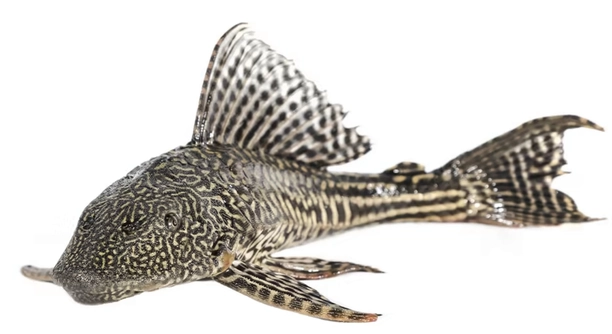
Plecos are popular aquarium fish known for their algae-eating habits. While they may seem low-maintenance, their environment plays a crucial role in their well-being. It’s important to understand how a bare tank affects them.
Plecos may not technically experience boredom as humans do, but a bare tank can lead to stress and health issues. The lack of hiding spots or surfaces to explore can affect their behavior and overall happiness.
Providing a proper habitat with decorations and hiding spots can improve their well-being. Understanding these needs is key to ensuring a thriving pleco in your tank.
How Bare Tanks Affect Plecos
Plecos are bottom dwellers that thrive in tanks with plenty of surfaces to explore. In a bare tank, without hiding spots or decorations, they can feel exposed and stressed. They are natural scavengers, often seeking out areas to graze on algae or detritus. A bare tank doesn’t provide the same opportunities. This lack of stimulation can result in lethargy, poor health, and altered behavior. Plecos may exhibit signs of stress, like reduced activity or increased aggression. A tank with objects to explore or rest under gives them the physical and mental stimulation they need to thrive.
Bare tanks also lack the essential hiding places that plecos prefer. Hiding spots are important for their sense of security. Without them, plecos may become anxious or defensive. Even simple rocks or driftwood can provide a sense of safety, which is crucial for their overall well-being.
Adding decorations to your pleco’s tank encourages natural behaviors. It gives them space to hide, graze, and explore, which keeps them active and healthy. A well-decorated tank not only improves the fish’s health but also enhances its appearance.
What to Add to Your Pleco Tank
Consider adding driftwood, plants, or rocks to the tank. These additions mimic their natural habitat. Driftwood is particularly beneficial as it provides both shelter and an opportunity for plecos to scrape for food. Live plants are also useful because they offer additional surfaces for grazing. Adding these elements allows plecos to interact with their environment, reducing stress and promoting physical activity. It’s important to make sure the decorations are smooth to avoid injuries.
Choosing the right decorations helps your pleco feel more at home. Driftwood, plants, and rocks create a more dynamic and comfortable habitat. These additions allow plecos to thrive both mentally and physically. By introducing such items into the tank, you can recreate an environment that caters to their natural instincts, promoting a happier and healthier fish. Furthermore, decorations can help maintain water quality by providing surfaces for beneficial bacteria to grow, which helps break down waste.
Pleco Tank Setup Essentials
A well-setup tank is vital for the health of your pleco. They need space, surfaces to graze on, and places to hide. The right decorations make all the difference. It’s not just about aesthetics, but creating a habitat that encourages natural behaviors.
Large rocks, driftwood, and plants are essential for a healthy pleco tank. Driftwood not only provides hiding spots but also leeches tannins, which are beneficial for the pleco’s digestive health. Live plants help mimic their natural environment while adding oxygen to the water. These elements will encourage your pleco to stay active and feel secure.
Substrate is another important consideration. Plecos are known for their bottom-dwelling habits, so having a soft, fine substrate is necessary. Gravel can be too rough and uncomfortable for them. A sand or fine gravel substrate helps prevent injury and offers a surface for them to sift through. Proper substrate ensures the tank is more suitable for your pleco’s needs.
Pleco Feeding Habits
Plecos are opportunistic feeders and require a varied diet to stay healthy. In the wild, they feed on algae, detritus, and plant matter. In a tank, this means offering more than just algae wafers. A balanced diet includes vegetables like zucchini, cucumber, and spinach, alongside protein-rich foods.
Variety is key when it comes to feeding plecos. A diet focused solely on algae wafers will not meet all their nutritional needs. Adding fresh vegetables to their diet encourages natural foraging behavior and helps keep them healthy. Plecos also enjoy protein-rich foods, such as sinking pellets and shrimp, for added nutrition. Offering a range of food types ensures they get a well-rounded diet that supports growth and overall health.
The Importance of Water Quality
Maintaining water quality is crucial for plecos. They are sensitive to fluctuations in water parameters. Regular water changes and proper filtration keep the tank clean and safe for your fish. A stable environment reduces stress and promotes overall health.
Good filtration is essential for keeping the water clean and free of harmful toxins. Plecos produce waste, which can quickly accumulate and affect water quality. By investing in a high-quality filter, you help ensure a steady flow of clean water. This not only supports the pleco’s health but also keeps the aquarium environment balanced.
Temperature and Lighting Needs
Plecos thrive in warm water temperatures, typically between 74°F and 80°F. They are sensitive to temperature swings, which can lead to stress or illness. Make sure the tank has a reliable heater to maintain the right temperature range. A thermometer will help monitor this.
Proper lighting is just as important. Plecos are nocturnal, so they do not need bright lighting. Using dim, low-intensity lights helps simulate their natural environment. A consistent light cycle ensures your pleco’s internal rhythm stays regulated while minimizing stress.
FAQ
Do plecos get lonely?
Plecos are generally solitary fish and do not require company from other plecos. They prefer having their own space in the tank. While they can coexist with other peaceful fish, they do not form bonds or exhibit signs of loneliness. A pleco is more concerned with finding food and exploring its environment.
Can plecos live without a filter?
While plecos are hardy fish, they still require a filtration system to keep the tank water clean. Without a filter, waste builds up quickly, affecting water quality and the pleco’s health. A filter helps maintain a stable environment by removing toxins and ensuring proper oxygen levels.
What size tank do plecos need?
Plecos need a spacious tank to thrive. A minimum of a 30-gallon tank is ideal for smaller species, while larger species may require 75 gallons or more. The extra space allows plecos to move freely, find food, and establish their territory without feeling cramped.
Can plecos live with other fish?
Yes, plecos can live with other fish, but they should be housed with peaceful, non-aggressive species. Aggressive or territorial fish may stress or harm your pleco. It’s best to pair plecos with other bottom dwellers or non-competitive fish that do not pose a threat.
Do plecos need a heater?
Plecos are tropical fish, so they thrive in warm water. A heater is necessary to maintain a consistent water temperature between 74°F and 80°F. Fluctuating temperatures can cause stress or illness, so a reliable heater is essential for keeping your pleco comfortable.
How often should I feed my pleco?
Plecos should be fed once or twice a day. They are nocturnal feeders, so feeding them in the evening or at night is ideal. Be sure to provide a variety of foods, including vegetables, sinking pellets, and algae wafers, to ensure a balanced diet.
Can plecos eat algae wafers only?
Algae wafers alone are not enough for a pleco’s diet. While they enjoy eating algae, they require a varied diet to stay healthy. Adding fresh vegetables, protein-rich foods like shrimp, and other sinking foods provides the essential nutrients plecos need for proper growth and health.
Why is my pleco not eating?
If your pleco isn’t eating, it could be due to stress, water quality issues, or illness. First, check the water parameters and ensure the tank environment is suitable. If the water quality is good and the pleco is still refusing food, it may be worth consulting a vet for further evaluation.
How do I keep my pleco from being stressed?
To minimize stress, provide hiding spots like driftwood and plants. Plecos need areas where they can feel secure. Keeping the water quality high, maintaining the right temperature, and avoiding aggressive tankmates will also help your pleco feel comfortable and reduce stress.
Can plecos eat shrimp?
Plecos can eat shrimp, especially if it’s part of a varied diet. Shrimp can be a good source of protein, but it should not be the only food you offer. Make sure to feed them other foods like vegetables and algae wafers for balanced nutrition.
Do plecos need light?
Plecos are nocturnal, so they do not require bright lighting. In fact, too much light can stress them out. Use dim lighting in their tank, and make sure there’s a day-night cycle with at least 10–12 hours of darkness for proper rest.
How can I tell if my pleco is sick?
Signs of illness in plecos include loss of appetite, lethargy, abnormal swimming behavior, or visible spots or lesions on their body. If you notice these symptoms, check the water quality, and consider isolating the pleco to prevent the spread of disease. Consulting a vet may be necessary.
Can plecos live in cold water?
Plecos are not cold-water fish. They require warm, stable water temperatures between 74°F and 80°F. Cold water can cause stress, a weakened immune system, and even death if they cannot adjust to the temperature. A heater is essential to maintain a suitable environment.
How long do plecos live?
Plecos can live anywhere from 10 to 15 years, depending on their species and how well they are cared for. Providing a proper diet, clean water, and a comfortable environment will help your pleco live a long, healthy life.
Are plecos aggressive?
Plecos are generally peaceful fish, but they can become territorial, especially in cramped conditions. Larger species may show aggression if they feel their space is threatened. If you notice aggressive behavior, provide more hiding spots or consider moving tankmates around to reduce conflict.
Do plecos need a lot of oxygen?
Plecos do not require excessive oxygen but benefit from well-oxygenated water. Proper filtration and surface agitation help keep oxygen levels high, ensuring a healthy environment for plecos. Using a sponge filter or air stone can also improve oxygen levels without disturbing your pleco’s natural behavior.
Can plecos clean a tank by themselves?
While plecos are often called “tank cleaners,” they are not capable of keeping the tank entirely free of algae. They can help reduce algae buildup on surfaces, but they still require regular tank maintenance, including water changes, substrate cleaning, and filter maintenance to ensure a clean environment.
Final Thoughts
Plecos are hardy and low-maintenance fish that can make a great addition to your aquarium. Their unique appearance and natural algae-eating habits often lead people to believe they can thrive in almost any tank. However, maintaining a healthy environment for a pleco requires more than just a tank with water and food. Regular care, proper tank setup, and attention to their dietary needs are essential for their long-term well-being. Without the right conditions, even a hardy pleco can experience stress and health issues.
Water quality, temperature, and lighting are some of the most crucial factors to consider when keeping a pleco. They thrive in stable, clean water with a consistent temperature. Regular water changes and a high-quality filtration system are necessary to keep the tank environment healthy. Adding plants, driftwood, and other hiding spots will give plecos the security they need to feel at ease. Remember, plecos are bottom dwellers, so ensuring there is enough surface area and safe spaces for them to explore will help reduce stress and encourage natural behaviors.
Overall, plecos are not overly demanding but do need careful attention to their environment and diet. They do not need other plecos for companionship, but they can live happily with peaceful tankmates. By providing them with the right care, including a varied diet, clean water, and space to swim and hide, you can ensure that your pleco lives a long, healthy life. Understanding their needs and how to create an ideal tank setup will help your pleco stay happy and active in its home.

Hello,
If you enjoy the content that we create, please consider saying a "Thank You!" by leaving a tip.
Every little bit helps us continue crafting quality advice that supports the health, happiness, and well-being of pets around the world, for pets of all shapes, sizes, and species.
We really appreciate the kindness and support that you show us!