
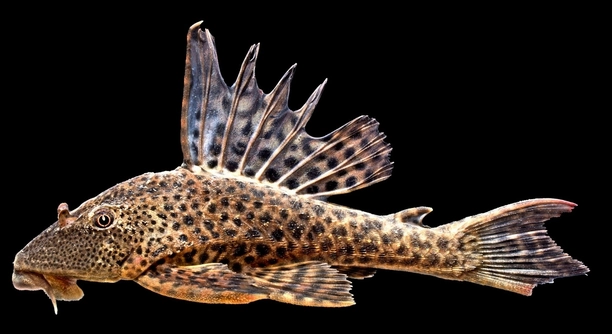
Keeping a Plecostomus in a round tank raises several concerns regarding their well-being and environment. Understanding the limitations of a round tank is essential for their health and longevity.
A round tank is not ideal for a Plecostomus due to its shape, which disrupts water flow and creates stress. The lack of space and water circulation can harm the fish’s health, potentially leading to health issues and stunted growth.
The right environment for your Plecostomus can make a significant difference in their happiness and longevity.
The Importance of Tank Shape for Your Plecostomus
When it comes to keeping a Plecostomus, the shape of the tank is crucial for their comfort and health. A round tank can be a challenge due to its lack of corners, which creates a confined space. This affects the water flow, which is vital for the fish’s well-being. Without proper circulation, oxygen levels can decrease, and the Plecostomus may struggle to thrive.
For healthy fish, a rectangular or square tank is always the best choice. These shapes allow for even water flow, providing a better environment. A larger tank also gives the Plecostomus room to swim and grow, reducing stress. Over time, the fish can develop health issues in a round tank due to the limited space and poor water flow.
The overall health of your Plecostomus depends on more than just water quality. Tank shape plays an essential role in providing a stable environment where your fish can swim freely. This includes adequate space and better filtration to ensure your Plecostomus stays strong and healthy for years.
Size and Space Requirements
Plecostomus require ample space for swimming and growing. A tank size of at least 50 gallons is recommended for one fish. This ensures that they have enough room to move around.
With more space, your Plecostomus can maintain its health, as it allows for proper oxygen circulation and waste management. Larger tanks reduce the buildup of harmful substances, making them easier to maintain.
An appropriately sized tank also helps in controlling temperature and water quality, essential for the fish’s long-term health. By providing a larger, more stable environment, you create the best chance for your Plecostomus to live a long, healthy life.
Water Flow and Circulation
Proper water flow is essential for a Plecostomus. In a round tank, the water doesn’t circulate well, leading to stagnant areas that can harm the fish. Plecostomus thrive in environments with continuous, gentle water movement, which mimics natural conditions.
Water flow helps oxygenate the tank, ensuring that your fish can breathe easily. A strong filtration system will also maintain clean water, which is crucial for their health. In a round tank, poor circulation can result in dirty water, affecting both the fish and the plants. Without good water flow, harmful substances build up, creating an unhealthy environment.
If you choose to keep your Plecostomus in a round tank, you’ll need to invest in additional equipment like strong filters or water pumps to keep the water flowing properly. However, a rectangular tank naturally promotes better circulation, making it a much easier and healthier choice for your fish.
Stress and Health Issues
Stress is a common issue for Plecostomus in round tanks. Their inability to swim comfortably can cause anxiety and physical problems. Constant stress can weaken their immune systems, making them more susceptible to illness. This could lead to a shorter lifespan and frequent health problems.
Fish are sensitive to their environment, and a tank with limited space can trigger stress. Plecostomus need room to explore and find hiding spots. In round tanks, there are fewer opportunities for them to feel secure, which contributes to stress. This constant strain can even stunt their growth over time, preventing them from reaching their full potential.
It’s important to remember that keeping your Plecostomus in a stress-free environment is crucial. Reducing their stress levels can improve their overall health, helping them live longer, more active lives. A larger, more suitable tank creates a better space for your fish to relax and thrive.
Filtration and Tank Maintenance
In a round tank, filtration is harder to manage. The shape makes it difficult for the filter to distribute water evenly. This results in dead spots where waste and debris accumulate, causing dirty water that’s harder to clean.
Good filtration helps remove toxins and waste, providing a cleaner environment. In a round tank, the limited water movement makes it more challenging for the filter to perform its job effectively. Inadequate filtration can lead to poor water quality, harming the fish. A rectangular tank, on the other hand, allows the filter to work efficiently, keeping the water clean.
A round tank will require more effort to keep the water clear. If you’re set on using one, ensure you have a high-quality filtration system and check the water frequently to avoid buildup. A larger tank with a good filtration system will save time and effort in maintenance.
Temperature Control
Temperature control can be a struggle in a round tank. The lack of space makes it harder for heaters to maintain a stable temperature throughout the tank. This can lead to temperature fluctuations, which stress the fish.
A consistent temperature is essential for Plecostomus. Sudden changes can weaken their immune systems and make them more vulnerable to disease. When choosing a tank for your Plecostomus, consider one with enough room for a reliable heater to maintain a stable environment.
Stable temperatures will reduce stress and contribute to your fish’s health. Ensuring that the tank size supports effective temperature regulation is key to providing a healthy habitat.
FAQ
Can a Plecostomus live in a small round tank?
A Plecostomus requires space to thrive, and a small round tank doesn’t provide the right environment for them. While they may survive for a short time, the lack of space, proper water flow, and adequate filtration will likely lead to health issues. A small tank will also stress them out, as Plecostomus need room to explore and establish their territory. It’s better to choose a tank that’s at least 50 gallons with a rectangular or square shape for better water circulation.
Why is water flow important for Plecostomus?
Water flow is crucial because it helps oxygenate the tank and keeps water moving, which is essential for Plecostomus to stay healthy. Poor water flow can lead to stagnant areas in the tank, which makes it harder for the fish to breathe. In a round tank, the water flow is restricted, leading to an environment that’s harder to maintain and can cause poor water quality. In a rectangular tank, the water circulates more effectively, making it easier to provide a cleaner, healthier environment.
Can a Plecostomus live in a tank with no filtration?
No, Plecostomus cannot live in a tank without filtration. These fish produce waste that can quickly pollute the water, so proper filtration is essential to remove toxins and debris. Without a filter, harmful substances build up, affecting the water quality and making it unsafe for the fish. Filtration also helps maintain good water flow and oxygen levels. Even in a large tank, it’s important to ensure the filtration system is adequate to handle the waste load produced by a Plecostomus.
What size tank does a Plecostomus need?
The minimum tank size for a single Plecostomus is around 50 gallons. These fish can grow quite large, and they need room to swim and explore. A tank that’s too small can cause stress and stunt their growth. Plecostomus also need plenty of hiding spaces and a good water flow, which a larger tank can provide. If you plan to keep more than one, you will need an even bigger tank to ensure each fish has enough space to thrive.
What are the signs that my Plecostomus is stressed?
Stress in a Plecostomus can show up in several ways. You may notice that your fish is hiding more than usual or displaying erratic swimming patterns. They may also lose their appetite or start developing skin problems like lesions or faded coloring. Stress is often caused by poor water quality, lack of space, or a tank that doesn’t provide proper filtration. If you notice these signs, it’s important to address the cause quickly to prevent further health problems.
Is a round tank ever okay for a Plecostomus?
While a round tank can be an attractive choice, it is not ideal for a Plecostomus. The shape limits water flow, which can cause stress and harm the fish. The lack of corners also makes it harder for the Plecostomus to establish territory, which is vital for their well-being. If you’re looking for a healthy, long-term home for your Plecostomus, a rectangular or square tank is always the better option. It’s important to prioritize the fish’s needs when choosing their living space.
How often should I clean the tank for a Plecostomus?
Regular tank maintenance is essential for Plecostomus. You should perform a partial water change of around 25-30% every 1-2 weeks. Regular cleaning of the tank and filter is also important to ensure waste and debris are removed. In a round tank, cleaning can be more challenging, as poor circulation can cause waste to accumulate in certain areas. A larger tank with proper filtration will make maintenance easier and more effective.
Can Plecostomus live with other fish?
Yes, Plecostomus are generally peaceful fish and can live with other species, but they may be territorial. It’s important to choose tank mates that won’t provoke or stress them. They get along well with other bottom-dwelling fish and peaceful species that do not compete for the same resources. Avoid aggressive fish or overly active ones that may disturb the Plecostomus. As long as their space and needs are respected, they can coexist well in a community tank.
How do I make sure my Plecostomus stays healthy?
To ensure your Plecostomus stays healthy, provide them with a well-maintained tank that has the right water temperature, filtration, and space. Feed them a balanced diet of algae wafers, vegetables, and occasional protein. Regularly check water parameters such as pH, ammonia, nitrate, and nitrite levels. Maintaining a stable environment with proper tank care is key to their well-being.
Can Plecostomus live in low-light tanks?
Yes, Plecostomus do well in low-light environments. They are nocturnal creatures, so they are adapted to living in dim lighting conditions. However, it’s important to ensure that the tank still has adequate lighting for plant growth if you have live plants. The light should be low enough not to stress the fish, but still enough for plants and other inhabitants to thrive. Be mindful of the light cycle, as Plecostomus require periods of darkness to feel secure.
Do Plecostomus need live plants in their tank?
Plecostomus do not specifically require live plants, but they can benefit from them. Plants provide hiding spots, which are essential for their comfort and stress reduction. They also help improve water quality by absorbing excess nutrients. If you choose to have live plants, ensure they are tough enough to withstand the Plecostomus’ tendency to nibble on them. However, it’s not essential to have live plants, and your Plecostomus can do well with decorations or artificial plants instead.
Final Thoughts
Choosing the right tank for your Plecostomus is essential for their health and well-being. A round tank, while visually appealing, isn’t ideal for this species. The limited space and restricted water flow in a round tank can lead to poor water quality and stress for the fish. Plecostomus require a stable environment to thrive, and a rectangular or square tank offers the best conditions for them. Larger tanks allow for better water circulation, effective filtration, and sufficient space for these fish to grow and explore.
Filtration and water quality are key factors in keeping a Plecostomus healthy. Without proper filtration, waste and toxins can quickly build up in the tank, which may harm the fish. In a round tank, water flow is less efficient, making it harder for the filter to clean the water effectively. This can lead to poor water quality, stressing the Plecostomus and making them more susceptible to disease. For the best results, choose a tank that allows for optimal filtration and water circulation. Regular maintenance, including water changes and filter cleaning, is also necessary to keep the environment clean.
While a round tank may look nice, it’s not the most suitable choice for a Plecostomus. These fish need space, good water flow, and proper filtration to live comfortably. A larger, rectangular tank offers the best conditions for their health. With the right tank, filtration system, and regular maintenance, you can provide a thriving environment for your Plecostomus. Always consider the fish’s needs before making a tank decision to ensure they live a long and healthy life.

Hello,
If you enjoy the content that we create, please consider saying a "Thank You!" by leaving a tip.
Every little bit helps us continue crafting quality advice that supports the health, happiness, and well-being of pets around the world, for pets of all shapes, sizes, and species.
We really appreciate the kindness and support that you show us!