
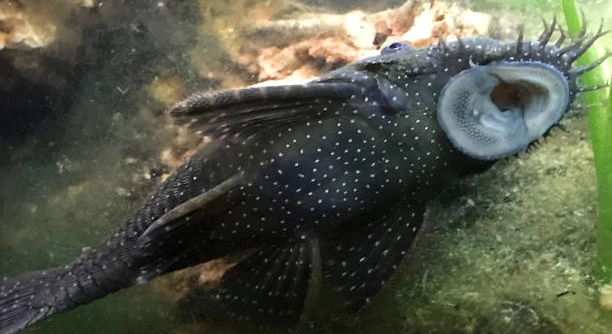
Is your pleco spending more time hiding, growing larger, or causing more mess than before? These changes could mean something important. Learning what to look for can help you avoid problems and keep your fish healthy.
A pleco outgrowing its tank may show signs like stunted growth, damaged fins, increased waste production, or frequent hiding. These behaviors often stem from limited space, poor water quality, and inadequate filtration caused by an undersized tank.
Recognizing these changes early can help you decide when it’s time to upgrade your pleco’s living space and care routine.
Sign 1: Rapid Growth with Limited Space
Plecos grow quickly, especially during their first year. A tank that once seemed large enough can become too small fast. If your pleco is around 6 inches or more and still growing, space can become an issue. When plecos don’t have enough room, they can become stressed, which affects their health and behavior. You might notice it swimming less, hiding more, or struggling to navigate the tank. A cramped environment can also cause damage to their fins or body from bumping into decorations or glass. It’s important to remember that common plecos can grow over a foot long, requiring a tank of at least 75 gallons. If your current tank doesn’t meet that need, upgrading will help reduce stress and keep your pleco comfortable. Ensuring proper tank size supports physical health, reduces aggression, and promotes normal behavior like grazing on surfaces and exploring the environment throughout the day.
Smaller tanks can stunt a pleco’s growth and harm its internal organs. Growth is often slowed, not stopped, leading to long-term health concerns.
It’s better to prepare for adult size early rather than deal with the health problems caused by long-term overcrowding. A proper tank size gives your pleco space to grow without stress.
Sign 2: Excessive Waste and Dirty Water
Plecos produce a lot of waste, especially as they grow larger. If you notice your tank needs cleaning more often, your pleco may be outgrowing its current setup.
A larger pleco has a bigger appetite, which leads to more waste. In a smaller tank, this quickly overwhelms the filter, resulting in cloudy water, algae buildup, and increased ammonia levels. These conditions harm not only your pleco but also any tank mates. Even if you clean the tank regularly, dirty water will return quickly if the filtration system cannot keep up. Frequent water changes become necessary, which can be tiring and stressful for the fish. A strong, well-sized filter in a larger tank helps manage waste more effectively. As your pleco grows, so should your filtration capacity. Upgrading the tank allows you to install more powerful filters, giving your fish a cleaner environment. Good water quality supports digestion, reduces disease risks, and makes your pleco more active.
Sign 3: Damaged Fins or Body Scratches
If your pleco is frequently bumping into tank decorations or glass walls, it may start to show signs of physical damage. Scratches, torn fins, or bruises can result from trying to maneuver in a space that’s too small.
These injuries often happen when plecos don’t have enough room to swim or turn comfortably. Decorations with sharp edges can become hazardous in tight quarters. Even smooth surfaces can cause wear if your pleco constantly rubs against them due to lack of space. Fins might fray or split, and the body can show marks or redness. While occasional minor damage isn’t unusual, repeated signs point to an issue. Over time, this physical stress can make your pleco more prone to infections. A larger tank gives it space to swim freely and reduces the risk of injuries. Providing open areas, smooth surfaces, and fewer obstructions will help protect its body.
A pleco with physical injuries may also start acting differently. It might become less active or hide more often, especially if it’s in pain or feels unsafe. You might also see it lose interest in food. These changes in behavior, along with visible signs of damage, can all point to a tank that’s too small for its needs.
Sign 4: Aggression or Territorial Behavior
Plecos usually have a peaceful nature, but a cramped tank can make them territorial. If your pleco begins to chase tank mates, guard certain spots, or show sudden aggression, the tank may be too small for its comfort.
Lack of space forces plecos to compete for resting spots and hiding areas. This is especially true for adult plecos who enjoy claiming a specific place in the tank. In smaller setups, there may not be enough surfaces or caves to satisfy this instinct. This can lead to stress, fin nipping, and even injury to tank mates. Over time, the situation can affect the entire tank’s harmony. Moving your pleco to a larger tank with more space and hiding areas helps reduce this tension. It’s also useful to add multiple decorations or caves to give each fish a place to settle. A peaceful tank depends on enough room for each inhabitant to feel secure.
Sign 5: Reduced Activity or Constant Hiding
Plecos are generally active at night, but they shouldn’t be completely inactive during the day. If yours is hiding all the time or barely moves, it could be uncomfortable in a space that’s too small.
Constant hiding may also be a response to stress caused by poor water quality or a lack of space. A larger tank with better filtration and more hiding spots can help your pleco feel safer and become more active again.
Sign 6: Outgrowing Decorations and Hiding Spaces
When a pleco can no longer fit into its favorite cave or behind a tank decoration, it’s a clear sign it’s getting too big. These spaces are important for rest and security. Without them, stress builds, and your pleco may feel exposed. Swapping in larger or more spacious hiding spots helps, but if the tank itself is too small to accommodate them, it’s time to upgrade. Decorations that were once perfect may now limit movement or even cause injury if your pleco tries to squeeze through tight spaces. A bigger tank allows for properly sized hiding areas and smooth movement.
Sign 7: Difficulty Sticking to Surfaces
Plecos use their mouths to attach to glass, driftwood, and decorations. If yours struggles to stay attached or frequently slips off, it may not have enough room to move comfortably or rest properly. Limited space can reduce surface options and lead to fatigue.
FAQ
How big does my pleco need to be before it outgrows the tank?
Plecos grow quickly, and many species can reach over a foot in length. A common pleco typically grows up to 12-15 inches, while larger species may even exceed that size. If your pleco is around 6 inches or more, it’s a sign that its space needs are increasing. For a pleco to thrive, a tank size of at least 75 gallons is recommended, with some species requiring even more. A tank that initially seemed large enough will feel cramped as your pleco grows, which can lead to stress, stunted growth, or health problems.
Can a pleco’s size be limited by the tank?
Yes, a tank that’s too small can restrict a pleco’s growth, but it doesn’t stop it entirely. If the environment isn’t suitable, growth may slow down, but internal organs will still grow, which can lead to health complications. In the long run, stunted growth due to inadequate space is unhealthy for the fish. A larger tank will help the pleco grow to its full potential and avoid issues like organ stress or deformities caused by overcrowding.
How can I tell if my pleco is stressed due to lack of space?
If your pleco is stressed from overcrowding, you may notice signs like constant hiding, reduced activity, or aggression. Stressed plecos often stop eating or display erratic swimming patterns. Their fins may become torn or frayed from bumping into objects, and they may exhibit unusual behaviors such as rubbing against tank surfaces or glass. A stressed pleco can also develop visible injuries or even a weakened immune system, making it more susceptible to illness.
What can I do to prevent my pleco from outgrowing its tank?
The most effective way to prevent your pleco from outgrowing its tank is to provide a larger, more suitable environment. If you’re planning on keeping a pleco long-term, make sure to have a tank that is large enough for its adult size. Additionally, invest in a quality filtration system that can handle the increased waste produced by a growing pleco. Regular water changes, maintaining good water quality, and avoiding overcrowding with other fish will also help ensure your pleco remains healthy.
Do plecos need a lot of space even when they are young?
While young plecos don’t need as much space as adults, they will still benefit from a tank that allows them to move freely. If you start with a smaller tank, be prepared to upgrade as your pleco grows. Even as juveniles, plecos are active and will explore their environment. Providing them with space for swimming and grazing will help promote healthy development. Starting with a larger tank can save you the trouble of upgrading later.
What happens if I don’t upgrade the tank in time?
If you don’t upgrade the tank in time, your pleco will likely become stressed, which can lead to poor health. The fish may stop eating, exhibit unusual behavior, or suffer from stunted growth. A cramped tank can also lead to poor water quality, which further stresses the pleco. In some cases, this can lead to disease, and the fish may become more vulnerable to infections due to weakened immune systems. It’s important to recognize the signs of overcrowding early to avoid these issues.
What size tank do I need for a fully grown pleco?
For most plecos, a tank size of at least 75 gallons is recommended. Larger species may require up to 100 or 150 gallons. As plecos grow, they need more space to swim, graze, and rest. A tank that is too small can cause stunted growth and unhealthy conditions, so it’s important to provide them with enough room. Along with tank size, ensure that your tank has proper filtration and regular maintenance to support the growing waste load.
Can plecos live with other fish in a small tank?
Plecos can live with other fish, but it’s essential to ensure that the tank is large enough to accommodate everyone. In a small tank, plecos may become territorial, and aggression can occur. They may also feel stressed if there’s not enough space for them to hide or explore. If you plan to keep plecos with other fish, make sure the tank is spacious, with plenty of hiding spots and adequate filtration. Additionally, choose tank mates that are peaceful and not overly competitive for space.
What are the best tankmates for plecos in a larger tank?
In a larger tank, plecos can peacefully coexist with a variety of tankmates, such as tetras, guppies, or angelfish. It’s best to choose species that won’t compete for space or food. Avoid keeping them with aggressive fish that may try to bully the pleco. Plecos tend to be bottom-dwellers, so it’s good to pair them with fish that swim at other levels of the tank. Be sure to offer plenty of hiding spots and decoration to create a more natural environment for everyone.
Final Thoughts
When it comes to keeping plecos, space is a crucial factor in ensuring their health and well-being. These fish grow quickly and can reach sizes that require larger tanks as they mature. Ignoring the need for a bigger tank as your pleco grows can lead to various issues, including stress, stunted growth, and health problems. A tank that is too small can restrict their movement, limit their access to food, and even impact their ability to rest and hide. As a result, the growth and overall health of your pleco could be negatively affected. Ensuring that your pleco has the space it needs is an important step in providing a comfortable environment for it.
Regular monitoring of your pleco’s size and behavior is key to knowing when it’s time for an upgrade. If you notice that your pleco is constantly hiding, not moving much, or struggling to fit into its favorite hiding spots, these are clear signs that the tank may no longer be sufficient. Also, be aware of changes in your pleco’s eating habits or swimming patterns, as these could signal stress or discomfort. Plecos are known for their active behavior, so a lack of movement or an increase in hiding time can indicate that they are outgrowing their space. Early intervention can help prevent unnecessary stress and ensure that your pleco remains healthy.
Upgrading to a larger tank should be part of a long-term plan for your pleco’s care. While it may seem like an additional effort, the benefits far outweigh the challenges. Providing a larger tank not only allows your pleco to grow to its full potential but also promotes better water quality and filtration. A well-maintained, spacious tank will help your pleco thrive and live a healthier life. As a pleco owner, taking the time to monitor their growth and adjust their environment accordingly is essential. With the right care, your pleco can continue to be a beautiful and healthy addition to your aquarium.

Hello,
If you enjoy the content that we create, please consider saying a "Thank You!" by leaving a tip.
Every little bit helps us continue crafting quality advice that supports the health, happiness, and well-being of pets around the world, for pets of all shapes, sizes, and species.
We really appreciate the kindness and support that you show us!