
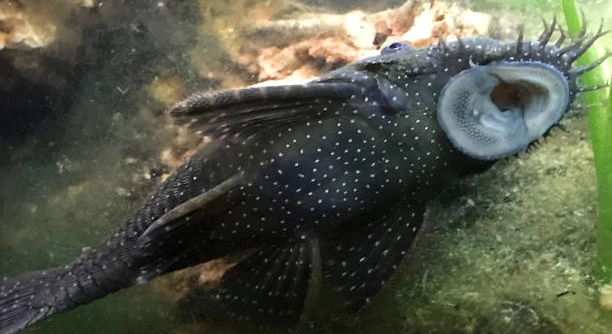
Is your plecostomus spending most of its time hiding in dark corners or behind decorations, away from the light in your tank?
Plecostomus often avoid light due to their natural nocturnal behavior. In the wild, they are most active during the night and rest during daylight hours. Bright tank lighting can trigger hiding instincts and cause stress-related behavior.
This behavior may seem unusual, but it reflects how your pleco experiences its environment and daily rhythm in captivity.
Why Plecostomus Prefer the Dark
Plecostomus are naturally adapted to low-light environments. In the wild, they live in shaded riverbeds and hide under rocks or driftwood during the day. Bright lights can feel overwhelming, so they seek shelter to feel safe. Their bodies are built for nighttime activity, with eyes that adjust better to darkness. This behavior is not only normal but healthy, as it reduces stress and helps them maintain a natural routine. If your tank lighting is intense or lacks proper hiding spaces, your pleco might retreat even more. Adding caves, plants, or driftwood can make them feel secure and encourage more natural behavior.
Stress from excessive lighting can lead to reduced activity, irregular feeding, and long-term health concerns.
Understanding their preferences helps you make your aquarium more comfortable. With dim lighting, plenty of cover, and minimal disturbances during the day, your plecostomus can settle into a routine that supports its health and comfort.
Creating the Right Environment
Lighting intensity plays a big role. A bright setup without shade can discourage your pleco from being active.
Use low to moderate lighting and provide areas with deep shade. Hiding spots like caves, dense plants, and driftwood are essential. Avoid sudden changes in lighting, as these can cause stress. Placing your tank in a calm, quiet area also helps. Feeding them in the evening aligns better with their natural behavior, encouraging them to emerge when they feel safest. Stick to a regular schedule to support this routine. These small adjustments create a stable environment where your plecostomus feels secure. When they feel comfortable, you’ll notice more movement during their active hours.
Common Mistakes to Avoid
Bright overhead lights without shaded areas can make your plecostomus hide more often. A bare tank or one with too many reflective surfaces can also increase stress, making your fish feel exposed and unsafe.
Avoid placing your aquarium in direct sunlight or under high-wattage lights without providing shaded zones. If there are no caves, plants, or low-light areas, your pleco may stay hidden all the time. Refrain from rearranging their environment too often, as this disturbs their sense of security. Loud noises or frequent tapping on the glass can also cause hiding behavior. Even strong water flow near their resting spots can be uncomfortable. Always consider their need for still, shadowed spaces when adjusting tank décor or maintenance routines.
Consistency helps. Use a timer for lighting and keep feeding schedules steady. Don’t rely on trial and error with lighting settings or decorations. Monitor their behavior for signs of discomfort and adjust accordingly.
Signs Your Plecostomus Is Stressed
If your pleco rarely comes out at night, eats less, or becomes sluggish, it may be reacting to stress. Other signs include clamped fins, erratic swimming, or pale coloring compared to their usual appearance.
Watch for changes in movement patterns and feeding habits. A plecostomus that doesn’t graze at night or hides excessively may be overwhelmed. Flicking against surfaces, avoiding certain areas, or spending long periods stuck behind filters are red flags. Poor water quality, loud environments, and aggressive tank mates also add to stress. Keep ammonia, nitrites, and temperature within safe levels. Ensure tank mates are peaceful and not competing for the same spaces. A stressed pleco can weaken over time, leading to health problems. Creating a low-stress environment helps them feel at ease, boosting their appetite and overall activity. Subtle changes in their behavior are often the first sign that something in the tank setup needs to be corrected.
Light Sensitivity in Plecos
Albino and longfin plecos are especially sensitive to light. Their lighter coloring and delicate fins make them more prone to hiding in bright conditions. Keeping the tank dim and shaded is important for these types.
Use floating plants or dimmable lights to create a calmer environment. These small changes reduce stress and support natural behavior.
Night Activity Patterns
Plecostomus are nocturnal and do most of their feeding and exploring after the lights go off. Their body clocks are set for nighttime, so they rest during the day. If you rarely see your pleco, it could simply be following its normal cycle. Watching them at night with dim lights or a red bulb can help you better understand their habits. Avoid disturbing the tank during their resting hours. Provide steady routines to keep them calm. With the right setup, you’ll see more of their active side when the lights are low.
When to Make Changes
If your pleco stops eating, becomes overly reclusive, or shows signs of stress, changes to the tank setup may be needed.
FAQ
Why does my plecostomus hide all day?
Plecostomus are nocturnal, meaning they are naturally more active at night. During the day, they seek shelter to feel safe and reduce stress. If your tank is brightly lit or lacks proper hiding spots, they will stay out of sight even more. Adding caves, driftwood, and plants helps them feel secure.
Is my plecostomus sick if it’s avoiding light?
Not necessarily. Avoiding light is normal behavior for plecos, especially if they are exposed to bright lighting without shade. However, if this behavior is combined with a loss of appetite, color changes, or erratic swimming, it may be a sign of stress or illness.
What kind of lighting is best for a plecostomus?
Use low to moderate lighting. Avoid overly bright lights unless you balance them with shaded zones created by decorations or floating plants. Dimmable LED lights or lights on a timer help regulate their environment and reduce stress.
Do plecos ever become active during the day?
Some plecos may occasionally come out during the day, especially if they feel safe and the lighting is dim. Feeding schedules and tank design also affect this. Generally, though, they stick to nighttime activity and rest during daylight hours.
Can plecostomus get stressed from too much light?
Yes. Bright, direct lighting without shaded areas can cause stress. This may lead to hiding, reduced activity, and poor health over time. Keeping the tank shaded and providing a calm environment helps reduce this stress.
How do I know if my plecostomus is comfortable in its tank?
A comfortable pleco will graze on surfaces at night, rest calmly during the day, and eat regularly. If it swims calmly, hides in familiar spots, and responds to feeding, it’s likely at ease. Erratic swimming, constant hiding, or loss of appetite may indicate discomfort.
Is it okay to use a night light in the tank?
Yes, using a dim red or blue night light can let you observe your pleco without disturbing its natural behavior. Avoid bright lights during their active hours. Red light is less likely to bother them and allows for subtle nighttime viewing.
How much hiding space does a pleco need?
Every pleco should have access to at least one solid hiding spot where it can fully retreat. Larger tanks may require multiple spots, especially if other fish are present. Caves, tunnels, driftwood, and thick plants all work well as hiding options.
Can tank mates affect how much light my pleco tolerates?
Yes. Aggressive or overly active tank mates can make your pleco more sensitive to environmental stress, including lighting. If it’s constantly being disturbed, it may hide more often. Peaceful tank mates help reduce tension and encourage more natural behavior.
Does the time I feed my plecostomus matter?
Yes. Feeding in the evening or shortly after lights go off supports their natural routine. If food is offered only during the day, your pleco might miss it or feel too stressed to come out and eat. Consistent feeding helps reduce anxiety.
Should I ever worry if my pleco is always in hiding?
If your pleco is eating well, appears healthy, and comes out at night, it’s likely fine. Constant hiding paired with other signs like not eating, pale color, or rapid breathing may point to stress or illness and should be checked.
Do plecos need darkness to stay healthy?
They don’t require complete darkness, but consistent access to shaded, dimly lit areas is important. A balance between day and night lighting helps mimic their natural habitat. Avoid sudden changes and always provide a routine they can adapt to.
How long do plecos usually stay hidden after a tank change?
After changes to their environment—like cleaning, moving decorations, or adding new fish—plecos may hide more often for a few days. This is a normal reaction. Once things settle and routines return, they typically resume their usual patterns.
Final Thoughts
Understanding why your plecostomus avoids light can help you create a better tank environment. These fish are naturally shy and prefer to stay hidden during the day. Their nocturnal habits make them more active at night, which is when you’re most likely to see them exploring. Light sensitivity is common, especially in albino or longfin varieties. Bright lights, lack of shelter, or a tank that feels unsafe can all contribute to hiding behavior. It’s important not to confuse this with illness unless other signs are present, such as loss of appetite, changes in color, or unusual swimming patterns. By recognizing what is normal for your pleco, you can avoid unnecessary worry.
Lighting plays a big role in how your plecostomus behaves. Too much light without enough shade can increase stress and lead to more hiding. A well-balanced tank includes soft lighting, floating plants, and enough hiding spaces for your pleco to rest comfortably during the day. Watching your fish’s behavior at night can give you a better understanding of its routine. Feeding in the evening or using a dim night light can also encourage more activity when your pleco feels most secure. Sticking to a consistent light schedule helps your fish settle into a routine, which is essential for its comfort and health.
If your plecostomus spends a lot of time avoiding light, it doesn’t always mean something is wrong. In many cases, it’s simply following its natural behavior. Making small changes, like adjusting the lighting or adding more cover, can improve how your pleco feels in its environment. Always keep an eye on eating habits and overall energy levels. If your pleco is active at night and eating well, it’s likely doing just fine. A peaceful tank with calm lighting and plenty of hiding places goes a long way in helping your plecostomus feel secure. With a little attention to its needs, you can support a healthy and comfortable life for your fish.

Hello,
If you enjoy the content that we create, please consider saying a "Thank You!" by leaving a tip.
Every little bit helps us continue crafting quality advice that supports the health, happiness, and well-being of pets around the world, for pets of all shapes, sizes, and species.
We really appreciate the kindness and support that you show us!