
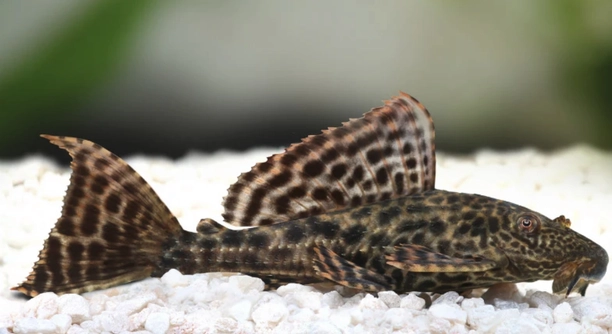
Many aquarium enthusiasts wonder if plecos, the popular algae eaters, have a preference for dark substrates. It’s a common question among pleco owners, especially those seeking to create the best environment for these fish.
Research suggests that plecos do indeed show a preference for darker substrates. This may be due to the natural habitats of many pleco species, where dark riverbeds provide a sense of security and mimic their native environment.
Understanding how plecos respond to substrate colors can help you create an optimal setting. This article explores the reasoning behind their preferences and how you can improve their living conditions.
Why Do Plecos Prefer Dark Substrates?
Plecos are naturally found in rivers and streams with darker, murky waters, so they tend to feel more comfortable in darker environments. In the wild, these fish live among rocks and fallen leaves, which often create a darker substrate. This natural setting offers plecos both cover and protection, which is likely why they prefer similar conditions in aquariums.
For plecos, dark substrates help create an environment where they feel safe. The shadows and contrast from a dark base give them a sense of hiding, mimicking the protective environments of their natural habitats. In addition, dark surfaces help them feel more secure while they scavenge for food, reducing stress.
Choosing the right substrate can impact how plecos behave in an aquarium. While they can adapt to lighter substrates, they seem to thrive more in darker ones, where they can maintain their comfort level. This is especially important for keeping plecos happy and healthy. Keeping their tank conditions as close to their natural habitat as possible will support their well-being.
The Impact of Tank Lighting
The lighting of your aquarium also plays a role in how plecos react to substrate color. Bright lighting combined with a light-colored substrate can increase stress for your pleco.
Dark substrates work best with dimmer lighting. The combination of both creates a calm environment for plecos, which can reduce stress levels. In aquariums with bright lighting, plecos may feel more exposed, leading to anxiety and hiding more often. A dimmer setup helps mimic the shadows and calmness they would experience in their natural habitats.
Substrate Options for Plecos
Dark-colored substrates like black sand or dark gravel are ideal for plecos. These options help replicate the natural habitats of these fish, creating a comfortable and secure space. It’s essential to choose materials that are smooth to prevent injury, as plecos often move around by grazing on the substrate.
When selecting a substrate, avoid brightly colored or rough materials. Plecos are bottom-dwelling fish, and they spend a lot of time near the substrate. Sharp or overly light-colored materials may cause discomfort or stress. Opting for natural colors like dark brown or black can give your pleco a more relaxing environment. This makes it easier for them to explore without feeling exposed.
For those looking to enhance the tank’s appearance, combining dark substrates with plants or driftwood can further improve the habitat. Plecos enjoy hiding among plants and other decorations. Adding a few natural elements can replicate the feeling of safety they would get in the wild. This combination also contributes to a more aesthetically pleasing setup.
How to Maintain the Right Substrate
Maintaining a dark substrate is simple but important for pleco health. Regular cleaning prevents debris and algae from accumulating. Plecos are natural scavengers, but it’s still important to ensure the substrate doesn’t get too dirty, as this can lead to poor water quality.
To clean the substrate, use a vacuum cleaner designed for aquarium use. Gently suck up waste and uneaten food without disturbing the pleco too much. Also, ensure the tank has good water circulation to help keep the substrate clean. If needed, perform partial water changes regularly.
Keeping the substrate clean helps maintain optimal conditions for plecos. Dark substrates tend to hide dirt more effectively than lighter ones, but this can also lead to unnoticed buildup if not cleaned properly. Regular maintenance is key to avoiding water quality issues, ensuring your pleco’s health and comfort.
Other Factors to Consider for Pleco Comfort
While substrate color is important, other factors also influence pleco comfort. The water temperature, pH, and overall tank environment all play a role in keeping plecos healthy. These fish thrive in well-maintained aquariums with stable conditions.
In addition to substrate, lighting is crucial. Too bright of a tank can make plecos feel exposed. Consider using dimmer lights or adding decorations like plants or driftwood to create a more natural, shaded environment. This helps replicate the cover found in their natural habitat and supports their well-being.
Temperature and Water Conditions
Plecos prefer warm water, usually between 72°F and 82°F (22°C to 28°C). Consistently maintaining the proper temperature range promotes their health.
Stable water conditions are essential to prevent stress. Regular water changes and monitoring the pH levels can help avoid harmful fluctuations, ensuring a comfortable environment. Too much change can lead to illness or discomfort, so consistency is key for plecos to thrive.
Feeding Plecos in a Proper Substrate Setup
The right substrate helps keep plecos’ natural foraging behavior intact. They spend time grazing on algae and detritus from the bottom. When they feel comfortable in their environment, they are more likely to be active in their food search.
FAQ
Do plecos need a dark substrate to feel comfortable?
Plecos generally feel more secure in dark substrates. In the wild, they often live in murky, shaded waters, where dark riverbeds and rocks provide them with cover and a sense of safety. A dark substrate, like black sand or gravel, mimics these natural conditions and can help plecos feel more at ease in an aquarium. While they can adapt to lighter substrates, they tend to thrive in a darker environment that feels more like their native habitat.
Can plecos live in light-colored substrates?
Yes, plecos can live in light-colored substrates, but it may not be their preferred environment. Lighter substrates do not offer the same level of security, and plecos may feel exposed in brighter settings. This could result in them spending more time hiding. Though they are adaptable, a darker substrate is generally a better option for their comfort and well-being.
What is the best substrate for plecos?
The best substrate for plecos is one that is smooth, dark-colored, and easy to clean. Black sand or fine gravel are excellent choices. These materials are gentle on their sensitive bodies and replicate the dark, natural environments plecos are used to. Make sure the substrate is not too sharp, as rough surfaces can cause injury to plecos.
Can plecos live in gravel or sand?
Yes, plecos can live in both gravel and sand. Both substrates are suitable, but there are some things to keep in mind. If you choose gravel, ensure that the particles are not too sharp or large, as plecos like to sift through the substrate. Sand is often preferred by plecos because they can easily sift through it, which mimics their natural feeding habits. The choice between gravel or sand largely depends on personal preference and ease of maintenance.
How often should I clean the substrate in my pleco tank?
Regular cleaning of the substrate is essential for maintaining good water quality and preventing the buildup of waste. Aim to clean the substrate once every two weeks, but this can vary depending on the size of your tank and the number of fish. Be sure to use an aquarium vacuum to gently clean the substrate without disturbing the plecos too much. Always monitor the water parameters to ensure that the tank environment stays stable.
Is it necessary to add plants or driftwood for plecos?
While not strictly necessary, adding plants and driftwood to the tank can greatly benefit plecos. Driftwood provides hiding spots and helps recreate the shaded, sheltered environments plecos enjoy. It also serves as a food source for plecos, as they graze on the biofilm that develops on the surface. Plants can help improve water quality and provide additional hiding places, reducing stress and promoting a healthier environment for your pleco.
Can plecos live in a bare-bottom tank?
Plecos can survive in a bare-bottom tank, but it’s not ideal for their overall well-being. A bare-bottom tank lacks the foraging opportunities that plecos need to stay active and healthy. Plecos often scavenge on the bottom, searching for food like algae and detritus. Without a substrate, they have fewer opportunities to exhibit this natural behavior, which can lead to stress over time. It’s better to provide a substrate, even if it’s a simple layer of dark gravel or sand.
How does substrate color affect plecos’ behavior?
Substrate color can influence pleco behavior, especially in terms of their comfort level. Darker substrates, like black sand, create an environment where plecos feel more secure. They may be more active and comfortable, spending time grazing and exploring. On the other hand, bright or light-colored substrates can make plecos feel exposed, causing them to hide more often. In general, a darker substrate encourages plecos to engage more with their environment and reduces stress.
Can plecos tolerate different water conditions with dark substrates?
While a dark substrate can improve pleco comfort, it doesn’t directly impact their tolerance to different water conditions. Plecos require stable water parameters, including the correct temperature, pH, and water hardness, regardless of substrate color. A dark substrate, however, can help create a more suitable environment for plecos by mimicking their natural habitat. Always make sure to regularly check and maintain water quality, as this has a far greater effect on pleco health than the substrate itself.
Do plecos need specific water lighting with dark substrates?
Plecos generally prefer dimmer lighting, especially when kept in dark substrate environments. Bright lights can cause stress and discomfort, making plecos more likely to hide. Using softer, subdued lighting creates a more natural atmosphere for plecos, replicating the shady conditions they experience in their wild habitats. Combining dim lighting with a dark substrate can help create an ideal, low-stress environment for plecos.
Can a dark substrate help control algae growth?
A dark substrate can play a role in controlling algae growth in an aquarium. Algae are less likely to grow on dark surfaces compared to light-colored substrates, as algae thrive in bright, illuminated environments. However, substrate color alone will not prevent algae buildup. Regular cleaning and proper tank maintenance are still necessary to keep algae growth under control. A dark substrate may reduce the visibility of algae, but it’s not a complete solution to algae issues.
Should I use a dark substrate for other fish with plecos?
Using a dark substrate for plecos can benefit many other species as well. Fish like catfish, certain tetras, and loaches also feel more comfortable in dark environments, which mimic their natural habitats. However, some fish, like those that thrive in brightly lit tanks, may not prefer the darker setting. It’s essential to consider the specific needs of all the fish in your tank before choosing a substrate. In general, a dark substrate can be beneficial for a variety of species, especially bottom-dwelling fish like plecos.
Can plecos adapt to light-colored substrates over time?
While plecos may not prefer light-colored substrates, they can adapt to them over time. However, it might take some time for plecos to adjust, and they may spend more time hiding or being less active. Their behavior may be less natural compared to when they are kept in a tank with darker substrates. If you’re concerned about their comfort, gradually transitioning to a darker substrate might be a better solution. This gives your pleco time to adjust and feel secure.
Final Thoughts
When it comes to plecos, the substrate you choose can make a big difference in how they feel and behave in your tank. Plecos naturally come from darker, murky waters, so they often feel more secure in environments that mimic these conditions. Dark substrates, like black sand or fine gravel, provide the kind of cover that plecos prefer. These darker colors can create a safe and comforting space, helping reduce stress. Plecos are bottom dwellers, and they spend a lot of time near the substrate, so it’s essential to choose one that suits their needs.
While dark substrates are generally the best choice for plecos, it’s also important to keep in mind that other factors like lighting, water temperature, and tank decoration all play a role in creating the ideal environment. Bright lighting can cause plecos to feel exposed, especially if the substrate is too light. Using dimmer lighting with a dark substrate can replicate their natural environment, helping them feel more secure. Additionally, plants and driftwood can provide hiding spots and give plecos the chance to graze, which helps keep them active and healthy. Maintaining stable water conditions is also critical to ensure that your plecos remain comfortable and stress-free.
Ultimately, providing the right substrate and environment for your plecos is about mimicking the conditions they would naturally thrive in. A dark substrate helps recreate their native habitat, offering a sense of safety and comfort. Although plecos can adapt to different substrates, giving them a setup that matches their natural preferences will likely improve their quality of life in your aquarium. By paying attention to their needs, you can ensure that your plecos stay happy, healthy, and active in their tank.

Hello,
If you enjoy the content that we create, please consider saying a "Thank You!" by leaving a tip.
Every little bit helps us continue crafting quality advice that supports the health, happiness, and well-being of pets around the world, for pets of all shapes, sizes, and species.
We really appreciate the kindness and support that you show us!