
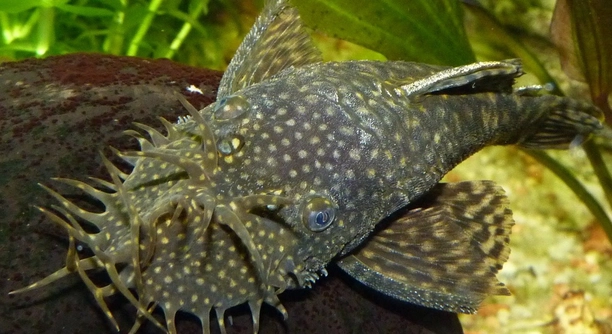
Do you have a shy plecostomus and want to bond with it better? Understanding their unique behavior can make the experience more enjoyable and rewarding. With the right approach, you can form a connection with your fish.
The best way to bond with a shy plecostomus is by creating a calm and consistent environment. Regular feeding, gentle interactions, and providing hiding spots will help your plecostomus feel more secure and gradually become comfortable with you.
With a few easy steps, you can make your plecostomus feel more at ease and build a positive relationship.
Create a Safe and Comfortable Space
Plecostomus are naturally shy and prefer hiding in quiet, secure environments. To bond with them, start by setting up a tank that makes them feel safe. Add plenty of hiding spots like caves, driftwood, or plants. A well-planted tank will give your plecostomus space to retreat when it feels threatened. Avoid bright lights and sudden movements, which may startle it.
It’s essential to keep the water clean and the tank’s conditions stable. A stable environment can help reduce stress, allowing your plecostomus to feel more at ease.
Additionally, make sure the water temperature and pH levels are appropriate for your fish’s species. When your plecostomus feels secure in its space, it will begin to interact more over time. Patience is key, as it may take a while before it fully trusts you. Regular maintenance of the tank and monitoring of water parameters will ensure a long-term, healthy relationship with your fish.
Provide Regular, Predictable Feedings
Feeding is a great way to connect with your plecostomus. Try feeding it at the same time each day, using sinking pellets or algae wafers.
This consistency can help build trust, as your plecostomus will learn to associate your presence with food. As the fish gets used to your routine, you might notice it becoming more comfortable around you.
Avoid Overcrowding the Tank
Overcrowding can make your plecostomus feel more stressed and less likely to interact. Ensure there is plenty of space in the tank for all of its inhabitants. Too many fish can lead to competition for food and hiding spots, which might cause your plecostomus to retreat even more.
If you have multiple fish in the tank, choose species that are compatible with plecostomus. Avoid any aggressive or overly active fish that might disturb its peaceful environment. Overcrowding increases the risk of poor water quality, which could also make your plecostomus anxious. Keep the tank well-maintained with proper filtration and occasional water changes to keep the water clean and healthy.
By limiting the number of fish and focusing on a peaceful environment, your plecostomus will have a better chance of adjusting to its surroundings and forming a more comfortable relationship with you.
Be Patient and Consistent
Patience is crucial when building a bond with a shy plecostomus. These fish don’t quickly warm up to human interaction, so it’s important not to rush the process. Be consistent with your actions and interactions.
If you try to force contact or make sudden movements, your plecostomus will retreat to its hiding spots. Let it approach you at its own pace. Gradually, it will feel more comfortable with your presence. Continue with regular feedings and minimal disturbances. As time goes on, your plecostomus will slowly adjust to its environment and learn to trust you more.
A consistent, calm approach is the key to bonding with your plecostomus.
Use Gentle, Non-Intrusive Interaction
Avoid overwhelming your plecostomus with sudden, loud, or rapid movements. Keep interactions gentle and slow, especially when near the tank. This will help reduce stress and allow the fish to feel safe. Over time, your plecostomus may become more accustomed to your presence.
While it may be tempting to constantly interact with your plecostomus, give it space when it retreats. The fish needs time to adjust. When it feels safe, it will start responding to your presence in its own time, possibly even coming closer as it becomes more comfortable.
Offer Hiding Spots and Comfort
Plecostomus thrive when they have places to hide. Provide caves, rocks, or driftwood where they can retreat if needed. These spots help your fish feel secure and reduce stress.
Incorporating more natural elements into the tank will mimic the fish’s natural habitat, giving it a sense of safety and comfort.
Keep the Tank Consistently Clean
Maintaining a clean tank is essential for your plecostomus’s health and comfort. Regular water changes, proper filtration, and routine cleaning will help prevent algae build-up and maintain good water quality.
Poor water quality can stress out your plecostomus and hinder bonding. A healthy tank supports a healthy fish.
FAQ
How do I know if my plecostomus is stressed?
Signs of stress in a plecostomus include hiding more often, loss of appetite, or swimming erratically. If it constantly hides or seems unusually inactive, it could be a sign that the tank environment isn’t ideal. Changes in color or abnormal behavior like swimming upside down or rubbing against objects may also indicate stress.
To help reduce stress, double-check the water temperature, pH, and other parameters. Make sure your plecostomus has plenty of hiding places. Stress can be caused by overcrowding, sudden changes in water quality, or aggressive tankmates. Keeping the environment stable and calm can help your fish feel safe.
Can I train my plecostomus to interact with me?
While plecostomus are not known for their social nature, with consistent, gentle interaction, they can get used to your presence. Start by feeding them at the same time every day. Over time, they may begin associating you with food and become more comfortable. However, they are unlikely to become as interactive as other more social fish species.
Be patient. Plecostomus are slow to warm up, so avoid forcing interaction. Instead, create a peaceful environment where they can feel safe. Eventually, they may come closer to you during feeding times or move more freely around the tank.
What should I feed my plecostomus to help bond with it?
Feeding your plecostomus at a consistent time each day helps establish a routine and trust. Algae wafers, sinking pellets, or blanched vegetables like zucchini or spinach are great options. Plecostomus are primarily herbivores, but some will also enjoy occasional protein-rich foods like shrimp or bloodworms.
Feeding your plecostomus in the same spot every day helps it associate you with food. Avoid overfeeding, as this can cause water quality problems. Stick to a simple feeding routine, and your plecostomus will start to look forward to your presence.
How long will it take for my plecostomus to trust me?
Trusting a human is a gradual process for a plecostomus. It could take weeks or even months for your fish to feel comfortable around you. Each plecostomus has its own personality, and some may take longer than others to warm up. It’s important to be patient and consistent in your approach.
Allow your plecostomus to settle in its new home and avoid forcing contact. It will gradually begin to recognize your presence and associate you with food and care. Over time, the bond may strengthen, but it’s essential to respect the fish’s natural timidity.
What should I do if my plecostomus is constantly hiding?
Hiding is a common behavior for plecostomus, especially in the first few weeks after being introduced to a new tank. As long as it is eating regularly and showing no other signs of distress, hiding is generally normal. Plecostomus are nocturnal and may be more active at night.
However, if hiding is excessive or paired with other signs of stress, such as loss of appetite or discolored skin, it may indicate a problem with the water quality, temperature, or tankmates. Ensure the tank environment is stable and check for any aggressive fish that could be making the plecostomus feel unsafe.
Can I keep multiple plecostomus in the same tank?
While it’s possible to keep more than one plecostomus in the same tank, be mindful of tank size and territory. Plecostomus are solitary by nature and might become territorial, especially if the tank is too small. If the tank is large enough, you can keep multiple plecostomus, but ensure there are enough hiding places and space for each one.
If you plan to keep more than one plecostomus, monitor their behavior for signs of aggression or stress. It’s important that each fish has a secure hiding spot to retreat to if needed. Proper tank maintenance is also crucial to avoid poor water conditions.
What tank size is ideal for a plecostomus?
A plecostomus needs a fairly large tank due to its size and active nature. A 30-gallon tank is usually the minimum for a single plecostomus. If you plan to keep more than one or have other fish in the tank, a larger tank is needed to provide enough space.
Plecostomus can grow quite large, so it’s important to upgrade to a bigger tank as your fish grows. Providing ample swimming space and hiding spots is essential for its well-being. The larger the tank, the more stable the water quality will be, reducing the risk of stress.
How often should I clean my plecostomus tank?
A clean tank is essential for the health and comfort of your plecostomus. Regular water changes, ideally every two weeks, will help maintain good water quality. Be sure to remove any excess food and waste that accumulates at the bottom of the tank. Clean the filter regularly to prevent debris buildup.
How often you need to clean depends on the size of the tank and the number of fish you have. A larger tank may require less frequent cleaning, while smaller tanks need more attention. Monitor the water quality regularly to ensure the environment is healthy.
Why does my plecostomus stay at the bottom of the tank?
Plecostomus are bottom dwellers by nature, so it’s normal for them to spend most of their time near the bottom of the tank. They prefer to graze on algae, plants, and food that sinks. If your plecostomus is healthy and active, staying at the bottom is likely just part of its natural behavior.
However, if the fish is lethargic or hiding excessively, check the water quality and temperature. Poor water conditions or stress from tankmates can cause abnormal behavior. As long as your plecostomus is eating and moving around occasionally, its bottom-dwelling habits are nothing to worry about.
Can I add plants to the tank with my plecostomus?
Yes, adding plants to your plecostomus tank is a great idea. Plants provide hiding places and improve the overall aesthetic of the tank. Many plecostomus enjoy grazing on algae that grow on plants, which can help keep the tank clean.
Make sure to choose hardy plants that can tolerate the plecostomus’s grazing. Some plants may not survive long if your plecostomus munches on them too much. Consider adding fast-growing plants or those that can withstand light grazing. Keep the plants well-maintained and ensure the plecostomus still has plenty of space to hide and move around.
Final Thoughts
Building a bond with a shy plecostomus can take time and patience, but it’s a rewarding experience. These fish are naturally timid and prefer quiet environments, so understanding their needs is key to gaining their trust. The most important step is to create a peaceful and secure tank. By ensuring your plecostomus has plenty of hiding spots and a clean, stable environment, you are setting the foundation for a more comfortable and trusting relationship. Plecostomus thrive in tanks where they feel safe, so take your time and observe their behavior to make adjustments as needed.
One of the main ways to connect with your plecostomus is through regular, consistent feeding. Offering food at the same time each day will help your fish associate you with positive experiences. Over time, it may become more comfortable with your presence, especially if it learns to expect food and care from you. Remember that forcing interaction or making sudden movements can stress out a plecostomus, so it’s important to allow it to approach you on its own terms. Be patient, as building trust with a shy fish is not an overnight process.
Lastly, always be mindful of your plecostomus’s environment and well-being. Keep the water clean, check the tank conditions regularly, and make sure there are no aggressive tankmates. A healthy, calm tank will give your plecostomus the best chance to adjust and gradually become more comfortable with its surroundings. Although these fish may never be as social as other species, with time and care, your plecostomus can learn to trust you. Understanding their needs and respecting their space will go a long way in building a positive and peaceful bond.

Hello,
If you enjoy the content that we create, please consider saying a "Thank You!" by leaving a tip.
Every little bit helps us continue crafting quality advice that supports the health, happiness, and well-being of pets around the world, for pets of all shapes, sizes, and species.
We really appreciate the kindness and support that you show us!