
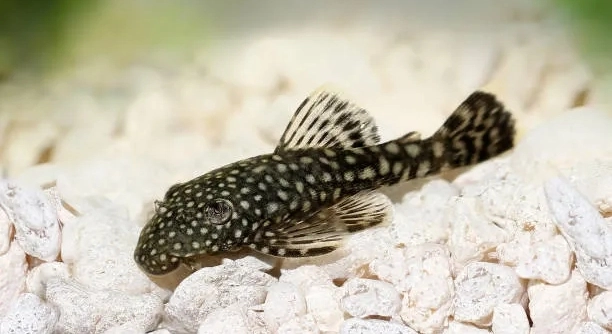
Do your plecos sometimes behave in unusual ways? You may notice certain habits that seem odd but are actually normal for these fascinating creatures. Understanding these behaviors will help you take better care of your pleco.
Plecos have unique behaviors that might seem strange but are completely normal. From unusual swimming patterns to unexpected hiding spots, these habits are a natural part of their behavior and can be explained by their instincts and environment.
By understanding these habits, you’ll be able to appreciate your pleco’s personality and know how to make their environment more suitable. Keep reading to learn about these quirky, yet totally normal behaviors that every pleco owner should know.
Plecos Are Nighttime Explorers
Plecos are most active at night, especially when the lights are off. This behavior is natural for them since they are nocturnal creatures. During the day, they often rest in caves, driftwood, or hidden corners of the tank to avoid bright light. They are more active at night, searching for food and swimming around the tank.
This behavior allows them to feel safer and less exposed. At night, they are free to move without the constant presence of the aquarium’s bright lights. Their preference for nighttime activity is an instinct that has evolved over time.
If you notice your pleco resting during the day and exploring at night, don’t worry—it’s just their natural rhythm. You may also notice them being more social in the dark, often coming out to interact with the tank’s environment or with other fish. Make sure to provide hiding spots during the day, so they feel secure.
Plecos Are Bottom Feeders
Plecos tend to spend much of their time on the bottom of the tank, often attached to surfaces like rocks or glass. This habit is typical of their feeding behavior, as they naturally scavenge the substrate for food.
Their mouths are adapted to suck up algae, detritus, and leftover food. Plecos help keep the tank clean by consuming organic matter that other fish might miss. However, it’s essential to ensure they have enough food in addition to algae to maintain a balanced diet.
Bottom-feeding is also linked to their desire for safety. Staying low to the ground helps them avoid potential threats, as they feel less vulnerable in these areas. If you observe them sticking to the bottom, don’t worry—it’s just part of their routine. In a well-maintained tank, their natural behavior ensures that the environment remains healthy.
Plecos Are Territorial
Plecos are known to be quite territorial, especially when they feel their space is being invaded. This behavior may lead to them chasing away other fish or becoming more aggressive towards newcomers. The territory they protect typically includes hiding spots like caves, rocks, or pieces of driftwood.
Their territorial instincts are linked to survival. In the wild, having a designated space to rest and feed is crucial for their well-being. In a tank, they may claim a particular area and defend it against other fish. However, their aggression usually isn’t harmful, as long as the tank is large enough and provides ample hiding spaces for all its inhabitants.
Providing multiple hiding spots in a well-planted tank can help reduce stress and territorial disputes. Keeping a peaceful environment for your pleco and other fish is important to ensure that everyone gets along without issues.
Plecos Can Change Their Color
Plecos have the ability to change their color, which might seem odd but is a normal behavior. The color shift is typically influenced by their environment, diet, or even their mood. For example, they may appear darker when stressed or lighter when they’re content and healthy.
This color change helps them blend in with their surroundings, offering a sense of security. In a well-maintained tank, you might notice that your pleco becomes lighter or darker depending on the amount of light and the background. Their color is also affected by the food they eat, particularly if there’s a lot of algae or plant material.
If your pleco’s color seems off, it could indicate stress or an issue with its environment. Keeping the water parameters stable and providing a balanced diet can help maintain a healthy appearance. Watching for subtle color changes can also provide insight into their emotional and physical health.
Plecos May Eat Their Own Skin
It may sound strange, but plecos sometimes eat their own skin. This behavior is natural and can happen during the molting process. Plecos shed their skin as they grow, and they may nibble at it to keep their tank clean or because they need extra nutrients.
Molting is a normal process that allows plecos to grow, and consuming their old skin is a way for them to recycle nutrients. In the wild, this behavior ensures they make use of all available resources. In your tank, it’s a natural way for them to maintain their health.
If your pleco is eating its skin, don’t be alarmed. It’s not a sign of illness or distress but rather a part of their natural growth process. Ensure your pleco has enough food to maintain its health during this time. A balanced diet can also help support the molting process.
Plecos Can Attach to Surfaces
Plecos are known for sticking to tank surfaces with their sucker-like mouths. This behavior helps them graze on algae and clean surfaces in their environment. They may attach to glass, rocks, or even decorations to feed or rest.
It’s important to note that this behavior is natural. Their mouths are designed to create a strong vacuum that allows them to latch onto smooth surfaces. They often do this to feed on algae or to feel more secure. It’s also common to see them attached to decorations or tank walls, especially when they need a place to rest.
Make sure your pleco has enough algae to feed on, or supplement their diet with algae wafers. This behavior will often be seen in tanks with plenty of surfaces for them to attach to, so you’re providing a great environment by adding rocks or driftwood.
Plecos Can Produce Mucus
Plecos produce mucus to protect their skin from parasites and infections. This slimy coating can sometimes be seen around them or on the surfaces they touch. The mucus helps create a barrier that keeps harmful microorganisms at bay.
While this may look unusual, it’s entirely normal. Plecos naturally secrete mucus as part of their defensive mechanisms. They also use it to help them glide smoothly over surfaces while feeding. It’s essential for keeping them healthy in an aquarium setting. If you see an excess of mucus, however, it could be a sign of stress or illness.
If the mucus production becomes too excessive, it might indicate that the water quality needs to be improved. Regular water changes and maintaining good filtration will ensure that your pleco stays healthy and comfortable. Monitoring this behavior can help prevent potential health issues.
Plecos Are Social Creatures
Although plecos are often seen as solitary fish, they can be quite social with other plecos. They may interact with each other, especially when they’re of the same species. However, they can also become territorial, so some peacekeeping is needed in a tank with multiple plecos.
In larger tanks, plecos can coexist with one another as long as they have enough space to establish their own territories. They tend to get along better with other bottom-dwelling fish that don’t compete for the same resources. However, they might engage in mild aggression to protect their space, especially during feeding times.
If you plan on keeping multiple plecos, ensure your tank is spacious enough to accommodate them. Providing plenty of hiding places and ensuring there’s enough food can reduce the chances of conflict. With the right setup, plecos can peacefully share a tank and occasionally interact with each other.
FAQ
Why is my pleco hiding all the time?
Hiding is a normal behavior for plecos, especially during the day. As nocturnal creatures, they prefer to stay out of sight during the light hours to avoid predators. They may hide in caves, behind decorations, or even in plants to feel secure. If your pleco is constantly hiding, it’s likely just following its natural behavior. However, if it seems overly stressed or lethargic, it’s worth checking the water parameters and tank conditions. Ensure that the environment is peaceful and that there are no threats causing stress, like aggressive tank mates.
How do I know if my pleco is sick?
If your pleco’s behavior changes significantly, it could be a sign of illness. Look for symptoms such as a loss of appetite, abnormal swimming (like swimming upside down or staying near the surface), or visible spots or lesions on the skin. Discoloration, excessive mucus production, or heavy breathing can also indicate a problem. Keeping a close eye on their behavior and appearance, along with regular water testing, can help you spot health issues early. If you suspect something is wrong, it’s best to consult a vet experienced with fish or a knowledgeable aquarium expert.
Do plecos need a specific tank setup?
Yes, plecos need a tank that mimics their natural habitat. They thrive in tanks with plenty of hiding spots, such as caves, driftwood, or large plants. Plecos are bottom dwellers, so it’s important to provide a substrate like smooth gravel or sand where they can forage. They also appreciate clean water with good filtration, as they produce a lot of waste. Additionally, the tank should have a stable temperature and pH level to keep them comfortable. A well-maintained tank setup will ensure your pleco stays healthy and happy.
What do plecos eat besides algae?
While plecos are great at eating algae, they need a varied diet to stay healthy. In addition to algae, you can feed them sinking pellets or wafers designed for plecos. They also enjoy vegetables like zucchini, cucumber, and lettuce. Occasionally offering protein-rich foods like shrimp, bloodworms, or other fish food will help provide the necessary nutrients. Be sure to remove any uneaten food after a few hours to prevent water contamination. A balanced diet is crucial to avoid malnutrition and ensure proper growth.
Can plecos live with other fish?
Yes, plecos generally get along with peaceful tank mates. They are usually non-aggressive and tend to keep to themselves, especially if there’s plenty of space and hiding spots. However, they can become territorial, especially when they feel crowded or stressed. Smaller, more active fish might cause them to retreat into hiding, but they’re typically fine with other bottom dwellers or calm fish. It’s important to avoid keeping them with overly aggressive or fin-nipping species, as this can lead to stress or injury. Always monitor their interactions to ensure a peaceful tank environment.
How long do plecos live?
Plecos can live quite a long time, typically ranging from 10 to 15 years if cared for properly. Some species of plecos, like the common pleco, can even live up to 20 years in the right conditions. To ensure they live a long life, provide them with a suitable tank size, good water quality, and a balanced diet. Regular water changes, proper filtration, and monitoring their health are essential in supporting their longevity.
Why does my pleco suck on the glass?
When plecos suck on the glass, it’s usually because they are looking for algae to graze on. The glass of the tank often accumulates algae, and plecos use their specialized mouths to scrape it off. This behavior is completely normal and is a key part of their natural feeding habits. If you notice your pleco sucking on the glass, it’s likely just for food. You can also provide additional algae wafers or vegetables to ensure they are getting enough to eat, especially in tanks where algae may be limited.
Do plecos need a filter?
Yes, plecos produce a significant amount of waste, so a filter is essential for maintaining good water quality. A good filtration system helps remove excess nutrients, debris, and waste from the water, which can prevent algae blooms and harmful toxins from building up. A filter also promotes water circulation, which is important for plecos, as they prefer well-oxygenated environments. Be sure to choose a filter that is appropriately sized for your tank, and perform regular maintenance to keep it running efficiently.
Can plecos live in small tanks?
While plecos can survive in smaller tanks, they typically need a lot of space to thrive, especially as they grow. Many plecos, especially the common species, can grow quite large and require a minimum of a 75-gallon tank or larger. Smaller tanks can lead to overcrowding and stress, and may not provide enough space for them to establish their territory. If you’re considering a pleco for a smaller tank, choose a species that remains small, like the Bristlenose pleco, which only grows to about 4-5 inches in length. Always check the species’ adult size before deciding on tank size.
Why is my pleco’s belly swollen?
A swollen belly in a pleco could be a sign of a few different health issues. It might indicate overfeeding, particularly if your pleco has been eating more than usual. Alternatively, it could be a symptom of internal parasites, constipation, or a more serious condition like dropsy. If you notice your pleco’s belly is swollen and it’s not due to overfeeding, it’s a good idea to test the water for any imbalances and consider separating the pleco for treatment. Consult with an aquarium vet if the swelling persists or worsens.
Final Thoughts
Plecos are fascinating and hardy fish that can bring a lot of joy to your aquarium. They have unique behaviors that might seem strange at first, but they are often natural and part of their everyday lives. Understanding these quirks, such as their nocturnal habits, territorial nature, or occasional skin-eating, can help you better care for them and ensure they thrive. Keeping an eye on their behaviors and providing a suitable environment is key to their health and happiness.
One of the most important aspects of caring for a pleco is providing a suitable tank setup. These fish need plenty of space to move around, as well as hiding spots where they can feel secure. They are bottom dwellers, so having smooth gravel or sand as the substrate and adding decorations like rocks and driftwood will give them a place to graze and rest. Regular water changes, proper filtration, and stable water parameters will also help keep your pleco healthy. As long as you meet their needs, they will reward you with years of enjoyment.
Lastly, remember that plecos are low-maintenance once their environment is properly set up. They are not as demanding as some other species of fish but still require attention to their diet and habitat. Offering a variety of foods, such as algae wafers, vegetables, and protein sources, will keep them well-fed. Watching your pleco adapt and thrive in its environment will show you just how well they can live when their basic needs are met. With a little care and attention, your pleco will be a happy and healthy addition to your aquarium for many years to come.

Hello,
If you enjoy the content that we create, please consider saying a "Thank You!" by leaving a tip.
Every little bit helps us continue crafting quality advice that supports the health, happiness, and well-being of pets around the world, for pets of all shapes, sizes, and species.
We really appreciate the kindness and support that you show us!