
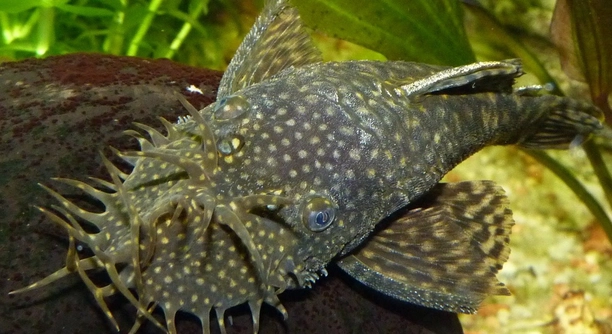
Plecostomus, or “plecos,” are popular aquarium fish known for their algae-eating habits. As a pet owner, you may be curious if these fish can recognize their care routine. Let’s explore this question together.
Research indicates that plecostomus fish do not have the cognitive ability to recognize and remember specific routines. While they may associate feeding times with certain behaviors, their responses are more instinctual than learned recognition of routines.
Understanding how plecos react to their environment can help improve your aquarium care routine. We’ll take a closer look at their behavior and offer tips to create a better habitat for your fish.
How Plecostomus Respond to Their Environment
Plecostomus are creatures of habit when it comes to their environment. They enjoy consistent water conditions, and they often spend their time resting on surfaces like rocks or aquarium decorations. Plecos will react to changes in their environment, like water temperature, tank mates, or the availability of food, but their actions are more a result of instinct than learned behavior. These fish are guided by their natural instincts to seek out food and shelter rather than recognizing a routine.
While they don’t form strong memory connections, plecos will adjust to the regularity of their care routine in ways that seem like recognition. They may start coming out more often at feeding times, but it’s likely because they associate the action of feeding with the physical sensations they experience, like hunger or the vibrations from a human presence near the tank.
Plecos are also sensitive to light and dark cycles. They may become more active during certain parts of the day or night, depending on the time you feed them. Keeping things consistent helps the pleco feel secure, even if they aren’t consciously aware of the routine.
Feeding Habits and Recognition
Feeding times are when plecos seem to show the most noticeable patterns. They don’t remember specific times but can adapt to a regular schedule, which helps their feeding behavior align with what’s expected.
Consistent feeding schedules help maintain the health of your pleco. If you feed your pleco at the same time every day, it will become accustomed to the feeding pattern. While it may not recognize the time of day, your fish will associate your actions, like opening the tank lid or adding food, with being fed. Plecos will often swim to the surface or settle near food sources when it’s time to eat. Even though they may not recognize the specific day or time, the act of feeding triggers their instinct to eat. This makes keeping a routine important, as it ensures your pleco receives the nutrition it needs without overfeeding or underfeeding.
The consistency of your actions is key for a healthy pleco.
The Role of Water Quality in Pleco Behavior
Water quality is crucial for plecos. These fish thrive in stable water conditions, and even small fluctuations can cause stress or behavioral changes. If the water becomes cloudy or the temperature shifts too much, plecos may hide more often or become less active.
Plecos are sensitive to the chemicals in their water, such as ammonia, nitrites, and nitrates. High levels of these chemicals can cause distress, making them sluggish and possibly affecting their feeding behavior. When water is clean and well-maintained, plecos are more likely to be active and visible, especially during feeding times.
Water changes also help plecos stay healthy. Even though they might not recognize the schedule, the routine of regular water changes creates a cleaner and safer environment for them. This, in turn, makes them feel more secure and comfortable in their habitat. If you stick to a schedule, they may become accustomed to the improved water quality, even if they aren’t fully aware of it.
The Impact of Tank Mates
Plecos interact with their tank mates, and their behavior can shift depending on the other fish present. They may become more territorial or hide if they feel threatened by larger or more aggressive species. Plecos are peaceful but can become stressed if their environment feels unsafe.
Introducing new tank mates requires careful consideration. Plecos are bottom dwellers and usually prefer spaces to themselves. If tank mates crowd these areas, plecos may adjust by becoming more reclusive. Over time, they might learn to associate certain behaviors with the presence of specific fish. For instance, if they consistently hide when a particular species is near, they will likely repeat this behavior, though it’s not because they recognize the routine, but due to their instinctive responses to stress.
Regularly monitoring tank interactions can help you manage the balance of peaceful cohabitation. Ensuring your pleco has enough space and hiding spots can keep it from becoming stressed.
Light and Dark Cycles
Plecos are sensitive to light and dark cycles, which affect their activity. They are primarily nocturnal and become more active at night when the lights are off. During the day, they tend to hide in dark, quiet spots in the tank.
Keeping the lights on for too long or changing the light pattern too frequently can cause stress. Consistent light cycles help plecos adjust to a routine, even though they don’t “recognize” it consciously. By providing a steady day-night pattern, you create a more comfortable environment for your pleco to thrive in.
Plecos and Their Feeding Patterns
Plecos develop feeding patterns based on the availability of food. Even if they don’t remember a specific time, their behavior will be guided by the routine of when food is introduced. They often learn to swim to the surface or near food areas, waiting for their next meal.
Over time, plecos might show up at the surface or hide near their food sources as soon as they sense feeding time. Though it’s more about their natural instincts, the repetition of the feeding routine reinforces this behavior. Maintaining a regular schedule will keep your pleco happy and healthy.
Tank Maintenance and Pleco Health
Regular tank maintenance is crucial for keeping your pleco healthy. Cleaning the tank, checking water conditions, and removing excess food help keep the environment stable. Plecos rely on clean surroundings to thrive and feel secure in their habitat.
FAQ
Can a plecostomus recognize its owner?
Plecos do not have the cognitive ability to recognize humans in the way we understand recognition. They are more likely to respond to the vibrations or movements around their tank. They may associate certain activities, like feeding, with human presence, but it’s more about instinct than recognition.
How often should I feed my plecostomus?
Feeding your pleco 2-3 times a week is generally enough, depending on its size and tank conditions. Plecos are bottom feeders and primarily consume algae, but it’s important to supplement their diet with sinking pellets, vegetables, or algae wafers to meet their nutritional needs. Overfeeding can lead to poor water quality, so it’s important to keep their diet balanced.
Why is my plecostomus hiding all the time?
Hiding can be a sign of stress or discomfort. Plecos are nocturnal creatures, so they naturally hide during the day. However, if your pleco is hiding more than usual, check water quality, temperature, or tank mates. Poor conditions or aggression from other fish might cause them to seek shelter more often.
Can a plecostomus live alone?
Yes, plecos can live alone. They are solitary creatures that do not require companionship from other fish. In fact, they can become stressed if they feel crowded by other species. Just make sure they have plenty of space and hiding places in the tank for comfort.
How can I improve the environment for my pleco?
To improve your pleco’s environment, maintain stable water parameters, such as temperature, pH, and hardness. Ensure there are plenty of surfaces for the pleco to graze on, like rocks and driftwood, as they help simulate their natural habitat. A well-maintained filter will also help with water quality.
Can plecos live with other fish?
Plecos can generally live with peaceful fish that do not compete for space or food. It’s important to avoid aggressive species or fish that might harass the pleco, especially since plecos are bottom dwellers and like to have space to themselves. Suitable tank mates include tetras, mollies, and peaceful barbs.
What is the best tank size for a plecostomus?
A plecostomus requires a minimum tank size of 75 gallons, especially if it’s a larger species. They grow to a considerable size and need plenty of swimming space. A larger tank also helps maintain water quality and provides room for proper filtration.
Do plecos need a filter in their tank?
Yes, plecos need a filter to maintain good water quality. While plecos help with algae control, they still produce waste, and a filter is necessary to keep the water clean. Make sure the filter is appropriate for the tank size and can handle the bio-load.
How do I know if my pleco is healthy?
A healthy pleco will have clear eyes, an active appetite, and a smooth, undamaged body. If your pleco is sluggish, losing weight, or showing signs of damage like faded color or sores, it could be a sign of illness. Ensure proper water quality and a balanced diet to maintain good health.
What temperature should I keep my pleco tank at?
Most plecos prefer a water temperature between 74°F and 80°F (23°C to 27°C). Consistency is key, so avoid sudden temperature fluctuations, which can stress your fish. Use a reliable heater to maintain the proper range, especially if the room temperature changes frequently.
Why is my pleco turning brown?
A pleco turning brown could be a sign of stress, illness, or poor water conditions. It might also be a natural color change, especially for certain species of plecos. Ensure your water is clean, the tank is stable, and your pleco has plenty of hiding spots. If the discoloration persists, consider a vet visit.
Can plecos eat human food?
Plecos should not be fed human food, as it may not provide the necessary nutrients and can negatively affect their health. Stick to algae wafers, sinking pellets, and vegetables like zucchini or cucumber. Occasionally offering spinach or peas can help add variety to their diet.
What do plecos eat in the wild?
In the wild, plecos primarily feed on algae, plant matter, and detritus. They are opportunistic feeders and will eat whatever organic matter is available in their environment. They are important algae eaters, especially in freshwater rivers and streams, helping to keep their habitat clean.
How long do plecos live?
Plecos can live up to 10-15 years or more, depending on their species and the quality of care they receive. Regular maintenance, stable water conditions, and a proper diet will help ensure a long, healthy life for your pleco. Some species, especially the larger ones, can even live up to 20 years.
Why is my pleco not eating?
A pleco not eating could be a sign of stress, illness, or poor water quality. Ensure the water parameters are optimal and check for any aggressive tank mates. If the problem persists for more than a couple of days, consider consulting with a veterinarian or fish expert.
Do plecos need a substrate in their tank?
Plecos do not require a substrate to thrive, but they do benefit from it. A sandy or smooth gravel substrate allows them to sift through the bottom of the tank, mimicking their natural feeding behavior. It also provides surfaces for algae growth, which plecos naturally graze on.
Final Thoughts
Plecostomus are unique fish with simple yet important needs that must be met to thrive in an aquarium. While they don’t have the ability to recognize routines or their owners in a human sense, they do respond to consistency in their environment. Regular feeding schedules, stable water conditions, and a steady light-dark cycle help plecos feel comfortable and secure in their habitat. Though they rely mostly on instinct, they will adapt to routines that help them get the right food and a safe environment.
It’s important to understand that plecos, like all fish, need proper tank conditions to stay healthy. A clean tank with balanced water quality is vital for their well-being. Plecos also require hiding spots and surfaces to graze on, which mimic their natural environment. A stable and peaceful community tank is ideal, but it’s essential to be mindful of tank mates. Overcrowding or aggressive species can stress the pleco and cause them to hide more than usual. Keeping the tank environment calm and appropriate will help your pleco feel secure and comfortable.
Although plecos don’t consciously recognize their care routines, they can adapt to the patterns created by their owners. By maintaining a regular schedule and paying attention to their environment, you’ll ensure your pleco’s health and happiness. These fish are relatively low-maintenance but require attention to detail to thrive. Providing a clean, stable environment, consistent feeding habits, and appropriate tank mates will go a long way in keeping your pleco healthy for years to come. With the right care, your pleco can live a long, happy life.

Hello,
If you enjoy the content that we create, please consider saying a "Thank You!" by leaving a tip.
Every little bit helps us continue crafting quality advice that supports the health, happiness, and well-being of pets around the world, for pets of all shapes, sizes, and species.
We really appreciate the kindness and support that you show us!