
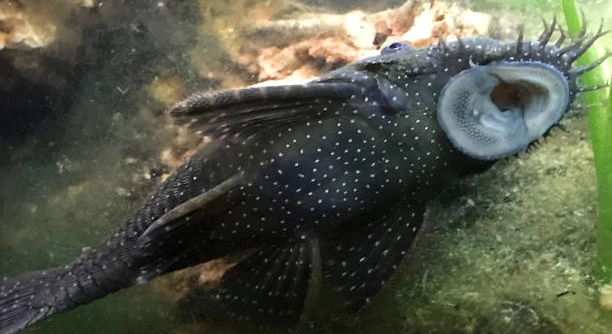
Is your plecostomus spending more time hiding or lying still at the bottom of the tank instead of swimming around as usual?
Sluggish behavior in plecostomus is often caused by poor water quality, lack of oxygen, stress from tank mates, improper diet, unsuitable water temperature, illness, or an undersized tank. Each factor can affect energy levels and overall health.
Learning more about each cause can help you create a better environment for your pleco and improve its well-being.
Poor Water Quality
A common reason your plecostomus might be acting sluggish is poor water quality. Dirty or unbalanced water can quickly lead to stress, illness, and lethargy. Plecos are sensitive to ammonia, nitrites, and nitrates, and they need stable pH and temperature to thrive. Tap water with chlorine or sudden water changes can also impact their energy levels. Overfeeding can lead to leftover food decaying in the tank, making water conditions worse. Regular water testing helps you catch problems early. It’s important to use a good water conditioner and keep filters clean to maintain a healthy and safe tank.
Even if the water looks clear, toxins might still be building up. Plecos are hardy, but poor water conditions over time can drain their energy and lead to long-term health issues.
Staying on top of water changes, testing parameters weekly, and using a reliable filter are key steps to keeping your pleco active and healthy.
Lack of Oxygen
Plecostomus need well-oxygenated water to stay active. When oxygen levels drop, your pleco may appear sluggish or cling to surfaces near the filter output. This often happens in tanks with poor water circulation or high temperatures.
Oxygen can decrease quickly in warmer water, especially during the summer months. Tanks that are heavily stocked or filled with debris can also reduce oxygen exchange. Adding an air stone or adjusting the filter output can help improve flow and oxygenation. Live plants are another good way to boost oxygen levels, especially if they’re suited for your aquarium’s lighting. Make sure your tank isn’t overstocked, as more fish means more waste and more oxygen use. If your pleco often rests in the same spot or breathes heavily, it could be reacting to low oxygen. Creating a more stable and oxygen-rich environment helps support your pleco’s natural behaviors and keeps them moving as they should.
Stress from Tank Mates
Plecostomus can become stressed when housed with aggressive or overly active tank mates. This stress often leads to hiding, sluggish movement, or loss of appetite. Even peaceful fish can cause problems if they crowd the pleco or compete too much for space and food.
Stressful tank dynamics can disrupt a pleco’s natural habits. Fast swimmers may scare them during feeding times, or territorial fish might chase them away from their resting spots. These constant disturbances can weaken their immune system and make them more prone to illness. It’s best to choose tank mates that are calm and share similar needs. Provide hiding spots like caves or driftwood to help your pleco feel secure. When tank mates are well-matched, your pleco will be more likely to stay active and explore the tank more freely.
Always watch for signs of bullying or sudden behavior changes. A peaceful tank helps your pleco thrive. If other fish are nipping fins or crowding your pleco, consider rearranging decor to break line of sight or rehoming aggressive species. Plecos usually do well with calm community fish like tetras, rasboras, or snails. Avoid keeping them with large, territorial cichlids or fin-nipping barbs. A peaceful tank makes a noticeable difference in pleco behavior.
Improper Diet
Plecos need more than just algae to stay healthy. While they do graze on tank surfaces, they also require a balanced diet with vegetables, sinking wafers, and occasional protein. Without proper food, they can grow sluggish and lose weight.
Algae alone doesn’t provide the nutrition a pleco needs. Feeding a varied diet supports energy levels and prevents nutritional gaps. Offer blanched zucchini, cucumber, or peas along with algae wafers a few times a week. Some plecos enjoy the occasional shrimp pellet or bloodworm, especially larger varieties. Remove uneaten food after a few hours to maintain good water quality. Feeding at night when plecos are most active can also make a big difference. Poor diet can lead to health problems, such as weakened fins, dull coloration, and digestive issues. A healthy feeding routine helps your pleco stay active and vibrant over time.
Unsuitable Water Temperature
Plecostomus are sensitive to temperature changes. Water that is too cold or too warm can affect their metabolism, making them sluggish. Most plecos do best in temperatures between 74°F and 80°F, depending on the species. Sudden shifts can stress them or weaken their immune systems.
Always use a reliable heater and thermometer to keep the temperature stable. Avoid placing the tank near windows, vents, or heat sources that can cause fluctuations. Consistency is key when it comes to maintaining your pleco’s energy and comfort in the tank.
Illness or Parasites
If your plecostomus is moving less, hiding more, or breathing heavily, it could be sick. Common illnesses like ich, fin rot, or internal parasites can make them tired or inactive. Look for signs like white spots, frayed fins, bloating, or abnormal swimming. Catching illness early helps prevent serious problems.
Undersized Tank
A small tank can limit your pleco’s movement and cause boredom or stress. Over time, this can lead to sluggish behavior. Most plecos need at least a 75-gallon tank once fully grown, especially the common varieties.
FAQ
Why is my plecostomus not eating?
There could be several reasons why your pleco isn’t eating. Poor water quality, stress from tank mates, or an unsuitable diet can all affect their appetite. If your pleco is hiding or not swimming much, it may be a sign of stress or illness. Ensure your water parameters are stable, and your pleco has a balanced diet with a variety of foods like algae wafers, vegetables, and occasional protein. If the issue persists, consider checking for parasites or other health problems.
How can I tell if my plecostomus is sick?
Signs of illness in plecos include changes in swimming behavior, loss of appetite, abnormal spots or lesions on the skin, frayed fins, and heavy breathing. If your pleco starts spending more time at the bottom of the tank or near the filter, it could be a sign of stress or illness. Look for other symptoms like swelling, clamped fins, or faded coloration. If these symptoms appear, it’s best to isolate the fish in a quarantine tank and consult a vet or specialist for advice.
Can water temperature affect my pleco’s behavior?
Yes, water temperature plays a significant role in the health and behavior of your plecostomus. If the water is too cold, your pleco may become lethargic. Similarly, water that is too warm can cause stress, leading to sluggishness. It’s essential to keep the water temperature between 74°F and 80°F, depending on the species. A sudden change in temperature can be stressful for plecos, so make sure the heater is set correctly, and monitor the tank’s temperature regularly.
Why is my plecostomus hiding all the time?
Hiding is common behavior for plecos, especially during the day when they prefer to rest. However, if your pleco is hiding more than usual or not coming out even at night, it could be due to stress, illness, or unsuitable tank conditions. Check for aggressive tank mates, poor water quality, or signs of illness. Plecos also need hiding spots like caves or driftwood to feel secure, so ensure your tank provides these.
Do plecostomus need a specific diet to stay healthy?
Yes, a pleco’s diet must include a variety of foods to keep it healthy. While they can graze on algae, they need more than that for optimal health. Offering sinking algae wafers, blanched vegetables like zucchini or peas, and occasional protein like shrimp pellets is important. A varied diet supports their energy levels, prevents malnutrition, and promotes overall health. Regular feeding helps your pleco stay active and less sluggish.
How often should I clean my plecostomus tank?
Plecos are messy eaters, and waste can build up quickly. Regular tank maintenance is essential for keeping the environment clean and healthy. You should perform a partial water change of about 25-30% weekly. Clean the filter regularly, and vacuum the substrate to remove debris. This will prevent ammonia spikes and improve water quality, which is crucial for keeping your pleco active.
Why is my pleco swimming upside down?
Swimming upside down is a concerning sign. It could indicate a problem with the swim bladder, which controls buoyancy. Swim bladder issues can arise from infections, constipation, or poor water quality. If your pleco is constantly swimming upside down, check the water parameters and consider isolating it in a quarantine tank for treatment. If the condition doesn’t improve, it’s best to consult a vet.
Can plecos live with other fish?
Plecos are generally peaceful, but they do better with non-aggressive tank mates. Avoid housing them with large or territorial fish like cichlids or fast swimmers that might bully or outcompete the pleco for food. It’s ideal to keep them with smaller, peaceful fish like tetras, rasboras, or other bottom dwellers. Ensuring enough hiding spots and space for everyone can minimize stress and aggression in the tank.
How do I increase oxygen levels in my pleco’s tank?
To boost oxygen levels, ensure your tank has proper water circulation. Adding an air stone or adjusting the filter flow can help. Live plants also contribute to oxygen production, especially if the tank is well-lit. Avoid overcrowding the tank to prevent oxygen depletion, and always maintain a healthy water flow to ensure your pleco has plenty of oxygen to stay active.
What size tank does my plecostomus need?
The size of the tank depends on the type of plecostomus you have. Most common plecos grow large, requiring at least a 75-gallon tank when fully grown. Smaller species may need less space, but they still require room to swim and hide. Overcrowding leads to stress and sluggishness, so always provide enough space for your pleco to move around comfortably.
How can I tell if my plecostomus is stressed?
Stress in plecos can manifest in various ways. If your pleco is hiding more often, swimming erratically, or not eating, it could be stressed. Look for signs like faded coloration, clamped fins, or rapid breathing. Poor water quality, aggressive tank mates, or unsuitable conditions can cause stress. Resolving these issues should help reduce stress and restore your pleco’s energy levels.
Can I keep a plecostomus in a tank with snails?
Yes, plecos can coexist with snails in most cases. Snails and plecos usually don’t compete for the same food, as plecos are primarily bottom dwellers, while snails stay on the substrate or plants. However, be mindful of the snail species, as some can become food for larger plecos. Providing plenty of hiding spots and maintaining a clean tank will help both the pleco and snails thrive.
Why is my pleco losing color?
A pleco losing color could be a sign of stress, illness, or poor water quality. Inadequate lighting or an unbalanced diet can also cause dull coloration. Stress from overcrowded tanks or aggressive tank mates can lead to fading colors. Ensuring proper water conditions and providing a healthy diet can help restore your pleco’s natural hues. If the loss of color persists, it may be time to check for illness.
Final Thoughts
Plecostomus are generally hardy fish, but they can still experience periods of sluggish behavior due to various factors. By understanding the reasons behind this, such as water quality, stress, or diet, you can take steps to improve their environment and overall health. A pleco’s behavior is often a reflection of the conditions in its tank, so it’s essential to monitor water parameters regularly and make necessary adjustments when needed. Paying attention to water temperature, oxygen levels, and potential tank mate stress can go a long way in keeping your pleco active and healthy.
In addition to proper water care, a varied and balanced diet is crucial for maintaining your pleco’s energy. While algae is important for some pleco species, they also require vegetables and occasional protein to stay strong and active. Providing sinking algae wafers, fresh vegetables like zucchini or peas, and even small amounts of protein can make a noticeable difference in your pleco’s behavior. Without the right nutrition, plecos can become sluggish, lose color, and become more prone to illness. So, keeping their diet balanced and varied will help ensure they remain healthy and active.
Lastly, the size and setup of your tank are equally important. Plecos require a decent amount of space to swim and thrive. Overcrowding can lead to stress, and a tank that is too small can limit their movement and cause them to feel cramped. Offering plenty of hiding spots, like caves or driftwood, helps your pleco feel secure and reduce stress levels. By providing an environment that suits their needs, you create the best possible chance for your pleco to stay healthy and active. Always take the time to assess your tank setup, your pleco’s diet, and the water quality regularly to maintain a happy and energetic fish.

Hello,
If you enjoy the content that we create, please consider saying a "Thank You!" by leaving a tip.
Every little bit helps us continue crafting quality advice that supports the health, happiness, and well-being of pets around the world, for pets of all shapes, sizes, and species.
We really appreciate the kindness and support that you show us!