
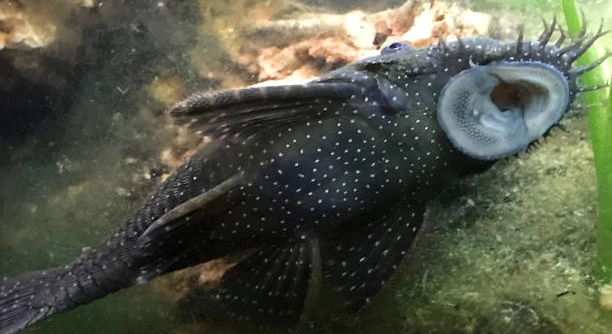
Plecos are fascinating fish with unique care requirements, often leaving their owners wondering how best to feed them. Many fish owners want to know if feeding at night is the right approach for their plecos.
Plecos do not need to be fed only at night. They are nocturnal and may feed during the night, but offering food at different times of the day ensures they receive adequate nutrition. Regular feeding routines are ideal.
Understanding their feeding habits will help ensure that your pleco thrives in its environment and stays healthy. Proper feeding practices are essential for their well-being.
Understanding the Feeding Schedule of Plecos
Plecos are known for being nocturnal creatures, often active during the night. However, feeding them at night is not a strict necessity. They can also be fed during the day. It’s important to note that plecos are bottom dwellers, so they tend to forage for food and consume it during off-peak hours, often when the lights are dimmed or off. Feeding your pleco once or twice a day, including both daytime and nighttime feeding, can mimic their natural habits. This approach allows them to maintain a healthy diet and ensures that they are getting the right amount of food without overfeeding them. Plecos can adjust their eating schedule, making it flexible for their owners. However, it is best to monitor their eating patterns and remove uneaten food promptly to avoid water contamination.
Feeding plecos at regular intervals can also keep them healthier by reducing the chances of overfeeding or underfeeding. Sticking to a schedule creates consistency in their routine and keeps their digestive system working smoothly.
If you want your pleco to thrive, try to offer a mix of vegetables, algae, and pellets. Plecos have different nutritional needs at various life stages. Therefore, offering them a variety of food types ensures they get the necessary vitamins and minerals.
How to Tell If Your Pleco Is Hungry
Plecos may not always show obvious signs of hunger, but there are a few indicators to watch for. If your pleco begins to actively swim around the tank and seems more curious than usual, it may be time for a feeding. When plecos are hungry, they may also start to scavenge the tank for leftover food or algae. Additionally, if you notice that your pleco is becoming more reclusive or not showing interest in its environment, this may signal that it’s not eating enough. However, keep in mind that overfeeding can cause them to become lethargic or even obese, so always be mindful of how much food you provide.
Plecos are opportunistic feeders, meaning they will eat whenever they come across food. But, it’s essential to ensure they are getting enough nourishment without overfeeding. Overfeeding can cause water quality issues and affect your fish’s overall health. Feeding them too much can lead to uneaten food decaying at the bottom of the tank, leading to harmful bacteria growth. It’s best to feed your pleco in small amounts and monitor their response to the food. If they consume it quickly, you can give them more at their next feeding time.
Proper Types of Food for Plecos
Plecos are primarily herbivores, though some species may occasionally consume small amounts of animal protein. They thrive on a diet rich in vegetables and algae. You can offer them sinking algae wafers, zucchini, cucumber, and spinach. These foods provide essential nutrients and help keep their digestive system healthy. Supplementing their diet with occasional protein, such as brine shrimp or bloodworms, can be beneficial but should not be overdone. It’s crucial to provide variety to meet all their nutritional needs.
Feeding plecos high-quality pellets designed for herbivores ensures that they are receiving the proper vitamins and minerals. These pellets should sink to the bottom of the tank to match the pleco’s natural foraging behavior. You can also offer blanched vegetables like peas or carrots to enhance their diet. Plecos tend to nibble on algae or any plant matter in the tank, which can help supplement their food intake. However, always be cautious of plant damage in the aquarium, as overfeeding can lead to algae blooms.
Another important consideration is ensuring the food is appropriate for their size. Younger plecos might require smaller portions or softer foods. Larger plecos may need thicker vegetables or a greater quantity of algae to maintain their health. Monitoring the size and consistency of the food ensures your pleco gets the best nutrition.
The Impact of Lighting on Feeding Habits
Lighting plays a significant role in the feeding habits of plecos. Being nocturnal, they are more active when the tank lights are off or dimmed. This allows them to feed comfortably without the distractions of the daytime. If you feed your pleco during the day, the food may sit untouched, as they are not as active. To match their natural habits, it’s ideal to feed plecos in the evening or when the lights are dim. This encourages them to forage and eat more effectively.
Evening feeding times may also prevent uneaten food from floating around too long. If you feed during the day, excess food could deteriorate before the pleco has a chance to eat it. Additionally, reducing light exposure during feeding allows plecos to feel more secure and act naturally. Over time, this feeding schedule can help you establish a healthy routine, ensuring your pleco gets the right amount of nutrition.
Lighting doesn’t only affect their eating but also their overall well-being. Excessive bright light can stress plecos, leading them to hide more often and eat less. Understanding the balance between light and darkness is important for maintaining a stress-free environment for your fish.
The Role of Tank Size in Feeding
The size of your pleco’s tank affects how often and how much food it needs. A larger tank provides more space for the pleco to explore, graze, and forage, leading to a more natural feeding pattern. Smaller tanks may limit the food available, requiring more attention to their feeding schedule.
In a larger tank, plecos can find natural food sources such as algae, which may reduce the amount of supplemental feeding required. Smaller tanks may need regular feeding to ensure they have enough food. It’s important to adjust feeding amounts based on tank size to prevent overfeeding.
Tankmates and Their Feeding Impact
Tankmates can influence your pleco’s eating habits. If there are more aggressive fish in the tank, your pleco may feel less comfortable feeding and may not eat as much. It’s important to ensure that other fish do not steal the pleco’s food. In a peaceful tank, plecos tend to be more confident in eating.
When keeping plecos with other fish, make sure to provide enough food for everyone. Consider feeding plecos separately or during different times to ensure they get their fair share. Some tankmates, such as cichlids, may eat food meant for plecos, leading to competition.
Adjusting Feeding Based on Pleco Size
The size of your pleco should be considered when adjusting the amount of food offered. Larger plecos need more food than smaller ones, and they may require larger vegetables or more pellets to stay healthy. Monitor their growth and adjust their diet accordingly to avoid underfeeding or overfeeding.
FAQ
How often should I feed my pleco?
Plecos typically need to be fed once or twice a day, but this depends on the species and size. Young plecos may require more frequent feeding to support growth, while adult plecos may do well with a more spaced-out feeding schedule. It’s important to not overfeed, as excess food can lead to water quality issues. Keep an eye on how much your pleco eats and adjust feeding times accordingly.
Can plecos eat only algae?
While plecos primarily feed on algae, they also require a variety of other foods to ensure a balanced diet. They can eat vegetables like zucchini, cucumber, and spinach, and they also benefit from pellets specifically designed for herbivores. In some cases, they may need occasional protein, like brine shrimp or bloodworms, but this should not be the main part of their diet.
What if my pleco doesn’t eat at night?
If your pleco isn’t eating at night, it could be due to several factors. Perhaps the water temperature isn’t ideal, or there are too many aggressive tankmates vying for food. Ensure that the tank environment is suitable for your pleco, and make sure there’s enough food in an area where the pleco feels comfortable to eat. It’s also helpful to feed your pleco during the day, especially if they are not responding to nighttime feeding.
Should I remove uneaten food after feeding?
Yes, removing uneaten food is crucial to maintaining water quality in the tank. Leftover food can break down and increase harmful levels of ammonia and nitrate, which can harm your pleco and other fish. Use a fish net or vacuum to clean up after feeding and ensure the tank stays clean.
Can plecos eat meat-based foods?
Plecos are primarily herbivores, but some species may occasionally consume small amounts of animal protein. It’s important to focus on a plant-based diet, but offering small portions of protein, like bloodworms or brine shrimp, every now and then can help with overall health. Overfeeding animal protein can cause digestive issues, so it should be limited.
What vegetables are best for feeding plecos?
Plecos enjoy a variety of vegetables, including zucchini, cucumber, and spinach. You can also feed them peas, lettuce, or sweet potato. Be sure to blanch the vegetables (boiling them briefly) to make them softer and easier for the pleco to eat. Avoid feeding them vegetables that are high in starch, like potatoes, as this can cause digestive issues.
How do I know if I’m overfeeding my pleco?
Overfeeding can lead to several signs, such as uneaten food floating in the tank, cloudy water, or an increase in algae growth. Additionally, if your pleco becomes lethargic or develops signs of obesity, it could indicate that they are being fed too much. Monitor their eating habits and adjust portion sizes accordingly to avoid overfeeding.
Can I feed plecos during the day?
Yes, you can feed plecos during the day. While they are nocturnal and more active at night, many plecos will still eat during the day, especially if there is food available when they are active. You can experiment with feeding them during both day and night to see what works best for your pleco’s feeding habits.
What is the best type of food for plecos?
The best food for plecos is one that mimics their natural diet. High-quality sinking algae wafers, blanched vegetables, and specially formulated pleco pellets are ideal. It’s important to provide a variety of foods to ensure they receive a well-rounded diet that includes essential vitamins, minerals, and fiber.
How do I feed my pleco if I have other fish?
If you have other fish in the tank, consider feeding your pleco at a separate time or in a different area to ensure it gets its fair share of food. You can also use a feeding ring or a sinking food dish to give your pleco exclusive access to food. Be mindful of the other fish that may try to steal food meant for your pleco.
How much should I feed my pleco?
The amount of food you should feed your pleco depends on its size and age. A general rule is to feed them only what they can consume within 2-3 hours, ensuring there is no leftover food. For larger plecos, you may need to provide more food, such as a larger portion of vegetables or pellets, to meet their dietary needs.
Why isn’t my pleco eating?
There are several reasons why a pleco may not eat. It could be due to poor water quality, stress, or an improper diet. Check the water parameters to ensure they are within the appropriate range for your pleco. It’s also possible that the tank environment is not comfortable for the pleco, causing it to be hesitant about eating. Make sure the food you offer is appropriate and accessible for your pleco.
Is it okay to feed plecos just algae wafers?
While algae wafers are an excellent food source for plecos, relying on them exclusively is not recommended. A variety of foods should be offered to ensure your pleco gets a balanced diet. Adding fresh vegetables like zucchini or spinach can supplement the nutrients in the algae wafers, ensuring your pleco’s health and well-being.
Can plecos eat driftwood?
Driftwood is an important part of a pleco’s diet, especially for species like the Bristlenose Pleco. They often graze on the wood, which provides fiber to aid digestion. It also helps simulate a more natural habitat, offering hiding spots and a surface for algae growth. However, driftwood should not replace their primary food source, but it can be a beneficial addition to their environment.
How do I avoid overfeeding my pleco?
Overfeeding can be avoided by carefully monitoring the amount of food you offer. Only feed as much as your pleco can consume within a few hours. If food is left over, it’s a sign that you’re giving too much. Stick to a regular feeding schedule and avoid the temptation to feed more than necessary.
Can I feed plecos once a day?
Feeding plecos once a day is usually fine, especially for adult plecos. Younger plecos may require more frequent feedings to support their growth. It’s important to adjust the feeding schedule based on their size and age. Always keep track of how much food they consume to avoid overfeeding.
What type of pleco food is healthiest?
The healthiest pleco food is one that closely resembles their natural diet. High-quality algae wafers and pellets made specifically for plecos are a great option. Additionally, incorporating fresh vegetables like zucchini, cucumber, and spinach will provide essential nutrients. A varied diet ensures that your pleco stays healthy and well-nourished.
Final Thoughts
Feeding a pleco may seem straightforward, but understanding their needs is essential for maintaining their health and well-being. Plecos are primarily herbivores, which means their diet should mainly consist of vegetables and algae. However, they also require supplemental foods like specially formulated pellets to ensure they get all the necessary nutrients. It’s important to provide a balanced diet to avoid underfeeding or overfeeding, as both can lead to health issues. Always monitor how much food your pleco eats, and adjust accordingly. A clean tank with no leftover food is crucial to maintaining water quality and preventing problems like algae blooms or harmful chemical buildup.
In addition to food, other factors like tank size, water quality, and tankmates play a significant role in your pleco’s feeding habits. Larger tanks with good water circulation give plecos the space they need to graze naturally, while smaller tanks may require more careful feeding. Keep an eye on the tankmates as well, since more aggressive fish can make it difficult for plecos to eat. By ensuring a peaceful and well-maintained environment, your pleco can thrive and enjoy their meals without stress. Keeping a routine feeding schedule will also help, as plecos tend to feel more comfortable when they know when and where their food will be available.
Overall, caring for a pleco requires attention to detail, but it is not complicated once you understand their basic needs. A healthy pleco is not only beneficial for your aquarium’s ecosystem, but they also add a unique charm with their peaceful nature and algae-cleaning habits. By providing the right food, environment, and care, you can ensure that your pleco lives a long and healthy life. Always remember that a balanced approach to feeding and tank maintenance is the key to success. Keeping your pleco’s diet varied, checking water conditions regularly, and monitoring their behavior will go a long way in keeping them happy and healthy.

Hello,
If you enjoy the content that we create, please consider saying a "Thank You!" by leaving a tip.
Every little bit helps us continue crafting quality advice that supports the health, happiness, and well-being of pets around the world, for pets of all shapes, sizes, and species.
We really appreciate the kindness and support that you show us!