
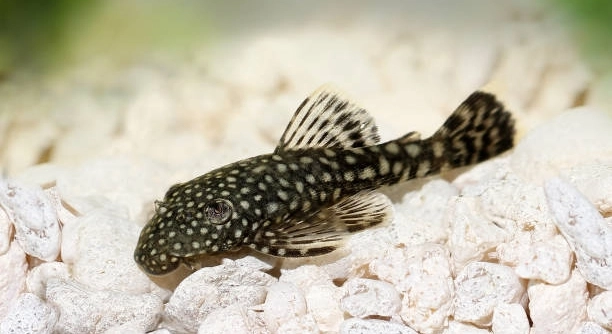
Have you ever watched your plecostomus glide along the tank and wondered if you could gently touch it with your hand? Many fishkeepers are curious about handling their aquarium pets and what effects this might have.
It is generally safe to touch a plecostomus briefly with clean, wet hands, but unnecessary handling should be avoided. Their protective slime coat can be damaged by excessive contact, increasing their risk of stress, infection, and injury.
Understanding when and how to interact with your plecostomus will help you care for it properly while maintaining a peaceful, healthy tank.
Why You Should Limit Touching Your Plecostomus
Plecostomus are peaceful, bottom-dwelling fish with sensitive bodies. Although they may tolerate brief contact, touching them too often can do more harm than good. Their bodies are protected by a delicate slime coat that helps shield them from bacteria and injury. When you touch them, especially with dry or unclean hands, this layer can be compromised. Even when your hands are wet and clean, repeated interaction is not ideal. These fish are not naturally accustomed to physical contact like some other pets. They can become stressed, hide more frequently, or stop eating altogether. Some plecos also have sharp spines on their fins that could injure you or catch on your skin or clothing. It’s best to only make contact if absolutely necessary, such as during tank transfers or health checks, and even then, with care and calmness.
Limiting physical interaction helps reduce stress and supports the overall health of your plecostomus long-term.
Observing your plecostomus from a distance allows it to remain calm and behave more naturally. This also helps you notice changes in behavior or health without interrupting its space or routine.
How to Handle Your Plecostomus Safely
If you must handle your plecostomus, use clean, wet hands or a soft net. Never grab or squeeze the fish directly.
During rare moments where handling is required—like moving it to another tank—it’s important to take a slow, careful approach. First, reduce the fish’s stress by dimming the tank lights. Avoid chasing the pleco; instead, guide it gently using a soft net or container. If your hands must be involved, ensure they are free of soap, lotion, or residue. Always wet your hands before contact to avoid damaging its protective slime coat. Support the fish’s body from underneath if you need to lift it briefly. Never hold it tightly or apply pressure, especially around the head and belly. After handling, monitor your plecostomus for any signs of stress or injury. Watch for erratic swimming, changes in appetite, or unusual spots on its skin. Reducing handling to only what is necessary is the best way to keep your fish safe and healthy.
Risks of Touching a Plecostomus
Touching a plecostomus can cause both physical and emotional stress. Their slime coat may become damaged, leaving them more vulnerable to disease. Stress can also weaken their immune system, making recovery from injuries or infections much harder.
When a plecostomus is stressed, it may stop eating or hide constantly, which are early warning signs of declining health. Physical contact can also introduce bacteria or chemicals from your skin into their system. Even if you think your hands are clean, trace elements like soap or lotion can cause irritation. In addition, sudden movement while being touched may lead to injuries such as fin tears or scrapes against tank decorations. For plecos with spines, trying to handle them can result in damage to their fins or even injure your hand. Keeping them safe means respecting their space and recognizing that they are not meant to be handled like other pets.
The risks aren’t always immediately visible. A fish that seems fine after handling might develop issues later, including skin infections, behavioral changes, or slowed growth. Plecos rely on routine and stable conditions to thrive. Disrupting their environment—even briefly—can interrupt feeding habits, trigger hiding behaviors, or disturb their nighttime routines. Over time, this adds unnecessary strain to their overall health.
Signs Your Plecostomus Is Stressed
Stress is usually easy to spot once you know what to look for. Common signs include rapid breathing, reduced appetite, constant hiding, and color changes. A pleco under stress might also cling tightly to one surface and avoid movement.
Unusual behaviors are often the first signs that something’s wrong. If your plecostomus suddenly stops eating or hides more than usual, it’s important to take a closer look. Rapid gill movement, erratic swimming, or hanging near the surface are all signs of discomfort. These changes can be linked to environmental issues, but unnecessary handling often plays a role. Physical contact disrupts their sense of security, and some plecos may take several days to return to normal behavior. You may also notice pale patches or damaged fins, which could mean their slime coat has been affected. If you spot any of these signs after touching your plecostomus, give it time to rest, avoid further interaction, and check the tank conditions.
When It’s Okay to Touch a Plecostomus
Touching a plecostomus is only acceptable during tank maintenance or when health issues require close inspection. In these cases, limit contact as much as possible and use clean, wet hands or a soft net.
Avoid touching them out of curiosity or habit. Even brief, unnecessary contact can cause stress and damage their protective layer. Respecting their space is the best way to keep them calm and healthy.
Cleaning Around a Plecostomus Safely
When cleaning the tank, move slowly and avoid direct interaction. Use tools like algae scrapers or gravel vacuums to clean around them without contact. If your pleco is in the way, gently guide it aside with water flow or wait for it to move. Sudden movements can alarm them, especially during the day when they prefer resting. Try to do maintenance during the evening when they’re more active. Always check your water parameters after cleaning, since changes can also trigger stress. Keeping the tank clean while minimizing disruption helps your plecostomus feel more secure.
Final Thoughts on Touching
It’s best to admire your plecostomus without touching it. Letting it live undisturbed will keep it healthier, calmer, and easier to care for.
FAQ
Can I touch my plecostomus to clean it?
While cleaning your plecostomus or its tank, it is better to avoid direct contact. If cleaning around your pleco, use tools like a net or algae scraper instead of your hands. If it’s necessary to touch, make sure your hands are clean and wet to prevent removing its protective slime coat. Prolonged or frequent touching can cause stress and health issues for the plecostomus, so keep interactions to a minimum.
Is it okay to touch my plecostomus if it seems comfortable?
Even if your plecostomus appears comfortable, it’s still best to avoid touching it. Fish can be sensitive, and what may seem like calm behavior could mask underlying stress. Handling plecos too much can still affect their health over time, even if they don’t show immediate signs of discomfort. Their slime coat, which protects them from infections, is vulnerable to being wiped off by your skin. This is a delicate aspect of their biology, and once damaged, it’s hard to restore.
Why do plecostomus hide when I try to touch them?
Plecostomus are naturally shy and prefer to stay out of sight. Hiding is a protective response to perceived threats. If your pleco is hiding when you attempt to touch it, it’s likely trying to avoid stress or harm. This behavior is typical, especially when fish feel disturbed or threatened. It’s important to respect these instincts and avoid forcing interaction. Let your plecostomus approach you on its own terms, if at all.
How can I tell if my plecostomus is stressed?
Common signs of stress in plecostomus include erratic swimming, rapid gill movement, hiding more often, and loss of appetite. You may also notice that their color fades or that they become more aggressive towards tank mates. If your pleco stops eating or behaves differently than usual, it might be a sign of stress, which can result from both physical and environmental factors. Regular handling, poor water quality, or overcrowding can all contribute to these behaviors.
Can I handle a plecostomus to remove it from the tank for medical reasons?
If your plecostomus requires medical attention, handling should be done with extreme care. In such cases, use a soft net to transfer the fish instead of handling it directly. Wet your hands thoroughly before any interaction and avoid squeezing or gripping it. Afterward, minimize stress by returning it gently to its original habitat. Be mindful of the fish’s physical state and avoid handling it unless absolutely necessary, as even a small amount of stress can hinder the healing process.
Should I touch my plecostomus if it has wounds?
No, it is best to avoid touching your plecostomus if it has any visible injuries. When a pleco is hurt, its slime coat is compromised, making it more susceptible to infection. Handling an injured fish can worsen the condition and expose it to harmful bacteria. If your pleco has wounds, consider using a fish-safe treatment or consulting an aquarium professional before handling the fish. Allow the plecostomus to heal in a calm environment, and only move it if absolutely necessary for its care.
What should I do if my plecostomus keeps hiding?
If your plecostomus is hiding more often, check the water quality and tank conditions. Poor water parameters, such as high ammonia levels, low oxygen, or incorrect temperature, can cause plecos to seek hiding spots for safety. Ensure the tank has plenty of hiding places, but avoid overcrowding. Also, check for any signs of illness or injury, as these can lead to hiding behaviors. In some cases, plecos may hide more often when stressed by over-handling or changes in their environment.
How often should I clean my plecostomus tank?
A plecostomus tank should be cleaned regularly to maintain healthy water quality. Typically, a 25-30% water change every week is recommended. Use a gravel vacuum to remove debris from the substrate and an algae scraper to clean surfaces. While cleaning, avoid disturbing the plecostomus too much to minimize stress. Check the water parameters after each cleaning to ensure the tank remains within optimal ranges for your pleco. Keeping the environment stable is essential for preventing health issues caused by poor water conditions.
Can a plecostomus get stressed by other fish in the tank?
Yes, plecostomus can get stressed by aggressive or overly active tank mates. They are generally peaceful fish and prefer a calm, stable environment. Tank mates that compete for food, territory, or space can create a stressful atmosphere. It’s important to select tank mates carefully and ensure that the plecostomus has plenty of hiding spots and room to swim. If your pleco starts showing signs of stress, consider removing aggressive fish or adding more cover to the tank.
Can I touch my plecostomus after a water change?
After a water change, it’s still best to avoid touching your plecostomus unless necessary. While fresh water may feel like an improvement, plecos can still be sensitive to sudden changes in their environment, including water temperature and quality. Handling the fish right after a water change may cause additional stress and disrupt its adjustment to the new conditions. Let your plecostomus settle into the freshly cleaned water before interacting with it again.
Do plecostomus need to be handled regularly for maintenance?
Plecostomus do not need to be handled regularly for maintenance. In fact, frequent handling should be avoided to reduce stress. Regular tank maintenance, like water changes and cleaning, can be done without directly touching the pleco. It’s enough to check on the plecostomus’ health by observing its behavior. Only handle it if it’s necessary for medical care or moving it for tank cleaning.
Final Thoughts
Handling a plecostomus is generally unnecessary and should be avoided unless it’s absolutely required for their health or tank maintenance. These fish are sensitive to stress, and even brief contact can disrupt their natural behaviors. Keeping your plecostomus in a calm, stable environment is essential to their overall well-being. Touching them frequently can strip away their protective slime coat, which can make them more susceptible to infections. It’s important to let them move freely in their habitat without disturbance, allowing them to thrive in a stress-free environment.
While it can be tempting to interact with your plecostomus, respecting their space is the best choice. These fish are naturally shy and prefer to hide, especially when feeling threatened. Their natural behaviors should be observed rather than disturbed. Providing plenty of hiding spots and creating a comfortable tank environment allows the plecostomus to feel safe. They can thrive in their own space without the need for direct handling, and observing them from a distance can still provide a sense of connection to their life in the aquarium.
In summary, while plecostomus are hardy fish, they should not be regularly handled. Doing so can lead to stress, skin damage, and other health issues. It’s always best to avoid touching them unless it’s necessary for their care. By maintaining proper water quality, offering appropriate tank mates, and respecting their boundaries, you will ensure your plecostomus stays healthy and happy. With minimal interaction, your pleco will have a much better chance of thriving in your aquarium for years to come.

Hello,
If you enjoy the content that we create, please consider saying a "Thank You!" by leaving a tip.
Every little bit helps us continue crafting quality advice that supports the health, happiness, and well-being of pets around the world, for pets of all shapes, sizes, and species.
We really appreciate the kindness and support that you show us!