
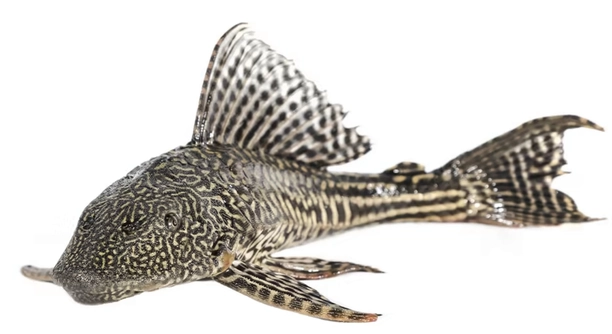
Calcium deficiency can be a serious issue for Plecostomus, affecting their health and behavior. As an aquarium owner, it’s important to recognize the signs early to ensure they thrive in your care.
Calcium deficiency in Plecostomus leads to weakened bones, poor growth, and various other health issues. Common signs include changes in behavior, physical appearance, and abnormal movement patterns that can indicate a lack of this essential nutrient.
Recognizing these early signs will help you take steps to correct the imbalance and prevent further harm to your fish. Let’s explore the key symptoms to watch for.
1. Swelling or Bloating in the Body
When a Plecostomus suffers from calcium deficiency, it can lead to swelling or bloating, especially around their abdomen. This is a result of the weakened bones and soft tissue, which causes the fish to look unusually puffy. It’s important to monitor the fish closely for changes in shape or size. If you notice an increase in body volume that doesn’t seem normal, it might be due to calcium-related issues. Swelling can also cause difficulty in swimming, as the fish might struggle to move properly.
The swelling can occur gradually, and it may not always be obvious right away. Keep an eye on their overall health, especially if you notice other symptoms alongside bloating.
If calcium deficiency continues untreated, swelling could become more severe and affect the fish’s ability to function normally. Without intervention, this condition can lead to other complications like difficulty feeding and even long-term damage to their skeletal system.
2. Lethargy and Unusual Behavior
A noticeable sign of calcium deficiency is a sudden drop in activity levels. When calcium levels are too low, your Plecostomus may seem uninterested in swimming or exploring. Instead, they might sit at the bottom of the tank or hide in corners. This lack of energy and sluggish behavior is a red flag.
Calcium is necessary for muscle function, and when it’s lacking, the Plecostomus struggles to perform its usual activities. Over time, this can lead to other health problems like poor appetite or disinterest in social interactions.
If you see your Plecostomus staying still for long periods or swimming slowly, it could be a sign they need calcium supplementation. Regularly checking their behavior can help you catch these signs early, leading to more effective treatment.
3. Abnormal Swimming Patterns
When a Plecostomus is deficient in calcium, their movement can become irregular. You may notice them swimming in circles, wobbling, or struggling to maintain balance. These strange swimming patterns happen because their muscles and bones are not functioning properly. Calcium helps with proper muscle contraction, so without it, the fish’s swimming behavior can be severely affected.
The abnormal swimming patterns might not be immediately obvious, but over time, the fish will show signs of weakness. If you observe your Plecostomus veering off course or swimming in a disjointed manner, it’s a strong indicator that something is wrong. As their muscles weaken, they’ll have difficulty coordinating their movements.
In some cases, calcium deficiency can lead to the fish drifting along the bottom of the tank or having trouble rising to the surface. These movements reflect how the lack of calcium is taking a toll on their motor skills. Correcting the imbalance can help restore more natural behavior.
4. Soft or Deformed Scales
Calcium plays a key role in maintaining the structure and strength of a Plecostomus’ body, especially their scales. If calcium levels are low, you may start to notice that their scales appear soft or are starting to deform. Deformed or missing scales can lead to further vulnerability to disease and stress. This issue is a clear sign of an ongoing deficiency.
A calcium-deficient Plecostomus may lose scales more easily, which compromises their protective outer layer. Without the proper minerals, the scales can’t grow or regenerate as they should. Over time, the fish may become more susceptible to external damage, like cuts or abrasions from tank decorations or other fish.
If your Plecostomus is losing scales, it’s important to act quickly. The lack of strong, healthy scales can lead to more serious issues, like infections. Ensure their tank environment is suitable and introduce proper calcium supplements to improve their condition. Proper care and treatment can stop further damage to the fish’s skin.
5. Poor Growth and Stunted Development
A calcium deficiency often leads to slower growth or stunted development in Plecostomus. Their bodies may not grow as expected, and they might seem smaller than usual. This is due to the lack of calcium, which is essential for bone development and overall health.
When calcium levels are too low, the fish’s body struggles to build strong bones and tissue. Without enough calcium, the Plecostomus might not reach its full potential size. This poor growth can also affect their appearance, with smaller, weaker fins or body structure.
If you notice your Plecostomus not growing as expected or appearing underdeveloped, it’s crucial to address the calcium deficiency as soon as possible. By providing proper supplements, you can help restore healthy growth and improve overall development.
6. Hollow or Sunken Eyes
Hollow or sunken eyes can be a sign of calcium deficiency in Plecostomus. As calcium supports the health of bones and tissues, a lack of it can lead to changes in the eye structure. Over time, the eyes may appear sunken or recessed in the fish’s head.
This condition usually occurs after prolonged calcium imbalance. It’s a visible sign that the fish’s overall health is deteriorating. If this is noticed alongside other symptoms like lethargy or scale issues, the calcium deficiency has likely reached a critical stage.
Providing calcium-rich foods or supplements can help prevent further damage. Regular monitoring of your Plecostomus will help ensure their eyes remain clear and healthy. Immediate action can stop the progression of this issue.
FAQ
What causes calcium deficiency in Plecostomus?
Calcium deficiency in Plecostomus is mainly caused by an inadequate diet or poor water conditions. In the wild, these fish consume algae, plant matter, and small invertebrates, all of which provide essential minerals like calcium. However, in captivity, they may not get enough of these nutrients from commercial fish food alone. Lack of calcium in the water can also play a role. If your aquarium’s water chemistry is off, it can affect the fish’s ability to absorb calcium. Over time, poor nutrition and water quality can lead to a deficiency.
How can I prevent calcium deficiency in Plecostomus?
The best way to prevent calcium deficiency is by providing a balanced diet and maintaining proper water quality. Offer a variety of foods that contain calcium, like blanched vegetables (spinach, kale) and algae-based foods. Additionally, ensure your tank has appropriate mineral levels by using supplements and performing regular water changes. Regular testing of water hardness (GH) and calcium levels will help you spot any imbalances early. Keeping a consistent feeding schedule and ensuring your Plecostomus is eating enough will help prevent calcium deficiency.
How can I treat calcium deficiency in my Plecostomus?
To treat calcium deficiency, you should first improve your Plecostomus’s diet by introducing calcium-rich foods. Commercial fish food enriched with calcium is available, but supplementing their diet with vegetables and algae will provide a natural source of calcium. Additionally, you may need to adjust the water conditions by adding calcium supplements to the tank. Consider adding calcium-rich substrates or using a water conditioner that contains calcium. Monitoring the water’s pH and hardness levels can also prevent further imbalances. If your fish is severely affected, it might be necessary to consult a vet for additional treatment.
What are the signs that my Plecostomus needs more calcium?
Signs that your Plecostomus may need more calcium include lethargy, poor growth, abnormal swimming patterns, and deformities in their body or scales. You may also notice a decrease in their appetite or changes in the structure of their fins and bones. If these symptoms persist, calcium deficiency is likely the cause. The best way to confirm this is by improving their diet and adjusting the water conditions. If the symptoms don’t improve after dietary changes, you may need to test the water’s mineral content or consult an expert.
Can too much calcium harm my Plecostomus?
While calcium is essential, too much of it can also cause problems. Over-supplementing calcium can lead to calcium buildup in the aquarium, affecting water quality and potentially harming your Plecostomus. Excess calcium can cause kidney damage and interfere with normal body function. It can also lead to water hardness levels that are too high, which can stress your fish. It’s important to find a balance and avoid over-supplementing. Regular testing of water parameters, such as hardness and pH, is key to ensuring a healthy environment for your Plecostomus.
What are some good sources of calcium for my Plecostomus?
Calcium-rich foods like algae, spinach, kale, and calcium-enriched fish food are excellent sources for your Plecostomus. You can also add crushed coral or cuttlebone to the tank to provide a slow release of calcium. Certain types of aquarium-safe rock can help maintain calcium levels in the water naturally. If you are using supplements, be sure to follow the instructions carefully to avoid over-dosing. Adding variety to their diet ensures they receive a good mix of nutrients and helps them stay healthy overall.
How often should I add calcium supplements to the tank?
Calcium supplements should be added to the tank based on the water testing results. If your tank’s water hardness (GH) is low or you’ve confirmed a calcium deficiency, adding supplements once a week is usually sufficient. For fish that are already showing signs of deficiency, you may need to add supplements more frequently, but always in moderation. Keep track of the water’s calcium levels and adjust the frequency of supplementation accordingly. Regular water changes can also help maintain a stable calcium level without overloading the tank.
Can calcium supplements harm other fish in the tank?
Calcium supplements, when used properly, should not harm other fish in the tank. However, if added in excess, they can affect the water’s overall hardness, which may stress sensitive species. Some fish are more sensitive to changes in water chemistry than others. It’s important to monitor the water quality regularly and ensure that all species in your tank can tolerate the water conditions. If you have multiple species, especially soft-water fish, it’s a good idea to use a calcium supplement that is specifically designed for aquarium use and follow the manufacturer’s guidelines.
Can water hardness affect calcium absorption in Plecostomus?
Yes, water hardness directly affects calcium absorption in Plecostomus. Hard water, which contains higher levels of calcium and magnesium, can help provide the necessary minerals for the fish. In soft water, where mineral levels are low, calcium absorption becomes more difficult. To prevent deficiency, it’s essential to maintain appropriate water hardness levels. If you have soft water, consider adding minerals or calcium supplements to help your Plecostomus absorb calcium more effectively. Regular water testing is the best way to ensure your tank is within the optimal range for calcium absorption.
What is the best water temperature for calcium absorption in Plecostomus?
The best water temperature for Plecostomus is typically between 74°F and 80°F (23°C to 27°C). Keeping the water within this range supports optimal metabolism and calcium absorption. Water that is too cold can slow down digestion and nutrient uptake, including calcium. On the other hand, water that’s too hot can stress your fish, making it harder for them to absorb nutrients properly. Maintaining a stable, comfortable water temperature ensures your Plecostomus can effectively utilize calcium and other essential nutrients.
Final Thoughts
Calcium deficiency in Plecostomus is a serious concern, but it’s also preventable and treatable. By keeping an eye on your fish’s health and making adjustments to their diet and tank conditions, you can help them stay strong and healthy. Calcium is a vital nutrient for their bone development, muscle function, and overall well-being. Without it, your Plecostomus can face a range of issues that will affect their growth, behavior, and even their survival. Fortunately, many of these problems can be avoided with proper care and attention.
Providing a balanced diet that includes calcium-rich foods like algae, vegetables, and specially designed fish food is one of the best ways to prevent deficiencies. It’s important to remember that aquarium water conditions also play a big role. Regular water tests to monitor calcium and hardness levels are essential. If the water lacks calcium, using appropriate supplements or adding calcium-rich decorations can help. Ensuring a stable environment, with the right temperature and water chemistry, is key to supporting your Plecostomus’s health. Keeping their environment as natural as possible will ensure they have the best chance to thrive.
In conclusion, while calcium deficiency is common, it’s not something you need to fear if you know the signs and take action early. Adjusting their diet and water conditions can quickly remedy most issues, helping your Plecostomus return to a healthy state. Regular monitoring and a bit of care go a long way. If problems persist, don’t hesitate to seek professional advice from a veterinarian to ensure your fish’s health. With proper calcium intake and a well-maintained environment, your Plecostomus will have the support they need to thrive in their home.

Hello,
If you enjoy the content that we create, please consider saying a "Thank You!" by leaving a tip.
Every little bit helps us continue crafting quality advice that supports the health, happiness, and well-being of pets around the world, for pets of all shapes, sizes, and species.
We really appreciate the kindness and support that you show us!