
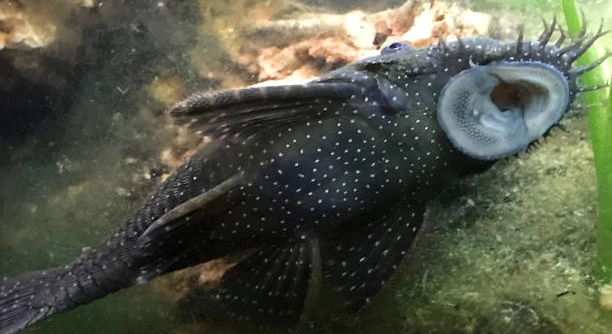
Plecos are popular aquarium fish known for their algae-eating habits. If you own one, you may have wondered what type of filter works best for their health and the overall cleanliness of your tank.
The best filter for plecos is one that provides strong water flow and effective mechanical, biological, and chemical filtration. Hang-on-back (HOB) filters, canister filters, or sponge filters are all good choices, depending on tank size and pleco species.
Choosing the right filter helps maintain a clean, healthy environment for your pleco. Understanding how each filter works will help ensure your fish thrive in its habitat.
Understanding the Importance of Filtration for Plecos
Filters are essential for keeping your pleco’s environment clean and healthy. They remove debris, maintain water quality, and promote oxygen circulation. Plecos are messy eaters, often creating a lot of waste, so a good filtration system ensures your tank stays clear. Without proper filtration, harmful substances like ammonia and nitrites can build up, making the water toxic for your fish. Additionally, plecos need a well-oxygenated environment to thrive. A filter that ensures water flow while keeping it clean will contribute to a more stable environment. This allows your pleco to stay healthy and active.
The filter you choose should also be able to handle the size of your tank. A filter that’s too weak may not effectively clean the water, while one that’s too strong could create too much current, which may stress your pleco.
Choosing the right filter depends on the type of pleco you have and the setup of your tank. Larger tanks need more powerful filters. Some plecos are also more sensitive to water movement, so adjusting flow rates can be important.
Types of Filters for Plecos
There are different types of filters available for pleco tanks, each with its strengths. The most common options include canister filters, hang-on-back (HOB) filters, and sponge filters. Each of these types has benefits depending on your tank setup and pleco’s needs.
Canister filters are excellent for large tanks, providing powerful filtration that covers mechanical, biological, and chemical needs. They also offer customization with various filter media. HOB filters are perfect for smaller tanks or when space is limited. They provide great filtration and are easy to maintain. Sponge filters are gentle and provide aeration, making them ideal for plecos that prefer calmer waters.
It’s important to consider the specific needs of your pleco before deciding. Plecos like a consistent water flow but don’t enjoy excessive turbulence. Thus, a filter that creates moderate currents while cleaning the water well will be ideal.
Water Flow Considerations
Plecos need a filter that provides a steady flow of water without creating strong currents. This is especially important for species that prefer calmer waters, such as the commonly kept Bristlenose plecos. If the water flow is too strong, it may stress your pleco.
Filters with adjustable flow rates are ideal because they allow you to customize the current based on your pleco’s needs. Too much movement can make your pleco feel uneasy and may limit its ability to graze on algae. On the other hand, insufficient flow can lead to dirty water, creating an unhealthy environment.
Finding the right balance is key. For larger tanks or active plecos, moderate flow is often the best choice. In tanks with multiple fish, ensuring the flow is gentle yet efficient helps maintain a stable habitat for everyone in the tank.
Maintenance and Cleaning
Filters require regular cleaning to continue working efficiently. Over time, dirt and debris can clog the filter media, reducing its effectiveness. Regular cleaning of your filter ensures that it continues to provide optimal filtration for your pleco.
For best results, clean your filter at least once a month. You should remove and rinse the filter media, ensuring no buildup of harmful bacteria or waste. Be careful not to clean everything at once, as you don’t want to disrupt the beneficial bacteria that help keep the tank’s water safe. Regular maintenance extends the life of the filter and keeps the water quality high.
Maintaining clean water is essential for the health of your pleco. A dirty filter can lead to increased ammonia or nitrate levels, which can cause serious harm.
Sponge Filters for Plecos
Sponge filters are a great choice for plecos, especially if you have a smaller tank or want to keep the water flow gentle. They provide biological filtration while also aerating the tank, which plecos appreciate. They’re easy to maintain and less likely to create strong currents.
Sponge filters are simple but effective. The sponge surface provides a place for beneficial bacteria to grow, helping break down waste. Since they’re air-driven, they don’t create much water movement, making them perfect for plecos that need calm waters. Their quiet operation makes them ideal for tanks where noise is a concern.
Canister Filters for Larger Tanks
For larger tanks or those with more active plecos, canister filters offer powerful filtration. They provide thorough mechanical, biological, and chemical filtration, handling large volumes of water efficiently. They’re often more customizable than other types, allowing you to add different filter media as needed.
Canister filters are best for larger aquariums or tanks with more fish. Their high filtration capacity means they can handle the waste generated by plecos and other fish species without getting clogged quickly. However, they do require more maintenance due to their complexity, but they offer excellent performance for high-demand tanks.
Hang-On-Back Filters
Hang-on-back (HOB) filters are another option for plecos, providing effective mechanical filtration. They are easy to install and maintain, making them a popular choice for many aquarium owners. The water flows through the filter media and is returned to the tank, keeping the water clean.
HOB filters are especially good for smaller to medium-sized tanks. While they do create a bit of current, it’s usually not overwhelming, and the water remains well-filtered. However, for very calm-water-loving plecos, you might need to adjust the flow or position the filter for a more gentle return.
FAQ
What size filter do I need for my pleco tank?
The filter size depends on your tank size and the type of pleco you have. Generally, your filter should be able to handle at least 4 times the tank’s volume in water per hour. For example, a 40-gallon tank would need a filter rated for 160 gallons per hour (GPH). Larger plecos, like the common pleco, require more filtration due to their size and waste production. A stronger filter helps maintain water quality by removing debris and toxins, but it’s important to avoid excessive water flow that could stress your pleco. If you’re unsure, it’s better to go with a slightly stronger filter than a weaker one.
Can I use a filter that creates strong water currents for plecos?
Some plecos prefer calm waters, so it’s important to avoid filters that produce strong currents, especially for species like Bristlenose plecos. However, larger plecos or species that are more active may handle stronger water movement. You can use filters with adjustable flow rates to ensure your pleco isn’t overwhelmed by the current. It’s all about finding the right balance between filtration and water flow. Filters with a gentle return flow, like sponge filters, are often a better choice for plecos.
How often should I clean my filter for plecos?
It’s best to clean your filter at least once a month to ensure it works efficiently. If you notice the water flow slowing down, it could mean the filter is clogged. Make sure to rinse the filter media in tank water to avoid losing beneficial bacteria that help break down waste. Don’t clean the entire filter at once, as this could disrupt the biological filtration process. Regular maintenance helps prevent ammonia spikes and ensures your pleco’s habitat remains healthy. If you have a heavily stocked tank, you may need to clean the filter more often.
Are sponge filters good for plecos?
Yes, sponge filters are a great choice for plecos, especially if you have a small tank or if your pleco prefers calm waters. They provide biological filtration, which breaks down harmful waste, and they also help aerate the tank. Since sponge filters create gentle water movement, they’re ideal for plecos that don’t like strong currents. They are also easy to maintain and inexpensive. However, for larger tanks or if you have many fish, you may need additional filtration to handle the higher waste load. Sponge filters are ideal for keeping plecos happy in a low-flow environment.
How do I know if my pleco likes the filter flow?
If your pleco is constantly hiding or staying in one corner of the tank, it could be a sign that the water flow is too strong. Plecos tend to move around the tank to find food, graze on algae, or rest in quieter areas. If the current is too strong, they may avoid the filter area entirely. On the other hand, if the pleco is swimming actively and appears comfortable, it’s likely that the flow is just right. Watch for signs of stress, such as excessive hiding or erratic swimming, and adjust the filter flow if necessary.
Can I use a canister filter for my pleco tank?
Yes, canister filters are a great option for larger pleco tanks. They provide powerful filtration and can handle larger volumes of water, making them suitable for plecos that produce a lot of waste. These filters are efficient at removing debris and maintaining water quality. They offer customizable filter media, allowing you to adjust the setup for mechanical, biological, and chemical filtration. However, canister filters require more maintenance than simpler options, and they may create a stronger current. It’s important to place the filter in a way that doesn’t overwhelm your pleco with strong water movement.
Do plecos need a filter if the tank is small?
Even in small tanks, a filter is necessary to maintain water quality. Plecos are messy eaters and produce a lot of waste, which can quickly build up in a small environment. Without a filter, harmful toxins like ammonia and nitrites can accumulate, which could harm your pleco. While smaller tanks may require less filtration, it’s still important to have a filter that helps remove debris and maintain water oxygenation. Sponge filters or small hang-on-back (HOB) filters are perfect for smaller setups. Always make sure the filter doesn’t produce excessive current, especially for smaller plecos.
What is the best filter type for a 55-gallon pleco tank?
For a 55-gallon tank, a canister filter or a high-flow hang-on-back (HOB) filter is ideal. Canister filters provide powerful filtration and are well-suited for larger tanks with plecos that produce a lot of waste. They offer multiple filter media options and are effective at keeping the tank clean. HOB filters can also be used, but you’ll need one with a higher flow rate to keep up with the demands of a 55-gallon tank. Make sure to consider the flow rate and adjust the filter if needed to avoid stressing your pleco with excessive current.
Should I use a filter with carbon for plecos?
Using a filter with carbon can help remove impurities and improve water clarity, but it’s not strictly necessary for plecos. Carbon can remove certain chemicals and odors, but plecos primarily benefit from biological and mechanical filtration. If you choose a filter with carbon, make sure to replace the carbon media regularly, as it can lose its effectiveness over time. For plecos, the most important aspect of filtration is ensuring that harmful waste products are broken down and the water remains oxygenated. Carbon can be a bonus but isn’t a must-have for pleco care.
How do I maintain water quality for my pleco with a filter?
A good filter helps maintain water quality by removing waste and debris, but you also need to monitor water parameters regularly. Test for ammonia, nitrites, nitrates, and pH levels. Even with a filter, water changes are still important. Replace 20-30% of the water weekly to keep toxins from building up. Ensure the filter is working efficiently by cleaning it regularly and checking for clogs. Proper filtration combined with regular water changes creates a balanced environment where your pleco can thrive.
Final Thoughts
Choosing the right filter for your pleco is essential for maintaining a clean and healthy tank environment. Filters help remove waste, debris, and harmful chemicals, ensuring that your pleco can live in a safe space. However, it’s not just about picking any filter. The type of filter, water flow, and maintenance play a significant role in the health of your pleco. Understanding what your pleco needs, such as calm water movement and regular maintenance, will help ensure a happy fish.
Sponge filters are a good option for smaller tanks or when you have plecos that prefer slower-moving water. They offer biological filtration, which helps break down harmful waste, and they also aerate the tank. For larger tanks or those with more plecos, canister filters may be the best choice. They provide powerful filtration and are customizable, allowing you to adjust the filter media to meet the needs of your tank. Hang-on-back filters also work well for medium-sized tanks, as long as they don’t create excessive currents.
Regardless of the filter you choose, regular maintenance is necessary. Clean your filter regularly to ensure it continues to work effectively. Over time, filters can become clogged with debris, reducing their ability to keep the water clean. Monitoring the water quality and adjusting the filter settings as needed will keep your pleco’s tank in good condition. By considering these factors, you can create a healthier, more comfortable environment for your pleco to thrive in.

Hello,
If you enjoy the content that we create, please consider saying a "Thank You!" by leaving a tip.
Every little bit helps us continue crafting quality advice that supports the health, happiness, and well-being of pets around the world, for pets of all shapes, sizes, and species.
We really appreciate the kindness and support that you show us!