
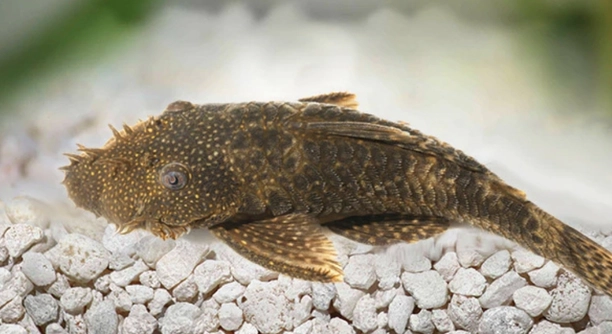
Plecostomus, often known as “plecos,” are popular aquarium fish known for their algae-eating habits. While they are relatively low-maintenance, creating a dynamic and enriching environment for them is important for their well-being and long-term health.
Enhancing a plecostomus tank involves incorporating natural elements such as plants, rocks, caves, and other decor that mimic their native habitat. Adding these elements provides hiding spaces, encourages natural behaviors, and creates a more comfortable environment for your pleco.
By adding various decorations and features, you can help promote the overall health and happiness of your pleco. It’s a great way to enrich their habitat and ensure a thriving aquatic environment.
Providing Hiding Spots
Plecos are shy creatures that enjoy hiding, especially during the day. They need secluded spaces to feel safe and reduce stress. Creating hiding spots in their tank is essential for their well-being. You can use caves, large rocks, or specially designed aquarium decor to provide these spaces. These hiding spots mimic the pleco’s natural habitat, where they would seek shelter in crevices and caves. Be sure to create multiple hiding places to avoid any territorial disputes between your plecos and other fish in the tank. It’s also important to consider the size of the hiding spaces; plecos grow large, so they need enough room to move around comfortably. Adding plants near these areas can also make them more inviting for your pleco, offering a sense of privacy. These simple adjustments will help reduce stress and improve the overall environment for your plecostomus.
Hiding spots in a tank help plecos feel secure, reducing stress. Use caves, rocks, or plants to create these safe spaces. Make sure the hiding places are large enough to accommodate your pleco’s size and needs.
Hiding spots do more than just provide shelter—they help promote natural behavior. Plecos often search for hiding spots to rest or avoid being disturbed. Without these areas, they may feel exposed and stressed. It’s crucial to offer a variety of hiding spots throughout the tank to create a more natural, less stressful environment. The more secluded spots available, the better. Even if your pleco is alone, providing these spaces can help them feel more at ease and active when exploring the tank.
Adding Driftwood
Driftwood is a great addition to a pleco tank. These fish love to graze on it, as it adds natural food sources and texture. Besides being a natural food option, driftwood helps lower the pH of the water, which is beneficial for plecos. Over time, driftwood releases tannins that can color the water, making it more similar to their natural environment. This mimicry can help them feel more comfortable and secure.
Driftwood also provides plecos with another hiding spot, as they love to wedge themselves between the wood. Over time, plecos will use driftwood as a surface to graze on and even hide in, creating a multi-functional feature in your tank. Ensure the wood is properly treated before placing it in your tank to prevent contamination.
Driftwood is not just an aesthetic feature—it benefits your plecos in several ways. By providing natural shelter and food sources, driftwood enhances the overall tank setup. It’s important to ensure that the driftwood you use is aquarium-safe and free from chemicals or contaminants. When selecting driftwood, look for pieces that are large enough to accommodate the size of your pleco. Additionally, driftwood can promote good water quality by helping to stabilize the pH levels, benefiting not just the plecos but all the tank’s inhabitants.
Adding Live Plants
Live plants are a great way to enrich your pleco’s tank. They help oxygenate the water and provide a more natural environment. Plecos love to graze on the algae that grow on plant leaves, adding extra benefits for both the tank and the fish. You can choose from a variety of plants such as Anubias, Java fern, or Amazon sword. These plants are easy to care for and thrive in similar water conditions to those that plecos prefer. They also create more hiding spots and improve water quality by absorbing excess nutrients.
In addition to offering natural grazing opportunities, live plants also give plecos places to hide and explore. Some plants have broad, flat leaves, which plecos will appreciate for resting or hiding under. Plants such as Anubias are hardy and will continue to grow even with minimal light, making them a practical choice for pleco tanks. The more varied the plant life, the more your pleco will be able to interact with its environment. This enriches their behavior and helps simulate the environment they would have in the wild.
Live plants also help keep the water clean by naturally filtering out waste and excess nutrients. Plecos can benefit from this as it creates a cleaner, healthier environment for them to live in. The plants’ roots act as a natural filter, trapping toxins and reducing algae growth, which can otherwise build up quickly in a tank with a pleco. With the added oxygenation that plants provide, your pleco will have a more comfortable and healthier home.
Offering a Variety of Foods
While plecos are mostly herbivores, offering them a variety of foods will ensure they get all the nutrients they need. Algae wafers, blanched vegetables, and occasional protein sources like shrimp can keep your pleco healthy and active. Providing different types of food also keeps them engaged and reduces boredom. Plecos enjoy sinking algae wafers, but adding fresh veggies like zucchini, cucumber, and spinach will give them more variety and a natural diet. It’s important to remove any uneaten food after a few hours to prevent water quality issues.
By offering a variety of foods, you can ensure that your pleco’s diet is balanced. A mix of algae-based foods and vegetables will provide the fiber and nutrients plecos need. Plecos also enjoy some animal protein, so occasional shrimp or other small protein-rich foods can be beneficial for their health. When preparing fresh vegetables for your pleco, make sure to blanch them to soften them up, as plecos prefer soft food they can easily nibble on. A well-rounded diet will help your pleco grow strong and healthy.
A varied diet also encourages plecos to explore their tank more. By adding different foods throughout the week, you create opportunities for them to graze and root around the tank. This activity helps them maintain a healthy weight and stimulates natural behaviors. It’s important to monitor your pleco’s feeding habits and adjust the variety based on what they prefer, making sure to maintain a consistent feeding routine. The key is moderation and balance, ensuring your pleco gets the right nutrients without overfeeding.
Maintaining Proper Water Conditions
Maintaining proper water conditions is crucial for pleco health. They thrive in stable water parameters, including a temperature range of 72-82°F, a pH level between 6.5 and 7.5, and water hardness of 4-10 dGH. Regular water changes and monitoring water quality help prevent disease and stress.
Consistently testing the water helps you track these parameters and make adjustments as needed. Using a high-quality water conditioner is essential when changing water, as it neutralizes chlorine and chloramine. Additionally, make sure your filtration system is working properly to keep the water clean and oxygenated. Proper water conditions are the foundation for a thriving pleco tank.
A stable and clean environment reduces stress and prevents health problems. Plecos are sensitive to water fluctuations, so keeping parameters consistent is key to their well-being. Regular maintenance, like water changes and filter cleaning, ensures that your pleco’s tank stays healthy and stress-free.
Avoiding Overcrowding
Overcrowding in a pleco tank can lead to stress, aggression, and poor water quality. Plecos need enough space to grow and establish their own territories. A well-planned tank size with appropriate stocking is important to avoid overcrowding.
When planning your tank setup, consider the adult size of your pleco and the needs of other fish species. Each pleco needs a lot of space, so providing a larger tank can help avoid territorial disputes. Overcrowding can stress out your pleco, leading to health issues, so always be mindful of the number of fish in your tank.
Providing Proper Lighting
Plecos are nocturnal, so they do not require intense lighting. A light cycle of 8-10 hours per day is sufficient to mimic natural conditions. Avoid bright lights or placing the tank in direct sunlight, as it can cause algae overgrowth.
The right lighting also helps regulate your pleco’s behavior. Too much light can stress them out, as they prefer dimmer environments where they feel secure. Gentle, low-intensity lights mimic their natural habitat and promote a more comfortable setting for both the pleco and other tank inhabitants.
FAQ
How often should I feed my pleco?
Feeding your pleco 2-3 times a week is ideal. Overfeeding can lead to water quality issues and obesity, so it’s important to provide only what they can eat in a few hours. Offering a variety of foods, including algae wafers, fresh veggies, and occasional protein like shrimp, is recommended. Make sure to remove any uneaten food after a few hours to avoid it decomposing and affecting the water quality. Plecos are slow eaters, so offering small amounts each time ensures they get the nutrients they need without overfeeding.
What size tank do plecos need?
Plecos require large tanks due to their size and activity level. A 75-gallon tank is a minimum for a single adult pleco. Larger tanks provide more space for your pleco to swim and explore, which reduces stress and promotes better health. If you plan to keep multiple plecos, you will need a larger tank to ensure each fish has its own space. Providing a spacious environment also reduces the risk of territorial disputes, which can lead to aggression or stress.
Can I keep multiple plecos together?
Yes, but with some considerations. Plecos can sometimes be territorial, especially if the tank is too small. When keeping multiple plecos, it’s best to provide plenty of hiding spots and space for each fish to claim its territory. You can also choose peaceful species, like the Bristlenose pleco, to reduce aggression. Ensure the tank is large enough, as overcrowding can lead to stress and conflicts. Watch for signs of aggression and be prepared to separate them if necessary.
Do plecos need a filter?
Yes, plecos need a good filtration system to maintain water quality. They produce waste that can quickly pollute the tank, making it essential to have a filter to keep the water clean and well-oxygenated. A filter also helps reduce the buildup of harmful toxins and waste. Make sure the filter you use is rated for the size of your tank and can handle the amount of waste plecos produce. Regularly cleaning and maintaining the filter ensures the health of your pleco and other tank inhabitants.
What is the best substrate for a pleco tank?
A fine gravel or sand substrate is ideal for plecos. Sand mimics their natural habitat, where they sift through the substrate for food, and it is gentle on their delicate barbels. Gravel is also fine as long as the pieces are not too sharp, as this can harm your pleco. Both substrates allow for easy cleaning and don’t trap debris as much as larger rocks or pebbles. It’s important to avoid sharp materials that could injure the pleco, especially as they are bottom dwellers and spend a lot of time near the substrate.
Can plecos live with other fish?
Plecos are generally peaceful and can live with most fish species. However, some fish may become aggressive towards them or invade their space. Avoid keeping plecos with overly territorial fish or those that may nip at their barbels. It’s best to choose peaceful tank mates, such as tetras or mollies, to ensure a harmonious environment. Plecos also tend to stay on the bottom of the tank, so it’s important to consider the behavior of other bottom-dwelling fish. As long as you monitor their interactions and space, plecos can live peacefully with many other species.
Why is my pleco staying at the surface of the water?
If your pleco is staying at the surface, it may indicate an issue with water quality or oxygen levels. Plecos prefer swimming at the bottom of the tank, and if they are at the surface, they might be struggling to get enough oxygen or are trying to escape poor water conditions. Check the water parameters, including oxygen levels, pH, and temperature. If everything seems normal, consider adding more aeration or improving the filtration system. Make sure your pleco has plenty of hiding spots and isn’t feeling stressed by other tank inhabitants.
How can I tell if my pleco is stressed?
Stress in plecos can manifest in several ways. Common signs include excessive hiding, decreased activity, a loss of appetite, and faded coloration. If your pleco is constantly hiding or not feeding, it may be stressed due to poor water conditions, overcrowding, or incompatible tank mates. Physical signs such as clamped fins or rapid gill movement may also indicate stress. Regularly monitoring water parameters, reducing aggression from other fish, and ensuring proper hiding spots can help alleviate stress. If symptoms persist, consider adjusting the tank setup or consulting an expert.
How long do plecos live?
Plecos have long lifespans, with many species living between 10 to 15 years when cared for properly. Some species, like the common pleco, can even live up to 20 years in an optimal environment. Proper tank maintenance, a balanced diet, and stable water conditions are crucial for promoting a long and healthy life. Providing adequate space and reducing stress factors will also help ensure your pleco thrives throughout its life. Regular monitoring of their health and making adjustments to their habitat can significantly extend their lifespan.
Do plecos need a heater?
Yes, plecos need a heater to maintain stable water temperatures, as they are tropical fish. The ideal temperature range for plecos is between 72°F and 82°F. If the temperature fluctuates too much, your pleco may become stressed or susceptible to illness. A reliable heater helps keep the water within this range, ensuring your pleco stays healthy. Be sure to regularly check the heater and use a thermometer to ensure the temperature remains consistent. Avoid placing the heater in areas with strong water currents, as it can affect the water temperature unevenly throughout the tank.
Final Thoughts
Creating a healthy and enriching environment for your plecostomus is essential for its well-being. Plecos are relatively low-maintenance fish, but they still require a proper tank setup to thrive. By providing enough space, clean water, hiding spots, and a varied diet, you can help your pleco feel comfortable and stay healthy. While plecos are hardy, they are also sensitive to changes in their environment, so maintaining stable water conditions and avoiding overcrowding are crucial. A good filtration system is also necessary to keep the water clean and oxygenated, ensuring your pleco remains active and healthy.
Adding natural elements like driftwood and live plants can greatly enhance your pleco’s habitat. These additions mimic their natural environment, giving them places to hide, explore, and graze. Driftwood not only provides a surface for your pleco to feed on but also helps lower the pH of the water, which plecos prefer. Live plants not only help keep the water clean but also provide your pleco with a more natural environment to interact with. They offer hiding spots and help oxygenate the tank, creating a more comfortable space for your pleco to thrive in.
Finally, regular monitoring of your pleco’s health and water quality is key. Check the water parameters often, maintain the filter, and provide food that suits their diet. Stress can be harmful to plecos, so avoid overcrowding, make sure they have plenty of hiding spots, and provide a peaceful environment with compatible tank mates. With the right care, your pleco can live a long, healthy life, bringing beauty and balance to your aquarium.

Hello,
If you enjoy the content that we create, please consider saying a "Thank You!" by leaving a tip.
Every little bit helps us continue crafting quality advice that supports the health, happiness, and well-being of pets around the world, for pets of all shapes, sizes, and species.
We really appreciate the kindness and support that you show us!