
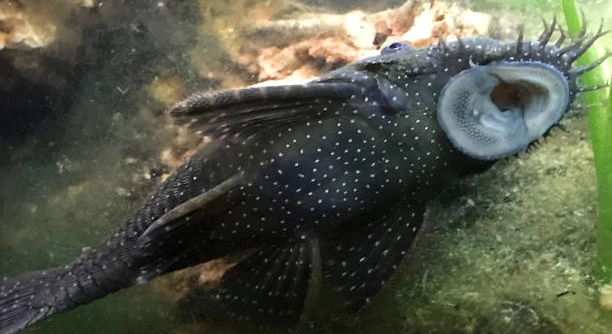
Adjusting to a new environment can be a significant challenge for your pleco. Identifying the signs of a successful transition can help ensure its long-term health and comfort. Observing these signs will give you confidence in its well-being.
When your pleco is adjusting well, you will notice increased activity, healthy eating habits, and a stable position in the aquarium. It will begin to explore its surroundings and show natural behaviors, signaling it has adapted to its environment.
Recognizing these signs early can help maintain your pleco’s health.
Increased Activity and Exploration
One of the first signs that your pleco is adjusting well is increased activity. If it has been hiding or staying in one spot, it may start swimming around the tank. This behavior shows that it feels secure in its new environment and is comfortable enough to explore. Plecos are naturally curious and active creatures, and their ability to move around freely is a good indicator of adjustment.
As your pleco explores, you may notice it moving around the substrate, searching for food, or hiding in caves or crevices. These actions are completely normal and reflect its efforts to find a suitable home within your tank.
Maintaining a clean and well-decorated aquarium can encourage this kind of behavior. Plecos often look for shelter, so adding rocks, plants, or other structures can help them feel more at ease. Offering a variety of hiding spots also allows your pleco to establish its own safe space within the tank, fostering both physical and mental well-being.
Healthy Eating Habits
Another key sign of adjustment is healthy eating. A pleco that is acclimating well will begin to show interest in food. This might mean it’s eating algae wafers, sinking pellets, or vegetables you’ve provided. You may also notice it cleaning surfaces of the tank, grazing on algae.
Consistent and balanced nutrition plays a significant role in a pleco’s health and behavior. If your pleco is eating regularly and seems satisfied after meals, it’s likely a sign it is adapting to its new environment. The combination of a stable diet and active behavior supports overall well-being.
Stable Position in the Aquarium
A pleco that is adjusting well will start to establish a stable position in the tank. It might cling to rocks or driftwood, resting in places where it feels safe. This position helps it stay calm and feel secure. If it moves from its resting spot to feed or explore, it shows that it is comfortable.
This behavior is typical as plecos naturally seek hiding spots and places where they can rest without being disturbed. They use these spots to conserve energy, especially when they are not actively feeding. In a well-established environment, your pleco will feel more secure and less stressed, which leads to this kind of behavior.
Creating a stable environment with places for your pleco to rest helps support this. Consider adding caves or structures that mimic natural hiding spots, allowing your pleco to find comfort and security without being overwhelmed by the aquarium’s activity.
Bright and Clear Eyes
Healthy plecos will show clear, bright eyes, an indication that they are adjusting well. If your pleco’s eyes appear cloudy or dull, it might be a sign of stress or illness. The eyes of an acclimating pleco should reflect the surrounding light, appearing vibrant and alert.
This clarity can be a helpful sign when observing your pleco’s overall health. Plecos are known for their keen eyesight, especially in low-light conditions. Their eyes will also show responsiveness, as they will react to movements or changes within their environment. Monitoring your pleco’s eye condition ensures it is adapting to both the water and tank setup. If you notice any changes, it’s essential to act quickly to maintain its health.
Eating at a Regular Pace
Once your pleco starts eating at a regular pace, it’s a sign of a successful adjustment. If it initially hesitated around food or didn’t eat much, this change indicates comfort. A pleco that eats consistently will show it’s settling in well.
Regular feeding sessions will become part of its daily routine as it becomes more familiar with its environment. This behavior is important because a pleco that feels safe and secure will actively seek out food. It helps to offer a variety of food options, including algae wafers or vegetables, to keep your pleco satisfied and healthy.
Increased Social Interaction
Although plecos are often solitary, an adjusting pleco may become more social with tankmates. It may interact with other fish, showing curiosity or occasionally sharing space. Social behavior is typically seen when a pleco feels comfortable and is no longer hiding in fear.
In some cases, plecos may even approach the surface or move alongside other fish. This shows that they feel secure in their surroundings and are adjusting to the dynamics of the tank. Creating a peaceful environment with minimal disturbances will encourage this behavior, leading to better overall health.
FAQ
What should I do if my pleco is not eating?
If your pleco is not eating, there could be several reasons for this. It might be adjusting to a new environment, experiencing stress, or facing water quality issues. First, check the water parameters like temperature, pH, and ammonia levels. A pleco may also refuse food if the tank is overcrowded or the environment is too noisy. Ensuring your pleco has a quiet, stable environment can help it feel secure enough to eat. Additionally, offer a variety of foods, such as algae wafers, vegetables, and sinking pellets. If the issue persists, consider consulting an expert.
How can I tell if my pleco is stressed?
Signs of stress in a pleco include hiding frequently, staying in one position for long periods, or showing unresponsiveness. It might also exhibit erratic swimming, rubbing its body against objects, or displaying abnormal behavior. Stress can be caused by poor water quality, sudden changes in the environment, or aggressive tankmates. Ensuring a stable environment with proper water conditions, adequate hiding spots, and compatible tankmates can reduce stress levels. If these signs persist, it’s important to assess your tank setup and make adjustments to create a more comfortable space for your pleco.
Why is my pleco constantly hiding?
Plecos are nocturnal and often hide during the day to feel secure. However, if your pleco is constantly hiding, it may be a sign of stress or discomfort. Check if your pleco has enough places to hide and feel safe. Excessive hiding can also indicate poor water quality or aggressive tankmates. Make sure the tank has proper filtration, stable water conditions, and enough hiding spots to help your pleco feel secure. If the behavior continues despite these adjustments, it may be a good idea to check for signs of illness or stress.
How often should I feed my pleco?
Feeding frequency depends on the age and size of your pleco. Young plecos require feeding more often, typically once or twice a day. Adult plecos, however, can be fed every two to three days. Plecos are primarily herbivores and thrive on a diet of algae, vegetables, and sinking pellets. Be sure to feed a variety of foods, including spinach, zucchini, and algae wafers. Overfeeding can lead to water quality problems, so always remove any uneaten food within a few hours.
Can I keep multiple plecos in the same tank?
While plecos are generally peaceful, keeping multiple plecos in the same tank requires caution. Plecos can become territorial, especially when it comes to food and resting spots. It’s best to keep a single pleco per tank unless the tank is large enough to provide plenty of hiding spaces and territory. In larger tanks, multiple plecos can coexist if there is enough room and hiding spots for each pleco to claim as its own. Be mindful of their behavior and ensure that tankmates are compatible with plecos.
Why is my pleco scraping the glass?
Plecos are known for grazing on surfaces, especially glass, in search of algae. Scraping the glass is a normal behavior as they feed on algae or biofilm. If your pleco is constantly scraping, it might be because there is not enough natural algae in the tank. In such cases, provide algae wafers or other appropriate food. Regular glass cleaning may also be necessary to avoid excessive buildup. If your pleco is scraping excessively and not feeding on other foods, it could indicate that it’s not getting enough nutrition from the tank’s environment.
How do I create the ideal environment for my pleco?
To create the best environment for your pleco, ensure the tank is large enough—at least 30 gallons for most species. Provide plenty of hiding places, such as caves or driftwood, as plecos like to have secluded areas. Keep the water clean and well-filtered, as plecos produce a lot of waste. Maintain a stable temperature (usually between 74°F and 80°F) and monitor the pH, ensuring it’s within the recommended range for your specific pleco species. A peaceful tank with compatible tankmates will also reduce stress and allow your pleco to thrive.
Is it normal for my pleco to change color?
Plecos can change color slightly, especially during different stages of their life or when adjusting to new conditions. For example, younger plecos often have brighter colors than adults. Changes in color can also be a sign of stress, illness, or changes in water quality. If your pleco’s color is changing dramatically, check the water quality, temperature, and overall health of the tank. If the color change persists or is accompanied by other signs of illness, consult an expert or veterinarian to rule out health issues.
How long do plecos live?
The lifespan of a pleco varies depending on the species and its care. On average, most plecos can live anywhere from 10 to 15 years. However, some species, like the common pleco, can live up to 20 years or more if cared for properly. To ensure a long life, maintain a stable environment, provide a balanced diet, and monitor water conditions. Regular tank maintenance, such as cleaning the substrate and changing the water, will help support a healthy and long life for your pleco.
Can plecos live with other fish?
Plecos can generally live with other peaceful fish, as they are not aggressive by nature. However, it’s important to choose tankmates carefully. Avoid species that may bully the pleco or compete for food. Plecos are bottom dwellers, so they tend to stick to the lower areas of the tank, which means they can peacefully coexist with mid and top-dwelling fish. It’s essential to monitor interactions and make adjustments if needed. Also, ensure that the tank has enough space and hiding spots for all inhabitants.
What are the signs of illness in a pleco?
Signs of illness in a pleco include abnormal swimming patterns, lack of appetite, or changes in behavior. If your pleco is swimming erratically, scraping its body against objects, or spending excessive time near the surface, it might be unwell. Other signs include white spots or lesions on the skin, cloudy eyes, or swelling. Illness can be caused by poor water quality, stress, or infections. If you notice any of these symptoms, it’s important to check the water quality, isolate the pleco if necessary, and consult a professional for treatment options.
Final Thoughts
Understanding the signs that your pleco is adjusting well is crucial for ensuring its health and comfort in its new environment. When a pleco eats regularly, becomes more social, and shows less stress, these are clear indicators that it’s becoming comfortable in its tank. A pleco that adjusts well will also start to interact more with its environment, exploring different areas of the tank and possibly even sharing space with other fish. It’s important to remember that plecos, like many other fish, take time to adapt, especially when moving to a new tank. Patience is key during this period of adjustment.
Creating a stable, peaceful environment for your pleco is essential. Regular water changes, monitoring temperature and pH, and ensuring there are plenty of hiding spots for your pleco can all contribute to a smoother transition. A pleco needs a consistent routine and a proper diet to thrive, which includes providing a variety of food options such as algae wafers and fresh vegetables. Maintaining a healthy tank environment is not only beneficial for your pleco but also for the other fish in the tank. When the water quality is good and the environment is stress-free, your pleco will have the best chance to adjust quickly and thrive in its new home.
Lastly, keep in mind that every pleco is unique, and the adjustment process can vary. Some plecos may take longer to get comfortable, while others may show signs of adjustment much sooner. By monitoring your pleco’s behavior, providing the right care, and adjusting the tank as needed, you can ensure that your pleco remains healthy and happy. If you ever notice signs of stress or illness, it’s important to address the issue promptly to prevent any further complications. With the right attention and care, your pleco will be able to live a long and healthy life in its new home.

Hello,
If you enjoy the content that we create, please consider saying a "Thank You!" by leaving a tip.
Every little bit helps us continue crafting quality advice that supports the health, happiness, and well-being of pets around the world, for pets of all shapes, sizes, and species.
We really appreciate the kindness and support that you show us!