
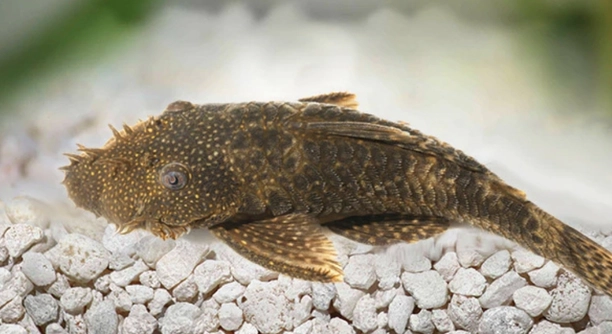
Is your pleco constantly hanging around the water’s surface, making you wonder if something might be off in its tank?
Plecos often skim the surface due to low oxygen levels, poor water quality, or stress. This behavior may signal underlying environmental issues that need prompt attention to ensure your pleco’s health and comfort.
Recognizing these signs early can help you make the right changes and create a more stable and healthy aquarium environment.
Common Reasons Your Pleco Is Skimming the Surface
Plecos skimming the surface is often a response to low oxygen levels. Poor aeration or warm water can reduce dissolved oxygen, making it hard for your pleco to breathe. Surface skimming may also signal stress caused by overcrowding, poor water parameters, or sudden changes in the tank environment. In tanks without enough surface agitation, oxygen exchange drops, pushing bottom-dwellers like plecos toward the top. It’s also possible that ammonia or nitrite levels are spiking, which affects water quality and forces fish to seek relief near the surface. Checking for signs like rapid gill movement or sluggish behavior can help confirm if your pleco is under stress. Equipment failure, such as a broken filter or air pump, may also be contributing. Identifying and correcting these problems early prevents further health issues and helps maintain a balanced aquarium where your pleco can thrive at the bottom as it normally would.
Look for surface skimming paired with erratic swimming or lack of appetite. These may suggest something more serious.
Addressing poor aeration usually starts with increasing surface agitation. Using air stones, sponge filters, or adjusting the flow of your filter can help. Also, keeping your tank’s temperature within the right range prevents oxygen levels from dropping too low. Warmer water holds less oxygen, and plecos feel this change quickly. Test your tank regularly for ammonia, nitrites, and nitrates to maintain water safety. If any levels are off, perform a partial water change and use water conditioners as needed. Consistent tank maintenance, including cleaning filters and monitoring stocking levels, ensures a healthier space. Avoid overfeeding, which can worsen water quality and add to the stress. When all systems are functioning and water parameters are steady, your pleco will be more relaxed and spend its time exploring the bottom instead of hanging near the surface.
When Surface Skimming Might Be Normal
In rare cases, surface skimming may be normal, especially if your pleco is exploring or eating surface debris.
Some plecos occasionally skim the top out of curiosity or while adjusting to a new tank. This can happen during feeding time or when the tank has floating food. Juvenile plecos might show this behavior more often as they are still getting used to their environment. However, this should not be a frequent habit. If your pleco is healthy, shows good appetite, and has no other signs of stress, occasional surface activity may not be a reason to worry. Still, it’s important to observe patterns. If surface skimming becomes consistent, it likely points to an underlying problem. Regular monitoring of water quality, equipment, and fish behavior helps you stay ahead of any issues. Creating shaded areas, adding driftwood, and providing a proper diet also support natural pleco behavior and reduce unnecessary surface visits.
How to Improve Oxygen Levels in Your Tank
Increasing oxygen starts with surface movement. Adding air stones or adjusting your filter output helps promote gas exchange. Make sure your tank isn’t overcrowded and that plants or decorations aren’t blocking water flow.
If your pleco keeps skimming despite no visible problems, focus on improving oxygen consistently. Use sponge filters or increase the surface agitation by pointing your filter outlet toward the surface. Avoid using tight-fitting lids that trap heat and limit gas exchange. Warmer temperatures reduce dissolved oxygen, so keep the water between 72–78°F for most plecos. Live plants like anubias or java fern can assist, especially if your tank gets natural light. However, too many plants without proper lighting can use up oxygen at night. Ensure your aquarium lights follow a proper schedule. Maintaining a stable environment through regular water changes and keeping your equipment clean also prevents issues that can lower oxygen levels.
Try not to rely solely on one solution. Combining small improvements creates a more breathable environment for your pleco. Clean clogged filters and remove any buildup on the tank’s surface, which can block oxygen exchange. You can also raise the water level slightly if your filter outlet is splashing too much, as excess turbulence may stress fish. Use an aquarium thermometer to monitor temperature changes during the day. If the tank is near a window or heating vent, small fluctuations could cause noticeable drops in oxygen levels. By staying consistent with these changes, your pleco should become more relaxed and active at the bottom where it feels most comfortable.
Water Quality Factors That Affect Pleco Behavior
Poor water quality can lead to surface skimming and other stress-related behaviors. Ammonia, nitrite, and nitrate levels should always be within safe ranges to keep your pleco healthy and comfortable.
Start by testing your water at least once a week, especially if you notice behavioral changes. Use a reliable test kit to monitor ammonia, nitrite, nitrate, and pH levels. Ammonia and nitrites should always be at 0 ppm, while nitrates should be kept below 40 ppm. If your tank is heavily stocked or you feed frequently, your levels may spike faster. Perform partial water changes of 25–30% weekly to control buildup. Avoid overfeeding, as uneaten food quickly turns into waste. Clean substrate with a gravel vacuum to remove trapped debris. Rinse your filter media in tank water to keep beneficial bacteria intact. These basic steps help your pleco feel safe and reduce its need to escape toward the surface.
Feeding Habits and Their Impact
Feeding floating food can sometimes cause plecos to rise to the surface. Although they are bottom-feeders, they may still respond to food smells above. Uneaten food also affects water quality, increasing the chance of surface skimming.
Offer sinking wafers or blanched vegetables like zucchini to support natural feeding behavior. Avoid overfeeding to keep the tank clean.
Tank Mates and Stress Factors
Aggressive or fast-swimming tank mates can disturb plecos, causing them to act differently. If your pleco doesn’t have enough hiding spots, it may feel unsafe and start skimming. Stress can also come from constant chasing or crowding. Rearranging the tank or removing certain fish can help.
Lighting and Day-Night Cycles
Bright lighting or inconsistent lighting schedules may disrupt your pleco’s activity. Keeping a regular light cycle and offering shaded areas in the tank can reduce stress and improve bottom-dwelling behavior.
FAQ
Why is my pleco staying at the top of the tank all of a sudden?
A sudden change in behavior like staying near the surface usually points to water quality issues or low oxygen. Check your filter, test the water, and make sure nothing is blocking airflow or circulation. Warmer water holds less oxygen, so if your heater raised the temperature, that might be part of the issue. Add an air stone or adjust the filter to increase surface movement. These changes can quickly help your pleco return to the bottom.
Is it normal for plecos to breathe at the surface sometimes?
Occasional visits to the surface aren’t always a concern. Plecos can take in small amounts of air when oxygen is low or during temporary stress. However, if it becomes a daily habit or lasts more than a few days, something in the tank environment is likely off. Review your oxygen levels, temperature, and ammonia readings to rule out any problems.
Can poor diet cause surface-skimming behavior?
Yes, a poor diet can contribute to unusual activity. If your pleco isn’t getting enough nutrition, it may start seeking food wherever it smells it, including near the surface. Sinking foods are best for plecos. Try algae wafers, bottom-feeder tablets, or blanched vegetables like cucumber and green beans. Avoid floating pellets that draw them upward unnecessarily.
Do plecos need high oxygen levels compared to other fish?
Plecos are hardy but still need stable oxygen levels. They have strong gill systems, but if the tank is poorly ventilated, they’ll struggle like any other fish. Keeping a clean tank, using a good filter, and managing temperature will help avoid problems. Surface movement is essential, especially in warmer setups or crowded tanks.
What temperature range is best to avoid surface-skimming in plecos?
Most plecos are comfortable between 72–78°F. If it goes above that, oxygen levels drop, and your pleco might stay near the surface. Use a thermometer to monitor the tank daily. Avoid placing the aquarium near heat sources like windows, radiators, or lamps that can raise the water temperature.
Could my pleco be sick if it’s skimming the surface?
If your pleco also shows signs like rapid breathing, faded color, lack of appetite, or clamped fins, illness might be involved. Surface skimming alone isn’t always a sign of sickness, but if it’s paired with other symptoms, quarantine and further observation may be needed. Test the water and look for signs of parasites or infections.
Are certain pleco species more likely to skim the surface?
Some species, like the common pleco, grow quite large and need more space and oxygen. If they’re in a small tank or with limited airflow, they might head toward the surface more often. Smaller species like bristlenose plecos still need good water conditions but may show fewer issues if their space needs are met.
Can stress from tank mates cause surface-skimming?
Yes, especially if your pleco is being chased, crowded, or doesn’t have hiding places. Constant stress forces them to look for safety or relief, which sometimes leads to surface behavior. Add caves, driftwood, or plants where they can retreat and watch how other fish interact with them.
Should I be worried if my pleco only skims at night?
Plecos are nocturnal, so they’re more active when the lights are off. Occasional surface swimming at night isn’t a major issue unless it happens consistently or is paired with signs of distress. Make sure nighttime lighting isn’t too harsh, and the tank remains calm and quiet after dark.
Can a lack of hiding spots cause pleco stress?
Definitely. Plecos need spaces where they can stay hidden and feel secure. Without enough shelter, they may act nervously, swim erratically, or spend time near the surface. Add caves, driftwood, or low plants that create shaded areas. This helps them relax and stay near the bottom where they feel most at home.
Final Thoughts
Plecos are bottom-dwelling fish by nature, so seeing them skim the surface can feel unusual. This behavior often points to something in the tank that needs attention. Most of the time, it relates to low oxygen, poor water conditions, or stress from other fish. A quick response can help prevent health problems. Simple steps like checking water parameters, increasing surface movement, and feeding sinking foods can make a big difference. These fish are hardy, but they still need a stable and well-maintained environment to stay comfortable.
Watching your pleco’s behavior closely helps you catch changes early. If they start acting differently, take a few minutes to check the basics—water temperature, ammonia levels, and oxygen levels. Surface movement from filters or air stones can help keep oxygen high. Also, think about what’s going on in the tank. Fast or aggressive tank mates can cause stress, and too much light or not enough hiding spots can make plecos feel exposed. Fixing these issues supports natural bottom-dwelling behavior and reduces the chance of long-term stress.
Caring for a pleco involves more than just feeding and cleaning. It means creating a space where they feel safe, can breathe easily, and act naturally. This includes offering proper food, adding shelter, and making sure the tank conditions stay stable. Even small details—like the direction of water flow or type of decor—can impact how your pleco behaves. Surface skimming is not always a reason to panic, but it should never be ignored. A few adjustments can go a long way in helping your pleco feel at home again.

Hello,
If you enjoy the content that we create, please consider saying a "Thank You!" by leaving a tip.
Every little bit helps us continue crafting quality advice that supports the health, happiness, and well-being of pets around the world, for pets of all shapes, sizes, and species.
We really appreciate the kindness and support that you show us!